With the threat of a third indexation threshold being crossed before the end of the year--after the postponement of the July 2022 indexation to April 2023--the convening a new tripartite was quickly agreed between all parties. The aim of the discussions: figuring out if indexation could be postponed yet again--with all the consequences that entails--or finding an alternative.
Prime minister Xavier Bettel (DP) this week already presented the scenarios Luxembourg might face in the following months: in the best case, the 6.4% inflation will fall to 4.4% in 2023--with three automatic wage indexations occurring over a year. In the worst case, inflation soars to 8.5% in 2023, and five automatic salary increases take place over a twelve-month period, heavily impacting the country’s industries.
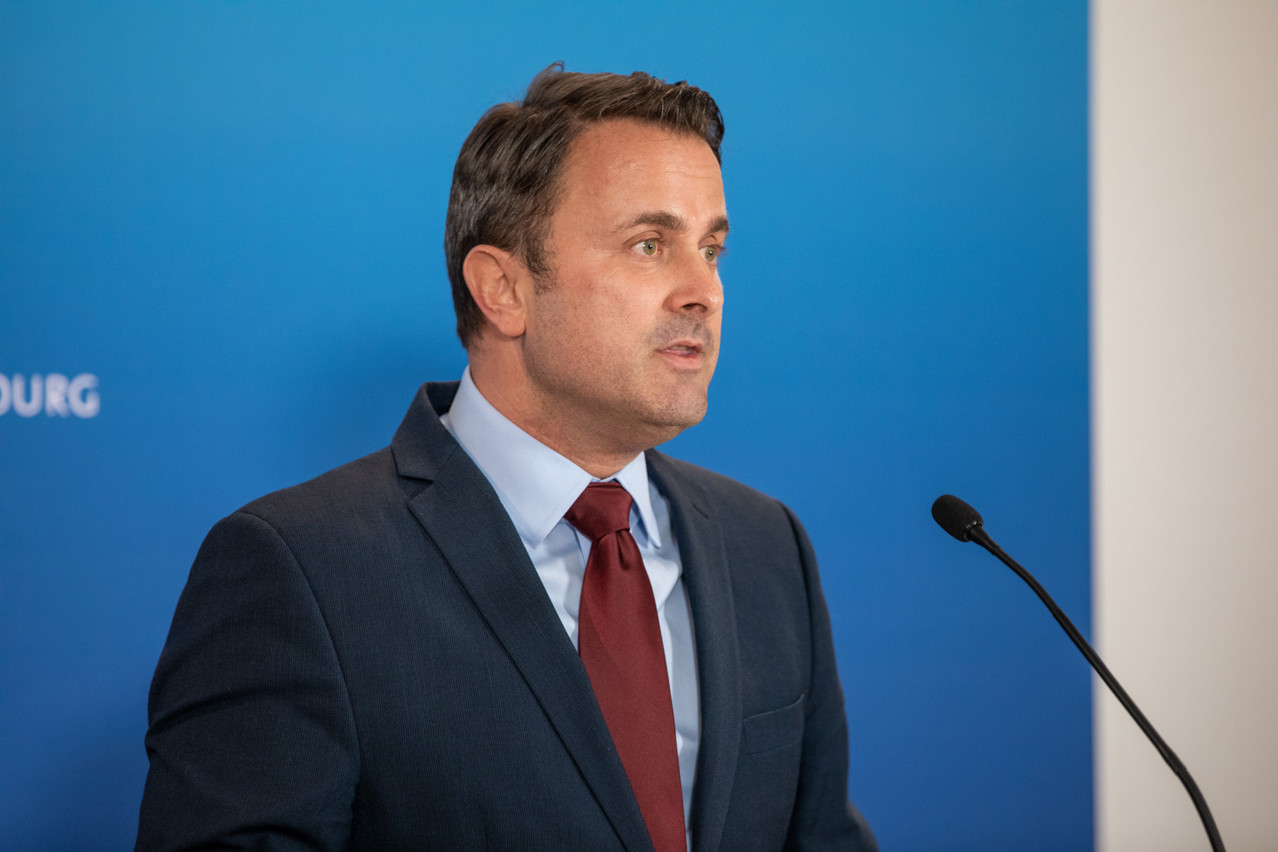
Continuing to postpone the automatic indexation mechanism--as has been the case since April 2022--is no longer a viable solution, Bettel said during a press conference following bilateral discussions with all actors of the tripartite.
Decisions will have to be taken with the council of finance minister Yuriko Backes (DP) too, who hinted that a financial aid package could potential exceed 1% of Luxembourg’s GDP. The government would however not be ready to put the grand duchy’s financial stability, or its precious AAA credit ratings, at risk, as Bettel said.
A united front among labour unions
While not much has been revealed yet about the positions of the different participants convened to the tripartite meeting, the unions have underlined that they would be united as one this time around.
During the last tripartite in April, the government had signed off a package of measures to help consumers keep their purchasing power while protecting businesses, but had done so without the OGBL’s approval. The trade union’s president Nora Back on 14 September told RTL that “the three nationally representative trade unions [OGBL, LCGB, CGFP] will enter the negotiations together, we have prepared together and will lead the negotiations together.” Their loyalty and protectiveness of Luxembourg’s indexation system is however unwavering.
UEL business union head Michel Reckinger reckons the tripartite’s primary aim is to help find a way for everyone to survive the storm, and only then should the question of budget and financing solutions be explored. The Luxembourg commercial confederation CLC has aligned itself with the UEL, saying that businesses could not absorb the shock of three to five indexations, but that a solution would have to be found between all participants.
While the déi Gréng party suggested a €1,000 aid for low-income households--an idea quickly shot down by Bettel--the main opposition party CSV has proposed bringing taxes in line with inflation, reducing them for low and middle incomes and increasing them for very high incomes, as well as increasing the energy bonus and widening its circle of beneficiaries. Martine Hansen, interviewed by Delano’s sister publication Paperjam, said that interfering with automatic indexation again and again would not be an option.
Banking union calls for staggered index
Ahead of the tripartite talks beginning on Sunday, financial sector union Aleba has reiterated its position on the grand duchy’s indexation model. It is calling for an index reform, stating that “a new index bracket in 2022 is essential” and changing the system would help avoid putting it on ice again, “especially for those who need it most.”
The union says it is expecting “long-term decisions” to counter consumers’ loss in purchasing power.
“ALEBA maintains its view that the index should be staggered rather than frozen or delayed, by adapting it to the different salary brackets, so as to guarantee for all, a correct purchasing power on at least the essential expenses,” union president Roberto Mendolia stated in a press release on 15 September.
Ultimately, it will be up to social partners, the industry and the state to take a decision. Should no consensus be found, the government will have to set up a strategy for the winter ahead.
Additional reporting by Mathilde Obert.