The low-interest-rate environment is set to continue shaping the future of life insurance, presenting both challenges and opportunities for the industry.
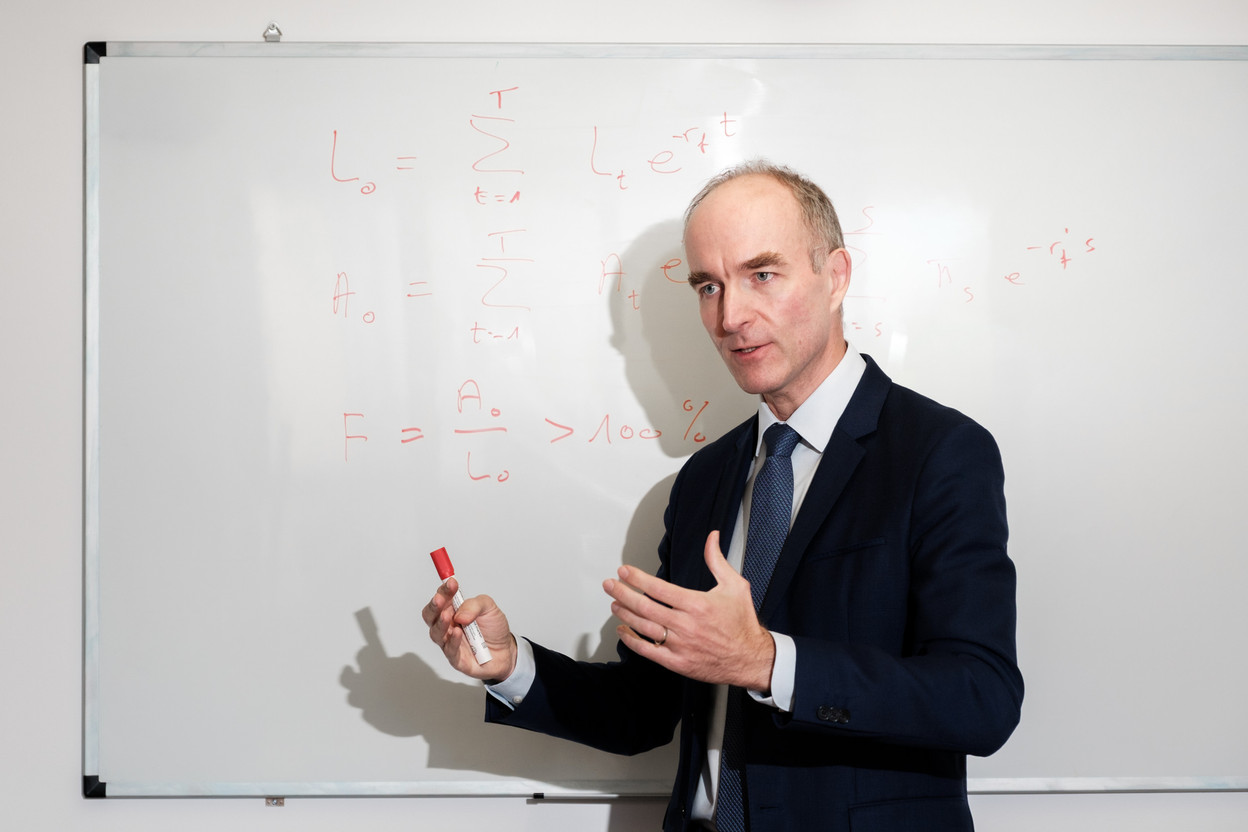
“Twenty years ago, clients did not notice high fees given the higher level of interest rates,” said Joël Wagner, a Luxembourg national and professor of actuarial science at HEC Lausanne. However, he noted that high marketing and sales fees—mainly upfront commissions paid to brokers—are difficult to recover in a low-interest rate environment.
A challenging low-to-negative rate environment pre-covid
He noted that life insurance products offering very low guaranteed rates (e.g., below 1.5%) generally disincentivise clients, as they might prefer standard savings accounts. Yet Wagner noted that even a 0% guaranteed rate held value for some clients (especially in markets that recently experienced negative rates) because it ensures capital stability.
The alternative solution for insurers pre-covid was to shift to unit-linked products (typically in investment funds), transferring investment risk to clients. This allows the client to select funds based on their risk profile and reduces the capital requirements for the insurer and improves its solvency profile.
Looking for expertise and tax deductibility
Wagner explained that for many households, the search for security, simplicity and expert advice will remain paramount. "The most informed investors, with a higher risk appetite, might favour direct investments to capture greater market performance more fully,” he noted.
Life insurance will remain a key pillar for European households, but its offerings will become more flexible and market-linked
However, for the majority, life insurance will continue to be an attractive option, offering a unique combination of long-term savings and protection against risks such as death, disability and other biometric factors.
Offering tax deductibility also makes life insurance products much “sexier” to consumers, according to Wagner. Yet he noted that the tax deduction is only €3,000 in Luxembourg compared to CHF7,000 in Switzerland for employees.
The future of life insurance
“Over the next five to ten years, life insurance will remain a key pillar for European households, but its offerings will become more flexible and market-linked,” said Wagner.
He points to trends over the last decade, especially in Switzerland, where the sustained decline in interest rates and new regulatory constraints have led insurers to reduce guarantees in favour of more market-driven solutions.
A modified version of this article was written for the January 2026 insurance supplement of Paperjam magazine, published on 10 December. The content is produced exclusively for the magazine. It is published on the site to contribute to Paperjam’s comprehensive archive. Click this link to subscribe to the magazine.
Is your company a member of Club Paperjam? You can request a subscription in your name. Let us know via club@paperjam.lu