Appropriately, if dishearteningly, a cyber-attack on the Luxembourg government (French only) last week has nearly coincided with the 16th InCyber Forum, which kicks off in Lille on 26 March. At once a forum, an exhibition and a summit, the event bills itself as “Europe’s leading event for digital security and trust,” and seeks to gather end-users, service providers, governments, local authorities and research bodies in one place.
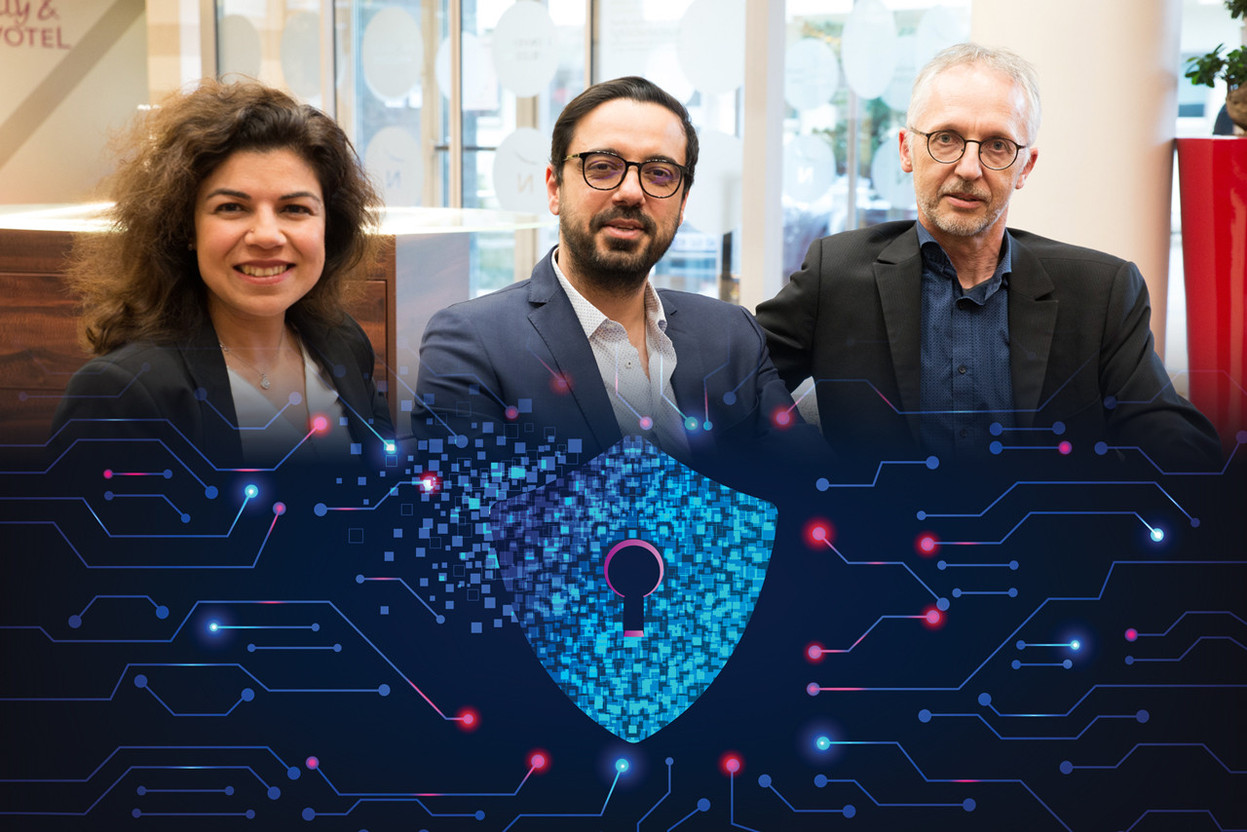
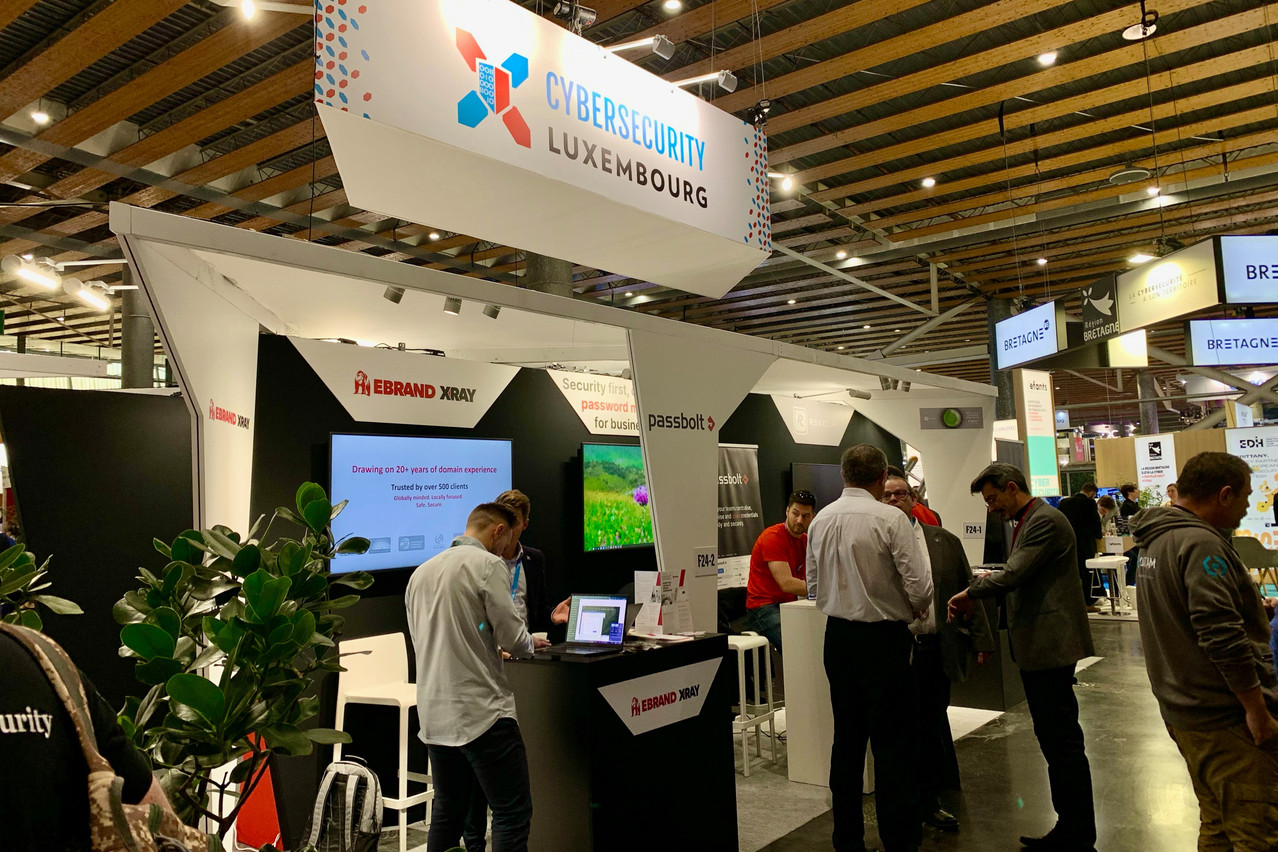
Luxembourg will be taking part for the ninth time this year, under the leadership of the Luxembourg House of Cybersecurity (LHC). Added value for the country? “This forum offers a rare mix of public and private players, a context that is conducive to innovation,” suggests LHC CEO 
On the company/startup side, Cyferall, Ebrand, Examin, Excellium, LuxTrust, MISP, Passbolt, RC Devs and Rsecure/Rcarré will attend from Luxembourg this year. On the institution side, the University of Luxembourg will be there, while the country’s stand is being set up in collaboration with the Chamber of Commerce, the economics ministry, the foreign affairs ministry and Luxinnovation.
Steichen chairs the forum’s European advisory board. His watchwords are collaboration and the exchange of practices--“be they good or bad”--he says. “The aim is to identify the expertise of each player and see how we can pool our strengths. The ambition is also to give some visibility to existing expertise in Europe, to show that solutions are within reach.”
The European institutions responsible for cybersecurity will be well represented, with European internal market commissioner Thierry Breton officially opening the event this year.
International expansion
Originally known as the International Cybersecurity Forum, the event was created in 2007 by Marc Watin-Augouard, a former inspector general of the armed forces in the National Gendarmerie. Initially focused on institutional and military issues, it has broadened to include private players as well. It is now co-organised by CEIS, the Hauts-de-France region and the Lille European Metropolis.
At the beginning of 2023--when it launched a North American edition in Montreal--the event became the InCyber Forum. “This public-private mix is a model that is of interest beyond Europe,” says Steichen.
Focus on AI
This year’s event in Lille will focus on the upheaval in cybersecurity caused by artificial intelligence and the exponential growth of digital data. The pitch: while the widespread use of AI introduces new risks, it also offers revolutionary tools for improving user authentication, data security and threat detection.
Guillaume Tissier, managing director of the InCyber Europe Forum, sums up what is at stake in these discussions: “Many cybersecurity solutions already use artificial intelligence. But this technological revolution is still in its infancy. Collectively, we are going to have to reinvent cybersecurity and, at the same time, change the role of experts so that they are ‘AI ready.’”
The forum will explore pressing issues such as AI scams, the role of AI in the lives of IT security managers, the search for resilient AI for mission-critical systems and the impact of the EU’s Cyber Solidarity Act. It will also look at the potential of AI to democratise cybersecurity for SMEs.
This article was originally published in Paperjam. It has been translated and edited for Delano.