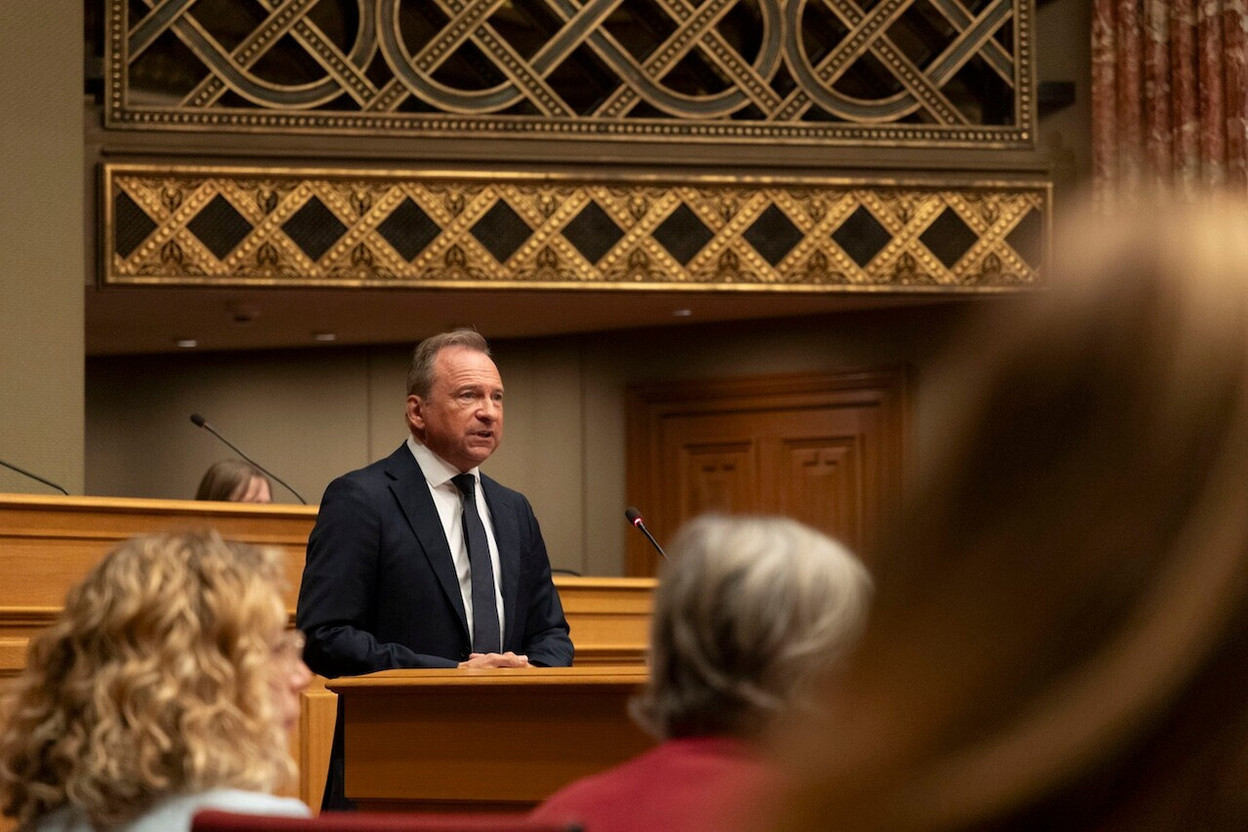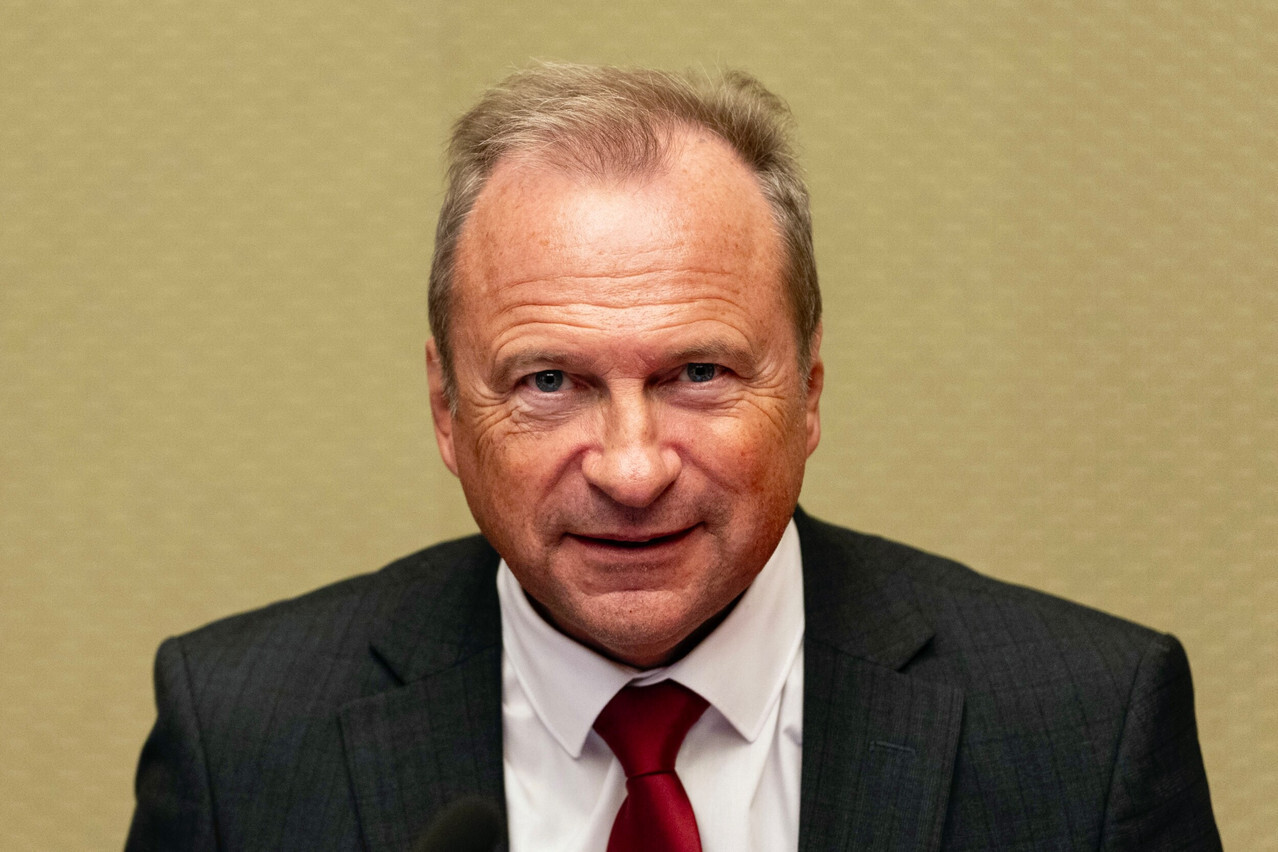
The shift in direction of the Luxembourg Intergenerational Sovereign Wealth Fund (FSIL) is becoming increasingly evident. A few weeks after announcing his €25m commitment to the National Defence Fund, the Minister of Finance, 

When asked about the fund’s performance – which generated a return of 2.61 per cent in 2025, compared with around 6.5 per cent the previous year – the minister focused primarily on the ongoing transformation of the portfolio. Whilst the average return since investments began in 2016 stands at 3.8 per cent per annum, the fund’s structure is set to undergo significant changes.
Having long been dominated by bonds, the portfolio must gradually make more room for shares. Gilles Roth explained that a new investment strategy is now being implemented to boost long-term return potential. Bond exposure will be reduced, whilst the proportion of shares will increase significantly.
Growth sectors
The changes do not stop there. The minister confirmed the rise of alternative investments, particularly in private equity. The fund has already committed €20m to the Luxembourg Future Fund 2, the vehicle managed with the support of the European Investment Fund to finance innovative companies and high-growth sectors. Defence is also a priority area. Gilles Roth reiterated the fund’s commitment to the National Defence Fund, described as a tool designed to identify and support strategic technologies. This focus forms part of a broader strategy that extends beyond the military sector alone.
Speaking to MPs, the minister cited several areas likely to play an increasingly important role in the fund’s strategy, notably cyber security, digital resilience and space technologies. These are all sectors regarded as promising for the coming decades and capable of generating attractive returns whilst addressing strategic challenges. The fund’s exposure to Bitcoin was also discussed. Gilles Roth confirmed the existence of this investment, whilst pointing out that it represents only a marginal portion of the portfolio. Rather than a major financial gamble, this move was intended, in his view, to demonstrate the Luxembourg financial centre’s ability to adapt to new asset classes.
The responsible investment criteria introduced in 2020 were also defended by the minister. He considered that they had not adversely affected the fund’s performance and that they remained compatible with the pursuit of long-term returns. A trend has emerged from the responses provided over recent weeks. The Luxembourg sovereign wealth fund is gradually moving away from a predominantly defensive strategy based on bonds to become a more proactive investor.