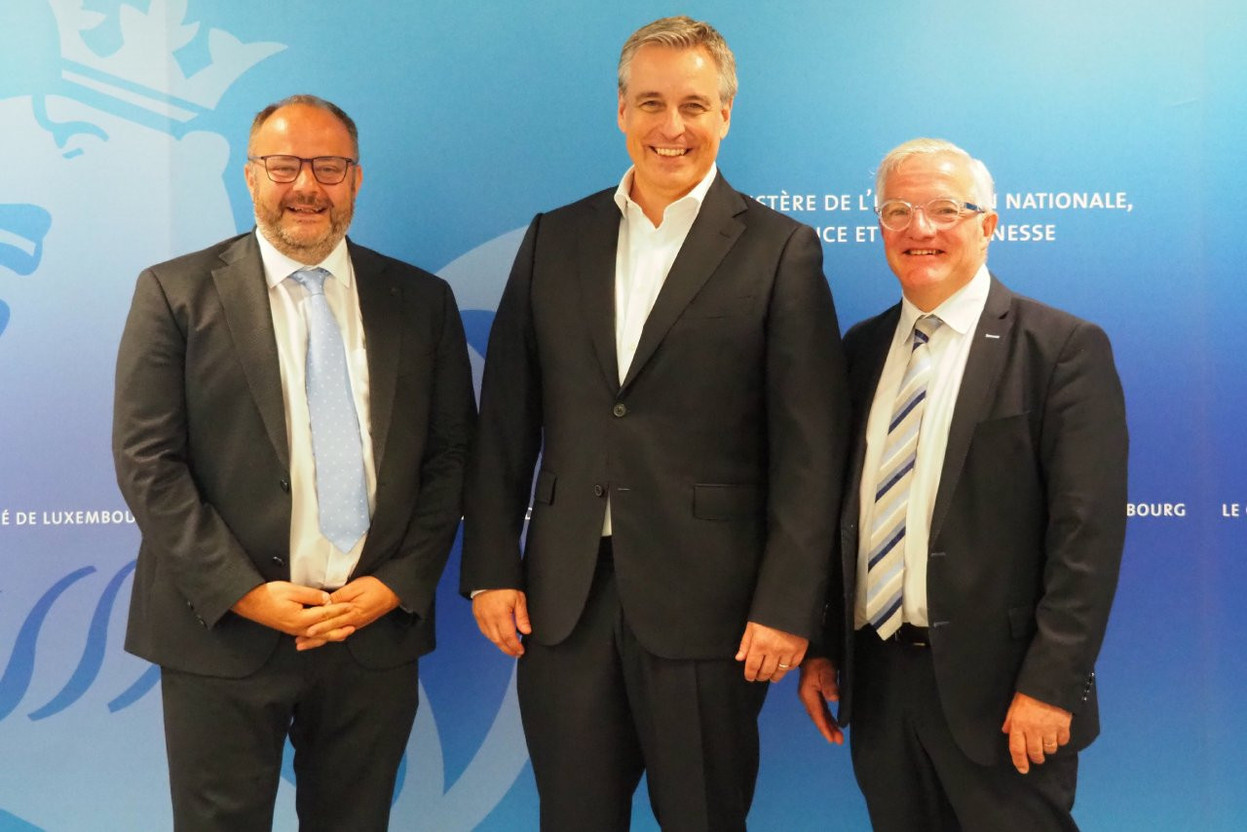
There’s no doubt about it, it’s back to school. With the first pupils returning to school at the beginning of the week and the bulk of the school population returning to their schoolbags from Monday 15 September, the ministry of Education announced on Wednesday 3 September the appointment of Marguerite Krier to the post of school mediator. Marguerite Krier, who has worked for the Ministry since 2003, was previously head of the Children’s Rights Department. Marguerite Krier succeeds Lis De Pina, the first holder of this post, who retired after seven years in office.
Three levels of action
The School Mediation Service (SMS) was created in 2018. Its aim: “To support parents and pupils in the event of difficulty with a school or department of the Ministry,” says the Ministry. “National education professionals can also turn to it,” the authorities state. The School’s Ombudsman intervenes at the end of the chain: “after complainants have sought a solution with the school or service concerned, without succeeding.”
There are three levels of action. Firstly, school retention, to “prevent pupils leaving school without a certificate or diploma”. Secondly, school inclusion, to “ensure that all pupils, including those with disabilities, have access to the same rights”. Finally, school integration, to “ensure that children who arrive in Luxembourg without knowing the country’s languages also have every opportunity”.
“Space for dialogue”
“The primary concern of the school mediator and his team of assistants is to provide a space for dialogue to resolve disputes, to take the time to listen and explain, and thus support the pupil’s academic progress”, explains the Ministry of Education, which emphasises the principles of “listening, respect for the individual, impartiality, fairness and confidentiality”.
“The Schools Ombudsman may also, on the basis of the complaints he has dealt with, make general recommendations to the Minister of National Education. These may be taken into account in legislative adjustments or ministerial instructions. In the interests of transparency, it also draws up an annual report that is sent to the government and the Chamber of Deputies,” state the public authorities.
The SMS operates with a team of a dozen people, mainly lawyers and psychologists.
This article was originally published in French.