For Raymond Aendekerk, director of Greenpeace Luxembourg, 2024 will be a pivotal year: among its objectives are to adopt an agricultural model that breaks with productivism; to remain vigilant in the face of GMOs and the return of glyphosate; to fight against greenwashing and the financial centre’s bad climate practices; and to help change an unsustainable socio-economic system.
Delano’s sister publication Paperjam interviewed the organisation’s director and sustainable finance campaigner.
Paperjam: Greenpeace Luxembourg was founded 40 years ago on three values: ecology, pacifism and the fight against nuclear power. Today, ecology is increasingly under threat, war is omnipresent--including in Europe--and nuclear power has become commonplace. Do you still feel relevant?
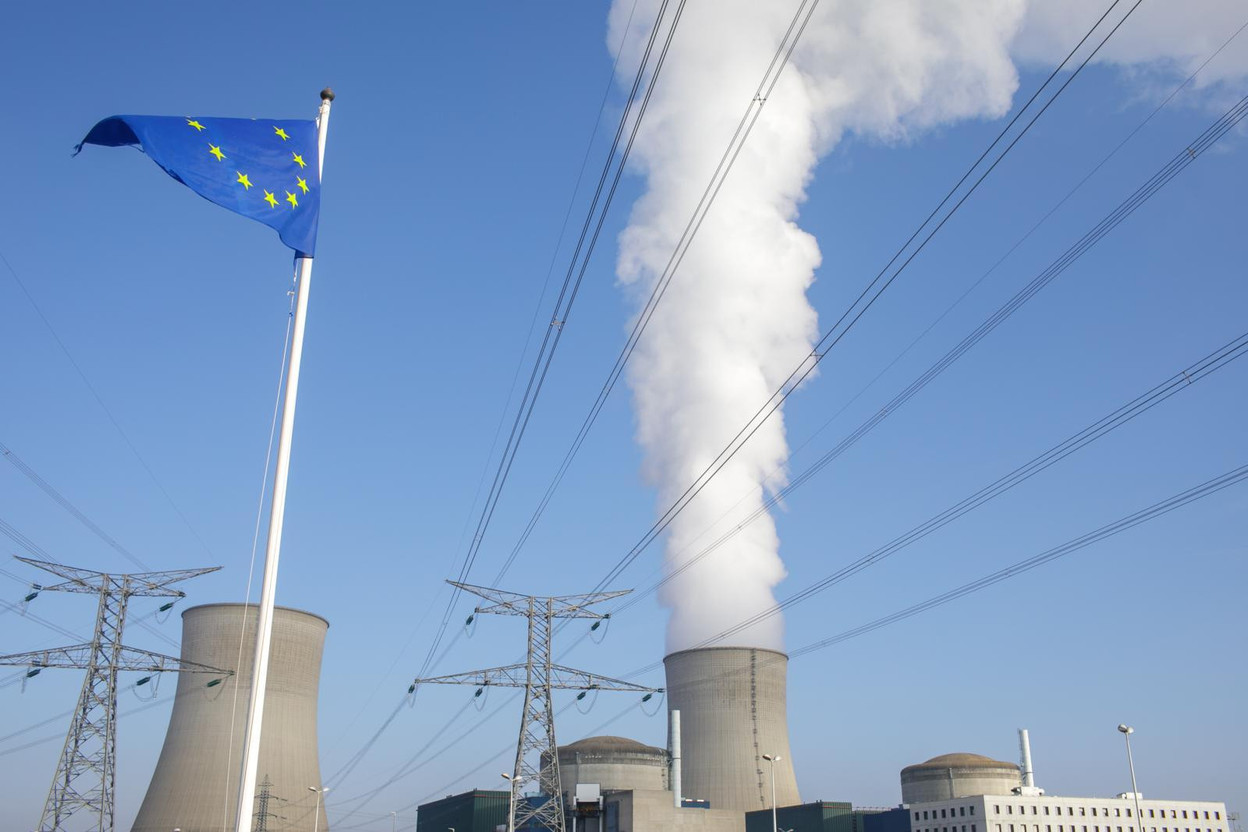
Raymond Aendekerk: Yes. We are more relevant than ever because the threats to biodiversity and the climate posed by agricultural and industrial productivism and the use of fossil fuels and nuclear power have not gone away. Over the last 40 years, alternatives and technologies have been developed to facilitate the transition to a green and sustainable economy. The question is why the resources needed to make this transition are not being mobilised.
Consider this: fossil fuels are still heavily subsidised. And billions are being invested in nuclear power to build new power stations without any regard for the final cost. We can’t accept that. There are alternatives. But we need the political courage to actually use them. Until the situation changes, I think we have an important role to play.
In a Luxembourg society that is still very materialistic, as shown by the results of the last legislative elections, is anybody listening to your message?
I don’t know whether Luxembourg society is more or less materialistic than others. What I can see is that people are disappointed that the Greens are out of the government--disappointed because the party was taking things in the right direction. Look at what has been achieved in terms of mobility. Why were they punished? I don’t know. Too many compromises? Poor communication? I remain convinced that people want more ecology in government action to meet the challenges of climate change. I don’t know what the new government is going to do, but I don’t expect a return to a retrograde policy on ecology and climate.
Isn’t the approach adopted by climate protectors--including yourself--too militant, guilt-ridden and punitive? Even to the point of alienating the public? What do you think are the best ways of advancing the cause of ecology?
We’ve always tried to work with associations active in the social field in order to strike a balance between climate protection and social protection. I believe that all the problems that we environmental activists encounter are above all social and economic problems. People need a decent living wage. We can advance, to the fullest, the argument that growth and industry are required to guarantee jobs. This is legitimate. But we also need to invest in sustainable jobs. And that’s where industry and the trade sector need the resources to make a sustainable transition.
The European elections are approaching. People are talking about Euroscepticism and the rise of the far right, but not at all about ecological issues. Why? How can these issues be put back at the centre of the debate?
I think we need to take action to ensure that the theme of ecology is taken up by all parties represented in the European Parliament. And I think that, despite the criticism levelled at the European Parliament, these issues are being discussed. As far as the climate is concerned, we need to move forward together and work with the entire international community. I think that if the member states retreat into a more nationalistic agenda, we won’t succeed. In my view, the greatest challenge is to ensure that the commitments made remain valid. People have a right to biodiversity that has been preserved, to natural resources that are protected. Populists want growth at any price, without considering people’s wellbeing. But wellbeing is not proportional to growth. That’s where we have to fight.
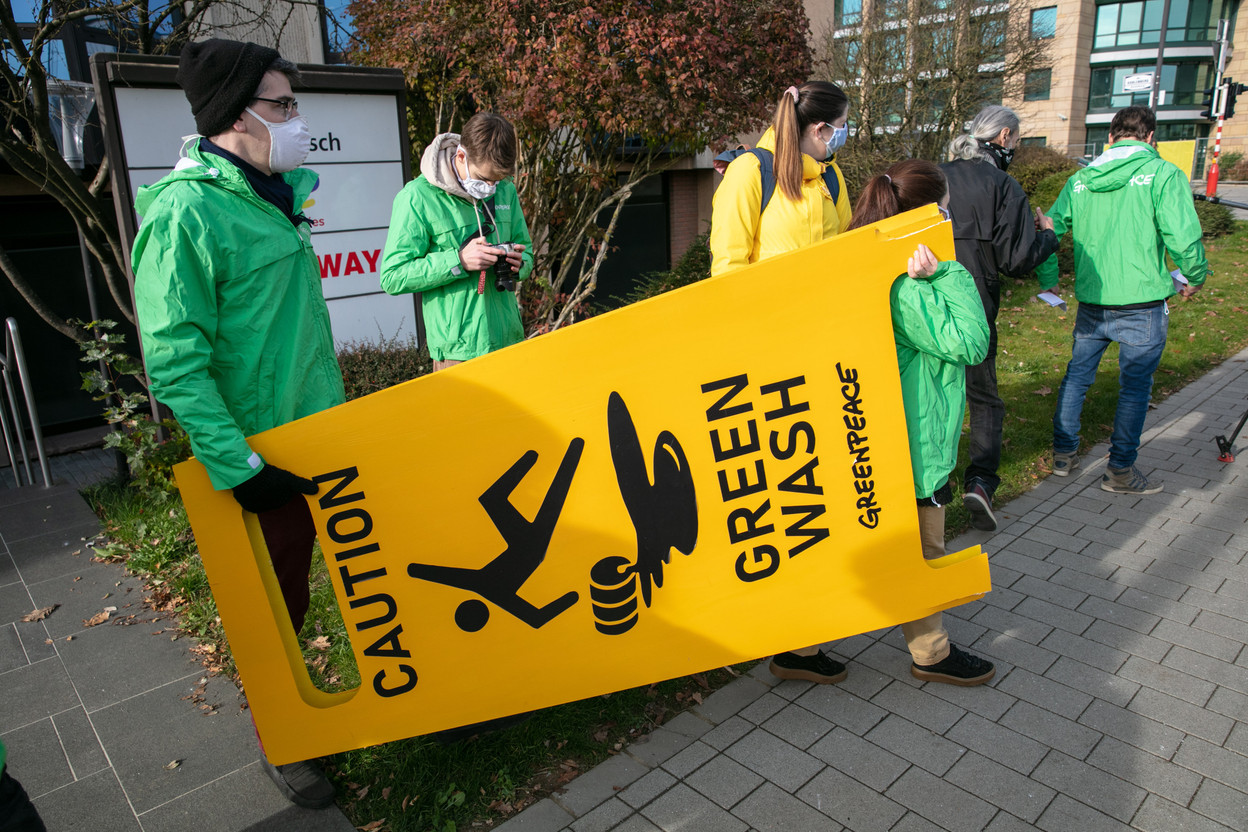
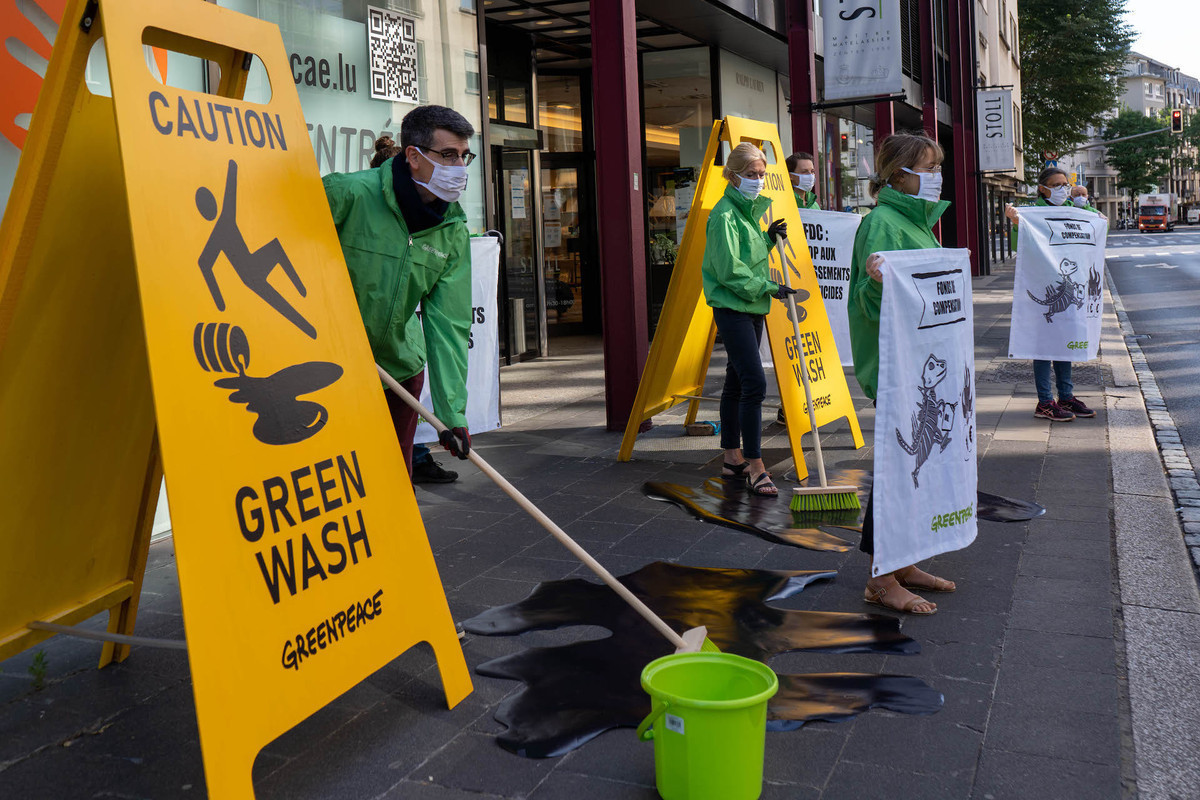
In recent years you have denounced greenwashing in the investment fund industry in Luxembourg. What has happened since the publication of your report about it in 2021?
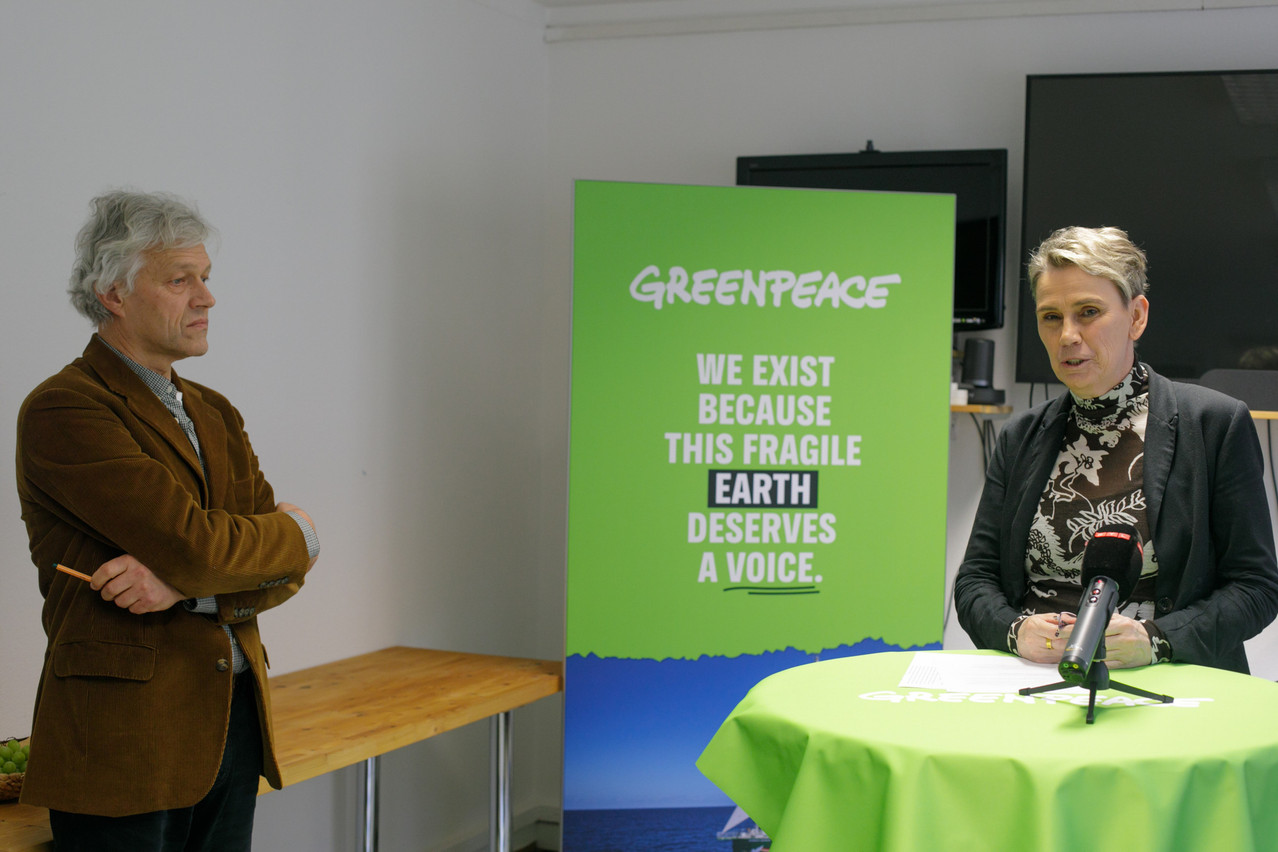
Martina Holpach: Nothing has happened! After our report was published, investment funds and banks undertook analyses of their climate impact. But today, I’m unable to tell you what consequences the banks and funds have drawn from this report and what measures they have taken. An analysis should have been carried out and made public. It is regrettable that the responsibility for producing such reports falls to organisations like ours. It’s a resource-intensive job.
We have had no discussions with the ABBL or Alfi since the publication of our report. We would like to discuss how to make the financial centre more sustainable, but I don’t see the sector opening up on this subject. Nor, for that matter, on the subject of human rights. That’s a shame. Political will is lacking: the financial sector is not proactive on these issues. The image of a ‘green’ financial centre is artificial. A coat of paint.
What message would you like to get across on the anniversary of your founding?
Raymond Aendekerk: To keep going for another 40 years. We need to work towards a sustainable economy in which profit is not the absolute criterion.
This article was originally published in Paperjam. It has been translated and edited for Delano.