In January, we asked Paperjam’s readers a simple question: if we know that nature-based prevention works, why aren’t we prescribing it? Six months later, the answer runs deeper than healthcare policy.
The CNS deficit reached approximately €100m in 2025 and is projected to rise. The conversation has focused on how to finance the problem – rather than how to stop producing it. That is the wrong conversation. But to understand why, we need to start somewhere unexpected.
Two extractions, one logic
For most of the 20th century, economies treated natural resources as effectively infinite. We extracted, consumed, and moved on – rarely accounting for regeneration. We called it growth. Then the consequences surfaced: depleted soils, collapsing ecosystems, a destabilised climate. We discovered the planet has limits and we invented the language of sustainability, regeneration, circular economy – the recognition that you cannot extract indefinitely without replenishing.
We have been doing something remarkably similar to people. We call them human resources. We measure human capital. The language itself tells the story – people become inputs: measurable, optimisable, expected to continuously perform. Just as we once treated nature as infinitely resilient, we have built economies on the assumption that human cognitive capacity, emotional resilience, and social functioning will regenerate automatically, regardless of the conditions we create.
But regeneration is not automatic. Economies built on extraction eventually destabilise the systems they depend on – whether ecological or human. When regeneration fails, the costs surface everywhere. The CNS deficit is, in part, the invoice.
The cost of depletion
Luxembourg already spends more than $8,000 per person annually on healthcare – among the highest in the OECD. But the visible bill is only part of what chronic human depletion is costing this economy.
The WHO estimates depression and anxiety alone cost approximately $1trn annually in lost global productivity. Deloitte puts the annual cost to UK employers at £56bn through absenteeism, presenteeism and reduced performance. Extrapolated to Luxembourg’s workforce, the indirect annual cost could plausibly reach several hundreds of millions of euros – through burnout, sick leave, turnover, and declining innovation.
These are not separate problems. They are symptoms of the same extractive logic: an economy depleting human capacity faster than it regenerates it.
Modern economies have long treated human regeneration as external to productivity – as though recovery, attention, and psychological stability were private concerns rather than foundational conditions of performance. They are not. They are the biological infrastructure that economic output depends on. And we have been running it down.
The asset we already have
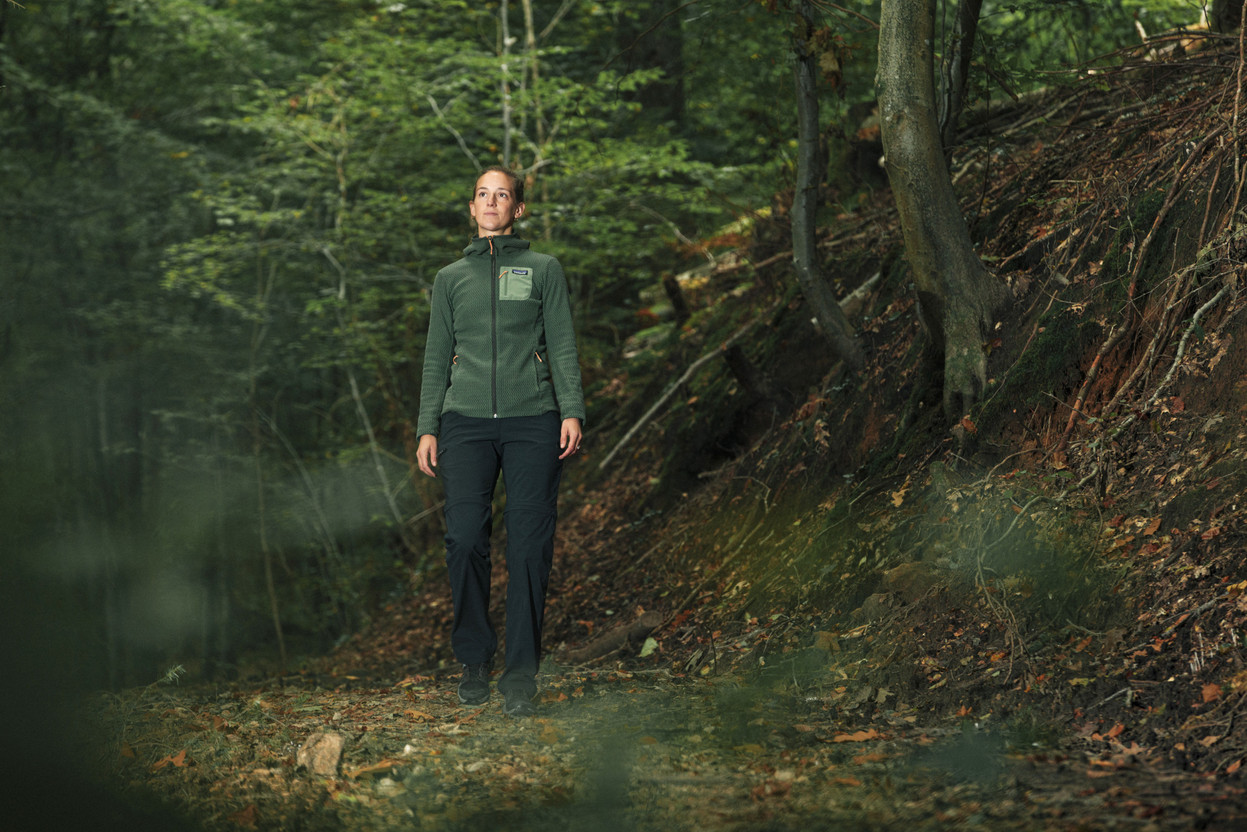
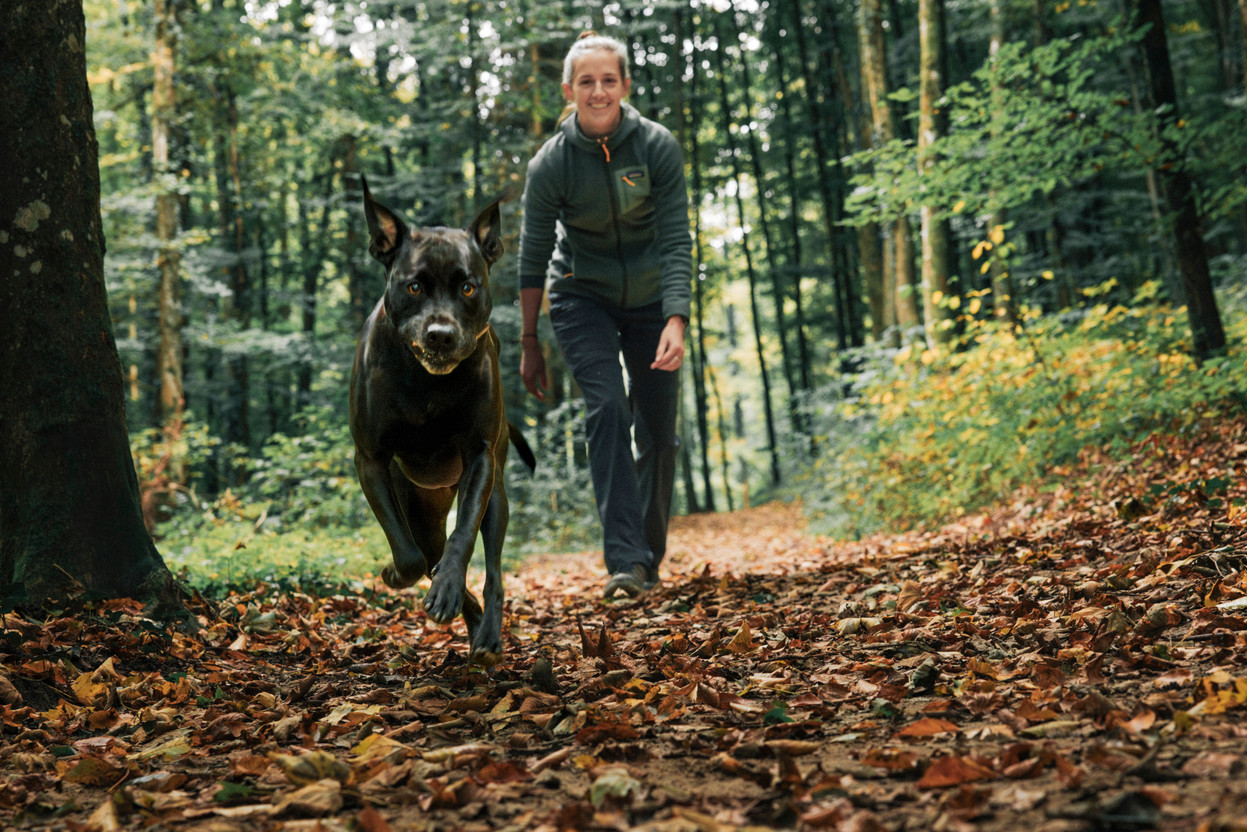
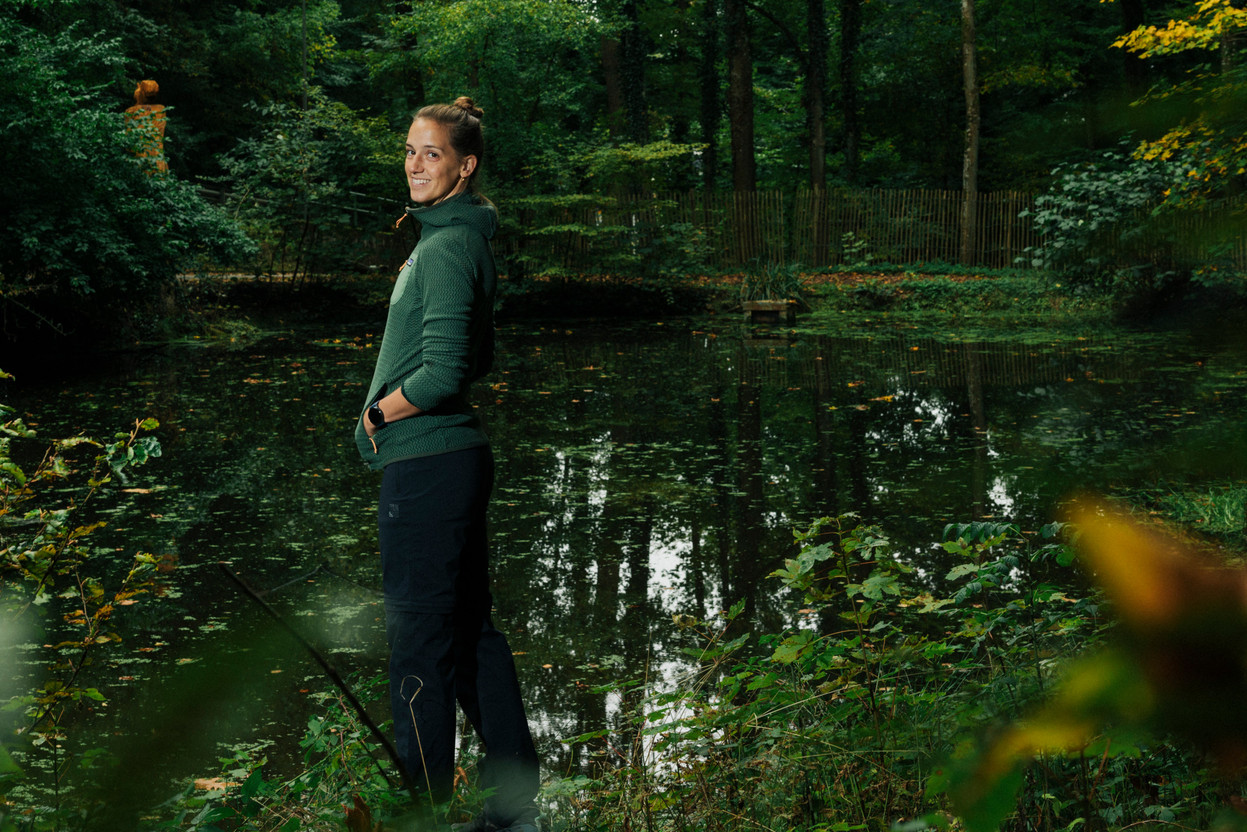
Unlike most highly urbanised economies now spending billions trying to rebuild access to nature artificially, Luxembourg still has it. Forests covering nearly half the national territory. Green spaces within reach of almost every home, school and workplace. A population living closer to nature than many comparable financial centres in the world. This is no longer merely an environmental asset. It is a regenerative one.
The evidence is increasingly clear. Regular exposure to nature reduces stress, supports cognitive recovery, lowers healthcare utilisation, and improves productivity. Researchers at Griffith University estimated the global annual economic value of nature exposure at $2.1trn. In the workplace, University of Exeter researchers found that employees in offices with plants were 15% more productive and reported higher levels of satisfaction and concentration. Studies have linked green environments with productivity gains of up to 11%. Closer to home, a nine-year Liser study found that Luxembourg residents living in neighbourhoods with just 10% more green cover had a 74% lower risk of metabolic syndrome.
Nature is not a wellness perk. It is regenerative infrastructure. And Luxembourg has more of it than almost any comparable economy – largely untapped as the strategic asset it is.
The economy we could build
Some economists describe this emerging model as the wellbeing economy. But beneath the terminology lies something more fundamental: the recognition that human beings are not infinite resources.
Cognitive clarity, emotional resilience, attention, recovery – these are not side concerns to economic performance. They are the biological conditions that make sustained performance possible. An economy that depletes them is not growing. It is borrowing against a balance sheet it has chosen not to read.
The economies best positioned for the decades ahead may not be the most digital or financialised. They may be those capable of regenerating the human systems they depend on – maintaining conditions in which people can think clearly, recover fully, and contribute sustainably.
Luxembourg’s moment
Luxembourg is small enough to move fast. Wealthy enough that the question is never whether it can afford to act – only whether it chooses to. And uniquely positioned – in its landscape, its institutions, and its scale – to demonstrate what the rest of the world is only beginning to understand.
We have nature. We have the research. What we are missing is the decision to treat this country’s greatest natural asset not as scenery, but as the regenerative foundation of something new: an economy that replenishes the human capacity it depends on, rather than depleting it. Because nature-based prevention isn’t just good healthcare policy. It is, quite literally, the regenerative infrastructure for the human capacity our economy depends on.
In January, we asked why we weren’t writing the prescription. The question we’re asking now is whether we are ready to understand what the prescription is actually for.