A timely question
The Luxembourg government recently announced the need to find €140 million in healthcare savings -- a challenge that naturally leads to discussions about cost control.
But what if the answer isn’t cutting care, but reducing the need for it? Research shows every €1 invested in nature-based prevention can save up to €14 in future health costs. The World Health Organization estimates well-designed preventive programmes deliver €7-€10 returns for every €1 invested.
That’s not just economic. It’s human.
The prescription that works
Between 2021 and 2023, England tested a different approach to mental healthcare.
Here’s the idea in practice: A patient comes in struggling with anxiety and depression. High stress. Poor sleep. The conventional path: medication, perhaps talking therapies after a long wait, and vague advice to “reduce stress”.
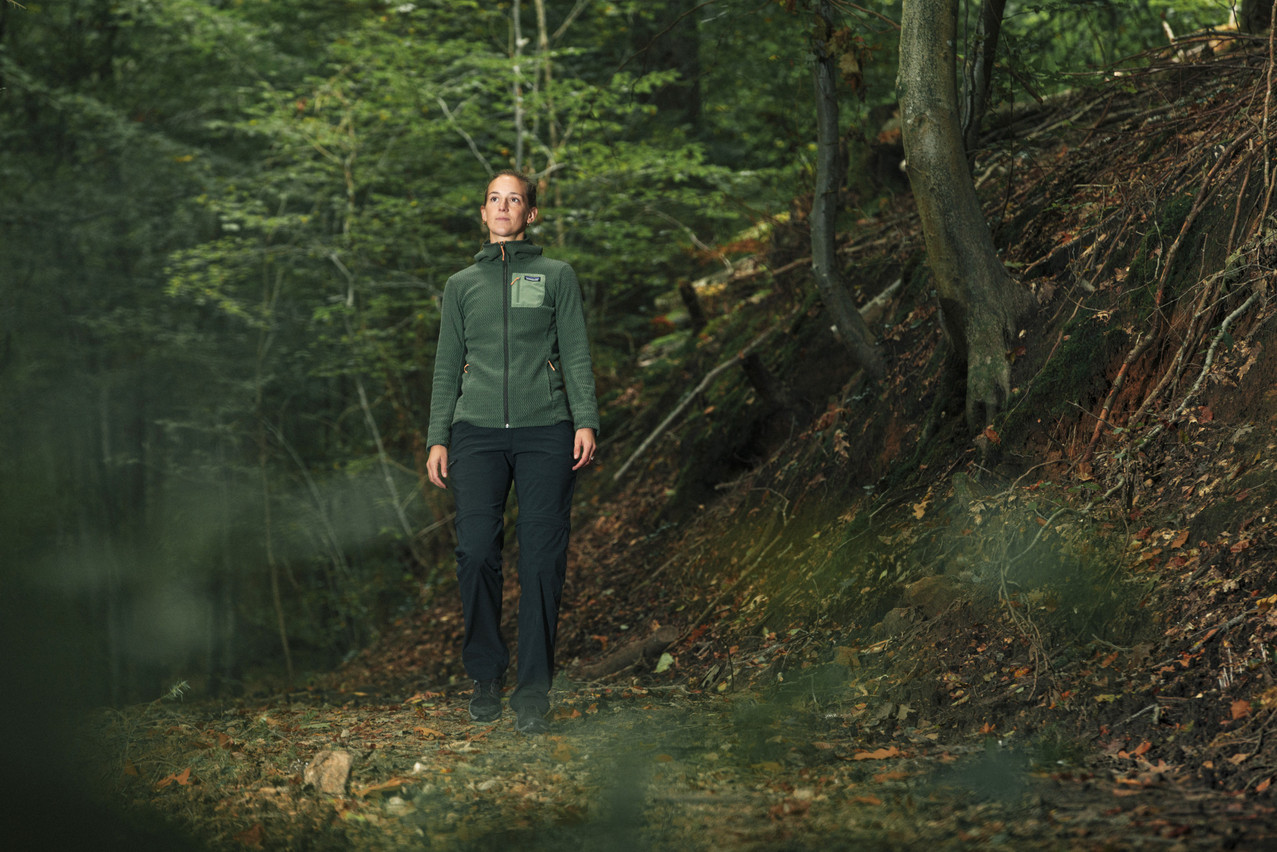
Instead, their link worker offers a different prescription: structured nature-based activities -- woodland walks, community gardens, and conservation work with others facing similar challenges.
This is Green Social Prescribing -- a pilot that began as a two-year trial but has been extended due to its promise, testing whether nature could be systematically embedded in the NHS as treatment. The £5.77 million initiative built infrastructure: integrated care systems, aligned health and environment strategies; provided training, and created clear referral pathways for clinicians.
The results were striking.
Over two years, more than 8,500 people took part across seven pilot regions. Engagement rates consistently exceeded 85% -- far higher than typical mental health referrals. The national evaluation showed statistically significant improvements in wellbeing, anxiety and depression, with strong reach into communities most affected by health inequalities.
Why did it work? The program addressed what pills alone cannot: the fundamental disconnection between how we live and what our bodies need. We evolved in relationship with the living world. When that connection is severed -- particularly for people in disadvantaged areas -- health suffers predictably.
The demonstration was clear: nature-based care isn’t a “nice-to-have”. It’s an evidence-based, scalable intervention that improves mental health and reduces demand on services.
The Luxembourg paradox
Luxembourg is surrounded by forests, rivers and natural landscapes, with green spaces accessible from nearly every home, school and workplace.
And yet, more than 7% of the population lives with chronic depression. Burnout is a leading cause of sick leave. Mental health conditions cost our economy more than €300 million annually in lost productivity. Our healthcare spending per capita is among the highest in Europe -- over $8,000 per person, with 86% publicly funded.
We have the nature. We have the resources. We even have the research: a nine-year Luxembourg study found that people in neighborhoods with just 10% more green cover had 74% lower risk of metabolic syndrome.
What we’re missing is the connection -- the deliberate integration of nature into health policy, clinical practice and prevention strategies.
Luxembourg’s advantage
We are uniquely positioned to act -- and perhaps move even faster than England.
Consider what we have: A country small enough that a pilot program in one commune can scale nationally within months, not years. Green spaces so accessible that most residents live within walking distance of a forest or park. A publicly funded healthcare system where every person kept healthy doesn’t just improve lives -- it directly reduces costs that can be reinvested in prevention.
We don’t need to create the infrastructure. The nature is already there. What’s missing is the prescription.
What this means in practice
A national strategy for nature-based prevention requires coherent alignment, not sweeping reforms.
Healthcare providers could incorporate nature prescriptions into GP consultations for mental health, stress, and metabolic conditions, supported by training and CNS reimbursement pathways. Employers could integrate nature-based initiatives into occupational health, recognizing their role in reducing sick leave and healthcare costs.
Policymakers could launch coordinated pilot programs with hospitals, municipalities and community organizations, ensuring equitable access nationwide.
Residents would benefit from guidance that emphasizes consistency rather than intensity: research suggests that around 120 minutes of nature exposure per week can significantly improve wellbeing, sleep, and stress regulation.
Organizations like UNature are ready to help coordinate these efforts. But this transformation belongs to all of us.
The choice
This isn’t about replacing medical care with walks in the woods. It’s about giving healthcare providers another evidence-based tool -- one that addresses root causes rather than just managing symptoms. England’s two-year pilot proved it works. Other countries have demonstrated it. The research validates it.
Our government is looking for €140 million in savings.
The question isn’t whether nature-based prevention works -- the question is whether we will choose to prescribe it.
This article was written for the January 2026 issue of Paperjam magazine, published on 10 December. The content is produced exclusively for the magazine. It is published on the site to contribute to Paperjam’s comprehensive archive. Click this link to subscribe to the magazine.
Is your company a member of Club Paperjam? You can request a subscription in your name. Let us know via club@paperjam.lu