How is the design of professional spaces today a strategic lever for companies?
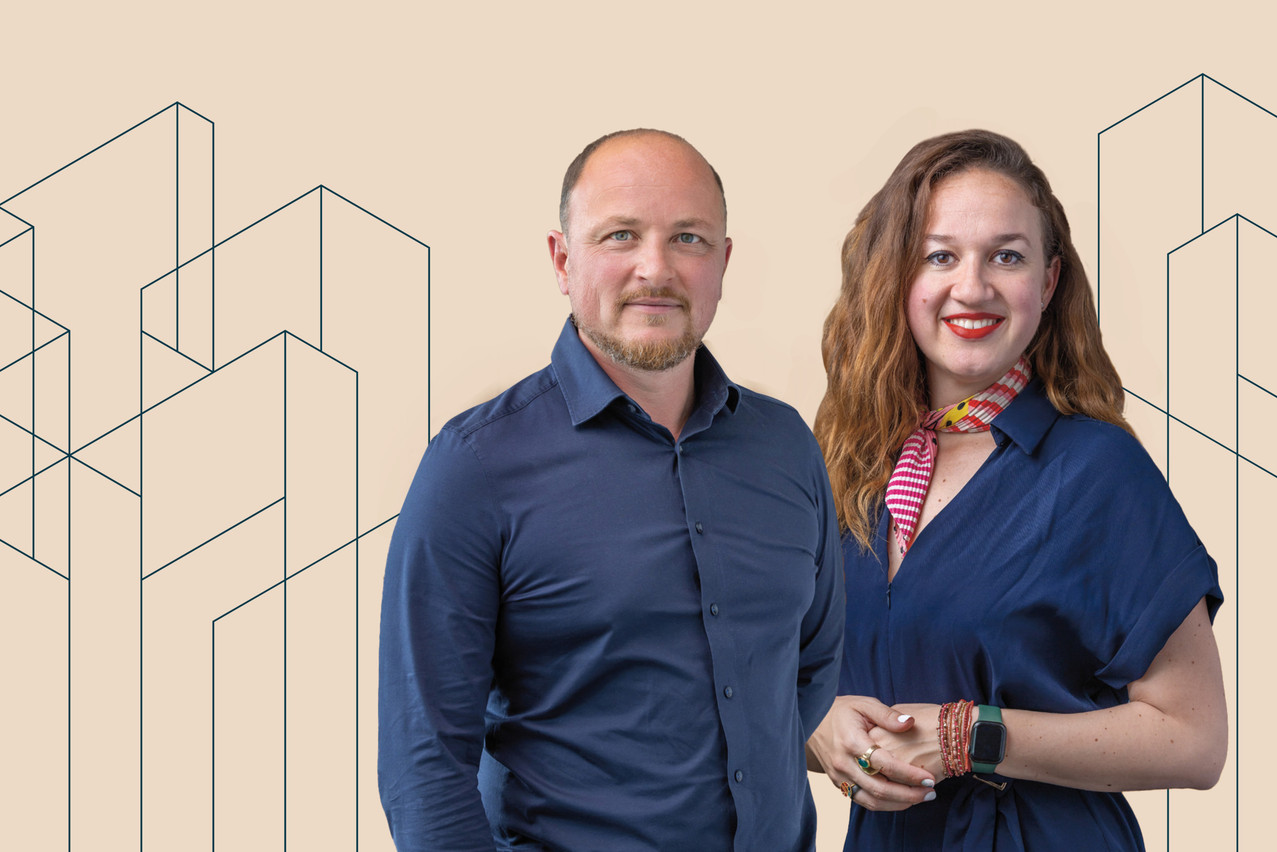
Ekaterina Pipkova: Design has always been a tool for improving our daily lives. The same applies to the design of workspaces. In this post-Covid environment, with accelerated hybrid working, design addresses broader issues. Companies need to adapt their spaces to meet employee expectations. They also seek to optimise space utilisation for profitability. Beyond that, layouts should reflect their identity, contribute to team well-being, and attract talent. A well-thought-out design must provide concrete solutions to these numerous challenges.
Alain Clarinval: Considering all this, design becomes a strategic lever for companies as it helps structure usages. In the Luxembourg context, where square metres are increasingly costly, companies aim to extract maximum value from their spaces. This involves designing agile spaces capable of supporting multiple uses without sacrificing quality of life or performance.
Design becomes a strategic lever for companies as it helps structure usages. In the Luxembourg context, where square metres are increasingly costly, companies aim to extract maximum value from their spaces.
In light of these challenges, how do you approach an interior design project? What elements should be considered?
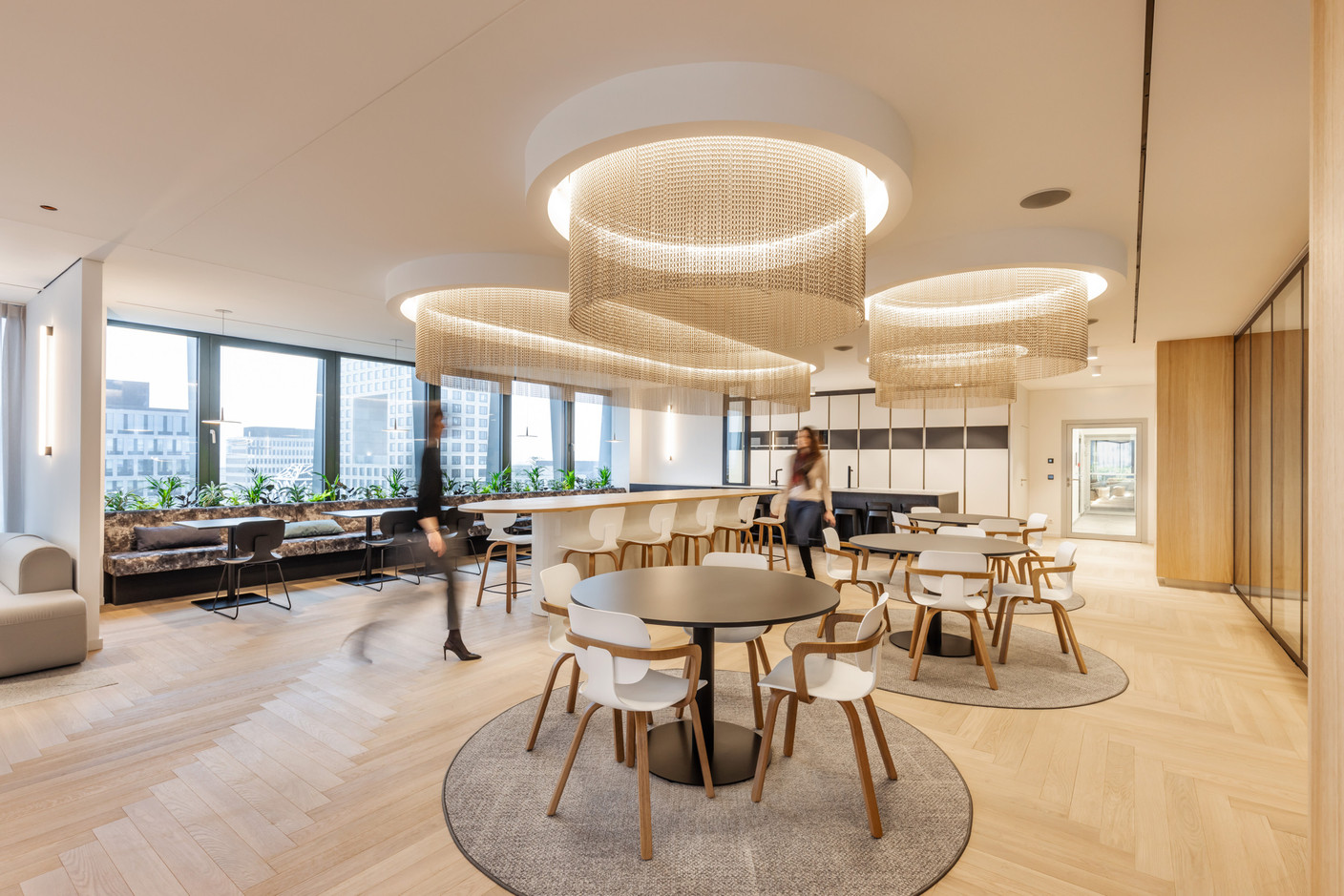
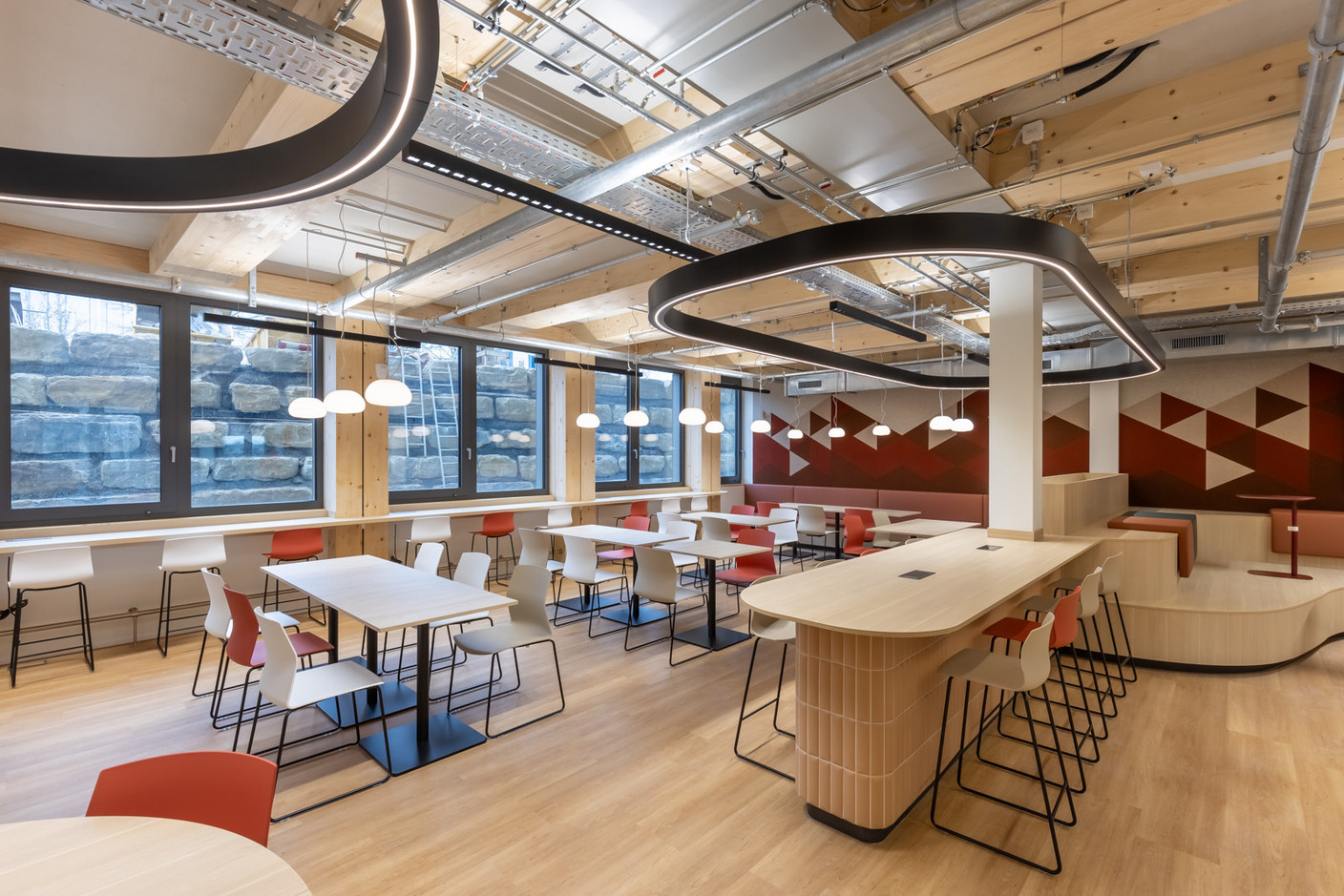
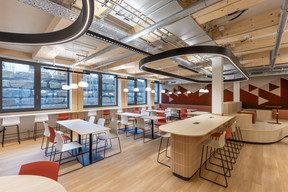
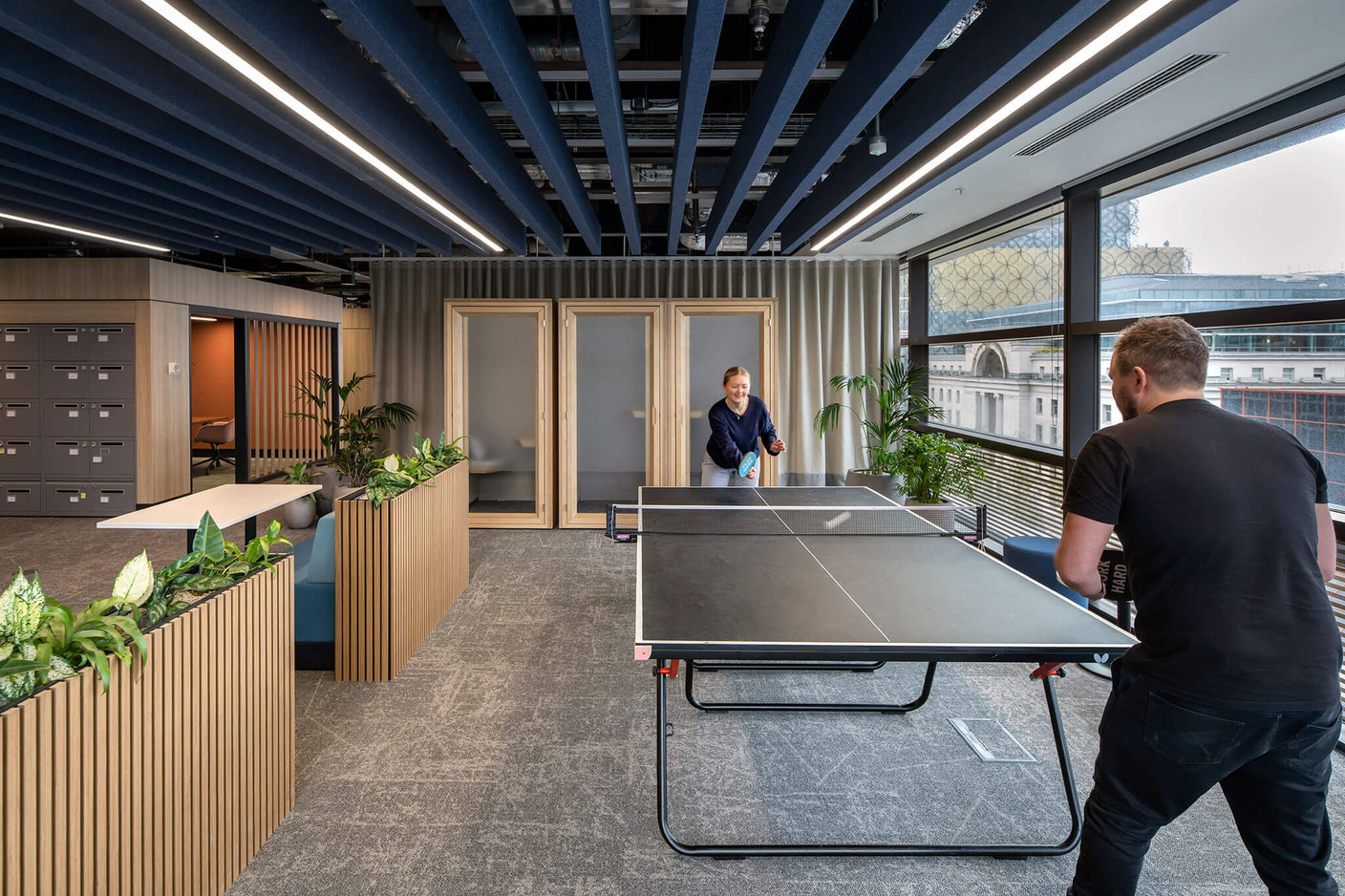
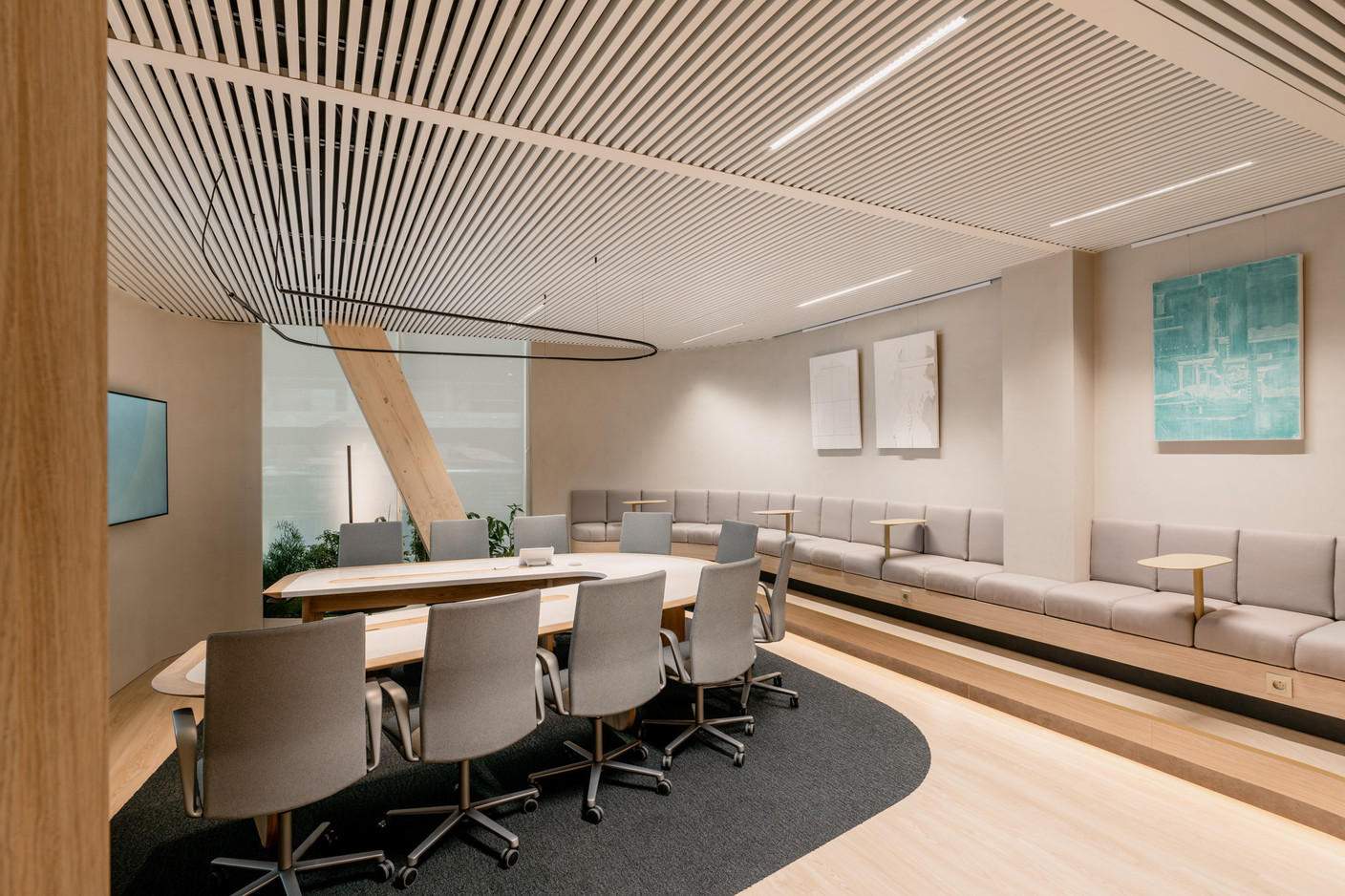
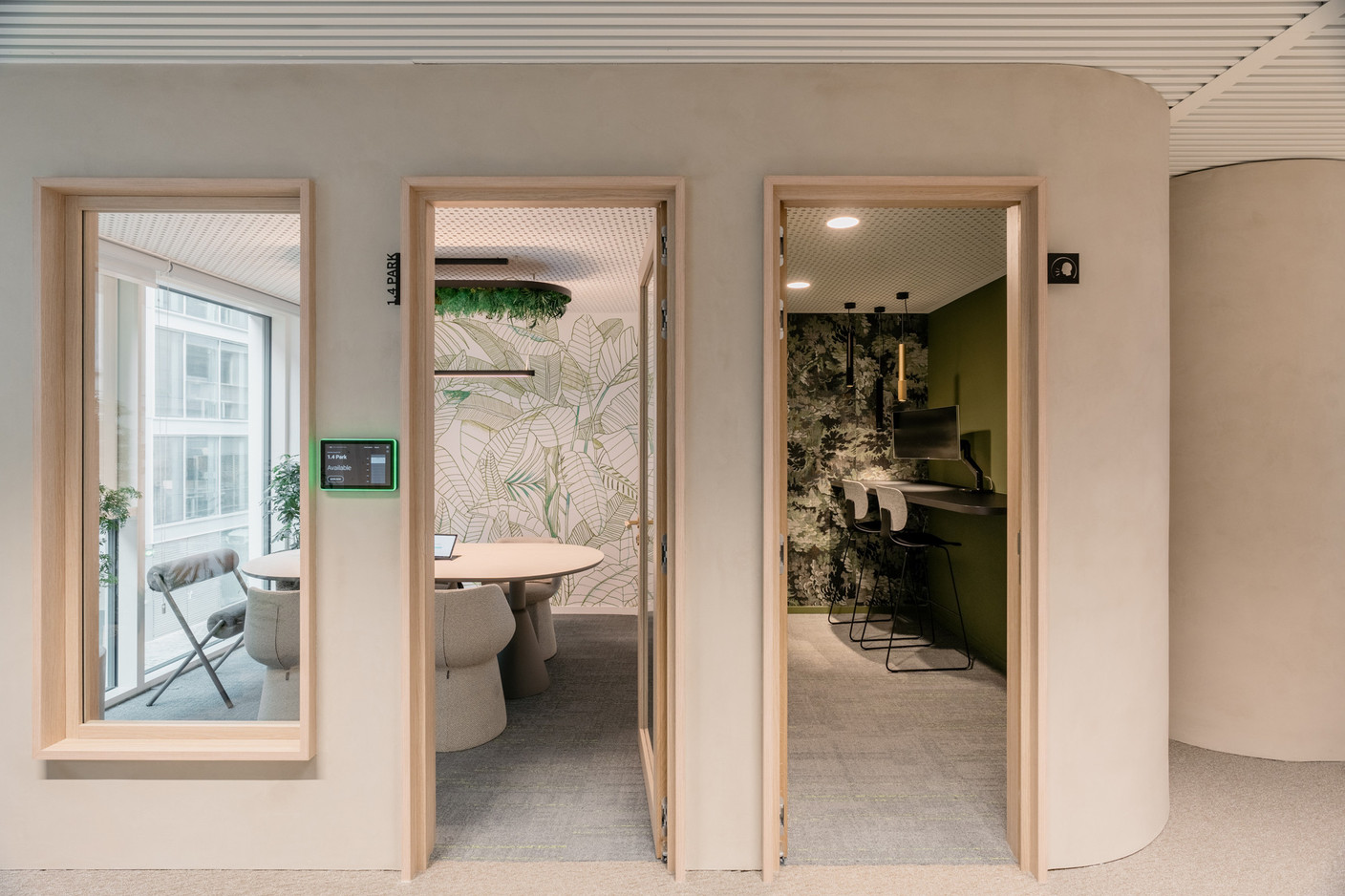
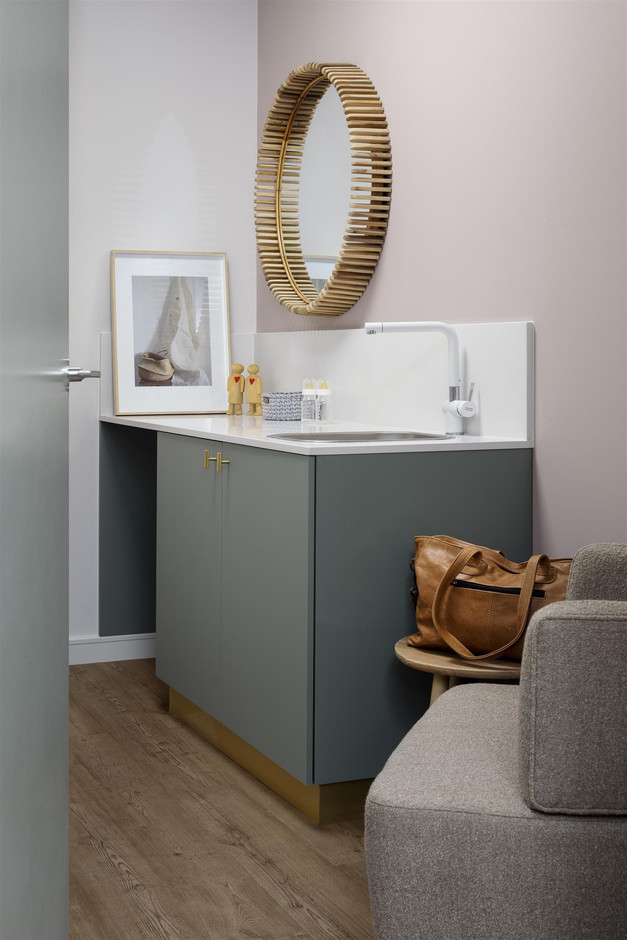
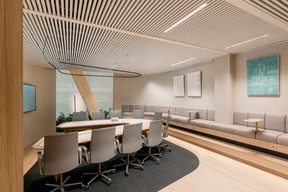
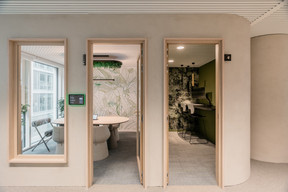
E.P.: Through design, we rethink spaces holistically to create social dynamics. In many cases, our clients want to reduce their footprint while maintaining capacity. Many realise that, due to holidays, illnesses, remote working, and the rarity of all employees being present at the same time, there's an opportunity to rethink space to increase flexibility by creating varied, modular zones that meet diverse needs. Sometimes, employees desire areas conducive to exchanges and collaboration, while others need quiet spaces for concentration—such as acoustic bubbles.
Through design, we rethink spaces holistically to create social dynamics.
A.C.: The most important thing is to listen to the client carefully to understand their needs and the company's challenges. No space is the same. For example, we work with international clients who want their spaces to reflect their identity coherently. They want their offices to mirror a shared culture across different locations. At the same time, local aspects and employee expectations can differ significantly from one country to another. This “glocal” approach—a blend of global and local—gains importance. However, it's essential to go beyond simply articulating client needs by sharing our experience, raising awareness about specific issues. It's crucial to create spaces where employees want to be, offering a high-quality user experience. It’s through our ability to consider all these factors that we can make a difference by implementing unique designs tailored to each client.
What are the most effective levers to (re)encourage people to come to the office?
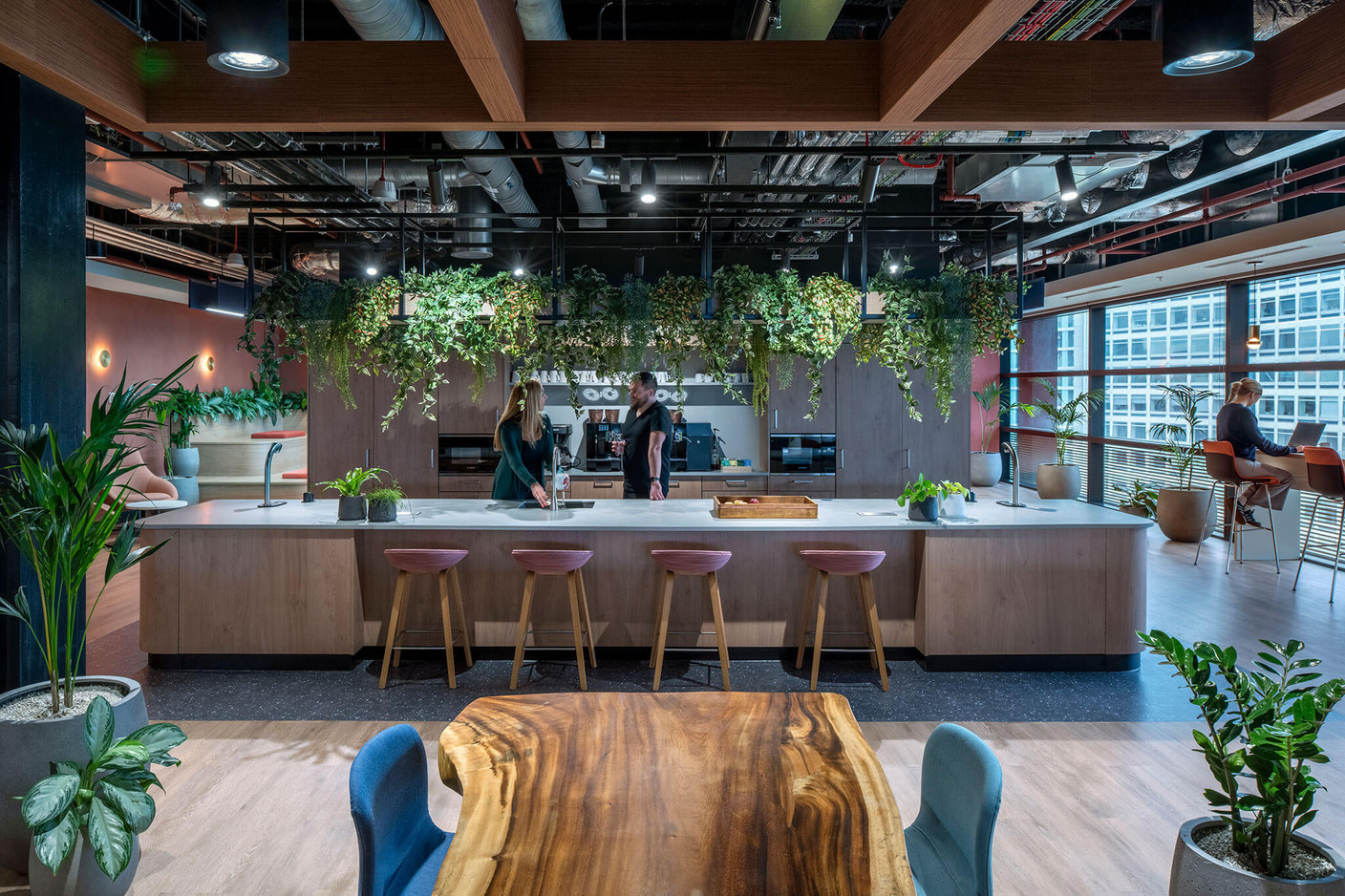
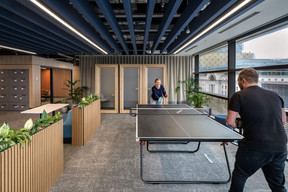
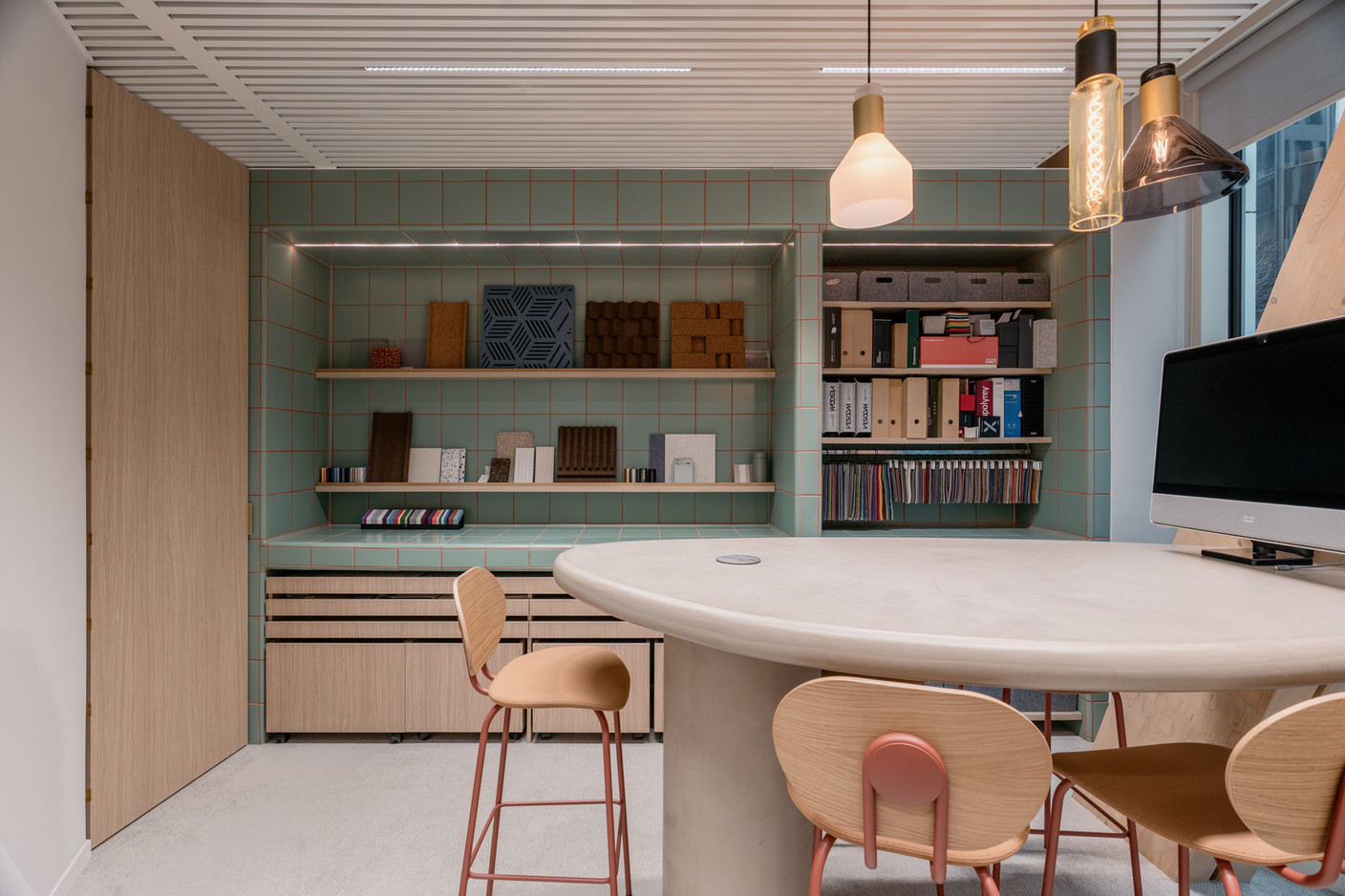
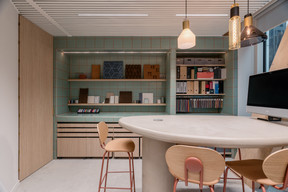
E.P.: By offering elements through the workspace that are exclusive to the office. To motivate employees to come in, we must provide a different experience from working remotely. For example, in our field, the office is where colleagues can exchange ideas—through spaces for workshops, accessing material samples, and more. These foster creativity, allow testing assemblies, handling elements. These are things that can't be done at home.
By offering elements through the workspace that are exclusive to the office. To motivate employees to come in, we must provide a different experience from working remotely.
A.C.: Design helps create a sense of belonging by incorporating corporate identity elements and establishing coherent, engaging atmospheres. It also reinforces company culture and collective engagement. Beyond that, design can extend to relaxation, spirituality, “mother rooms,” nap zones, or yoga areas. The office should become a lively, social space—not just a place to work. These approaches are powerful levers, especially in a competitive talent market.
Sustainability is also increasingly on companies’ agendas. How are these issues integrated into design?
E.P.: Integrating sustainability concerns—reducing environmental impact and enhancing employee well-being—is no longer optional. Today, this can include reusing materials already present in transformed spaces, such as carpets, partitions, and furniture, or using bio-sourced materials.
A.C.: We see these issues as opportunities rather than constraints. We’ve developed a solutions-oriented approach using an exclusive tool. This tool generates detailed reports for clients, transforming abstract sustainability concepts into concrete, measurable data. These insights guide our design decisions and help clients understand the real impact of their choices. Many solutions are possible. For instance, with water management, we might prioritise filtration systems to ensure quality and reduce plastic bottle use, or question the necessity of hot water for handwashing. Again, design seeks to address a multitude of issues in many ways.
Faced with the rapid pace of technological developments, how can spaces be designed to be sustainable?
A.C.: Design is not just about choosing colours and materials. The longevity of our proposals depends primarily on considering user needs, while taking into account underlying trends. In this regard, technology should enhance the user experience while addressing operational challenges. For example, for one of our clients, we implemented a Pitch Room—a space equipped with screens designed to immerse a client in a real estate project or a vehicle prototype. This type of space is driven by storytelling and engagement, which will remain relevant for a long time.
Design is not just about choosing colours and materials. The longevity of our proposals depends primarily on considering user needs, while taking into account underlying trends.
E.P.: Technology changes everything. It doesn’t replace design—on the contrary, it enhances it. In our work, we now use AI to generate visuals, simulate layouts, and accelerate the creative process. But the vision, purpose, and listening to the client... that remains deeply human. At Tétris, we believe that sustainable design primarily depends on the ability to support change, without ever losing sight of user needs.
Discover all Tétris Design & Build projects here.