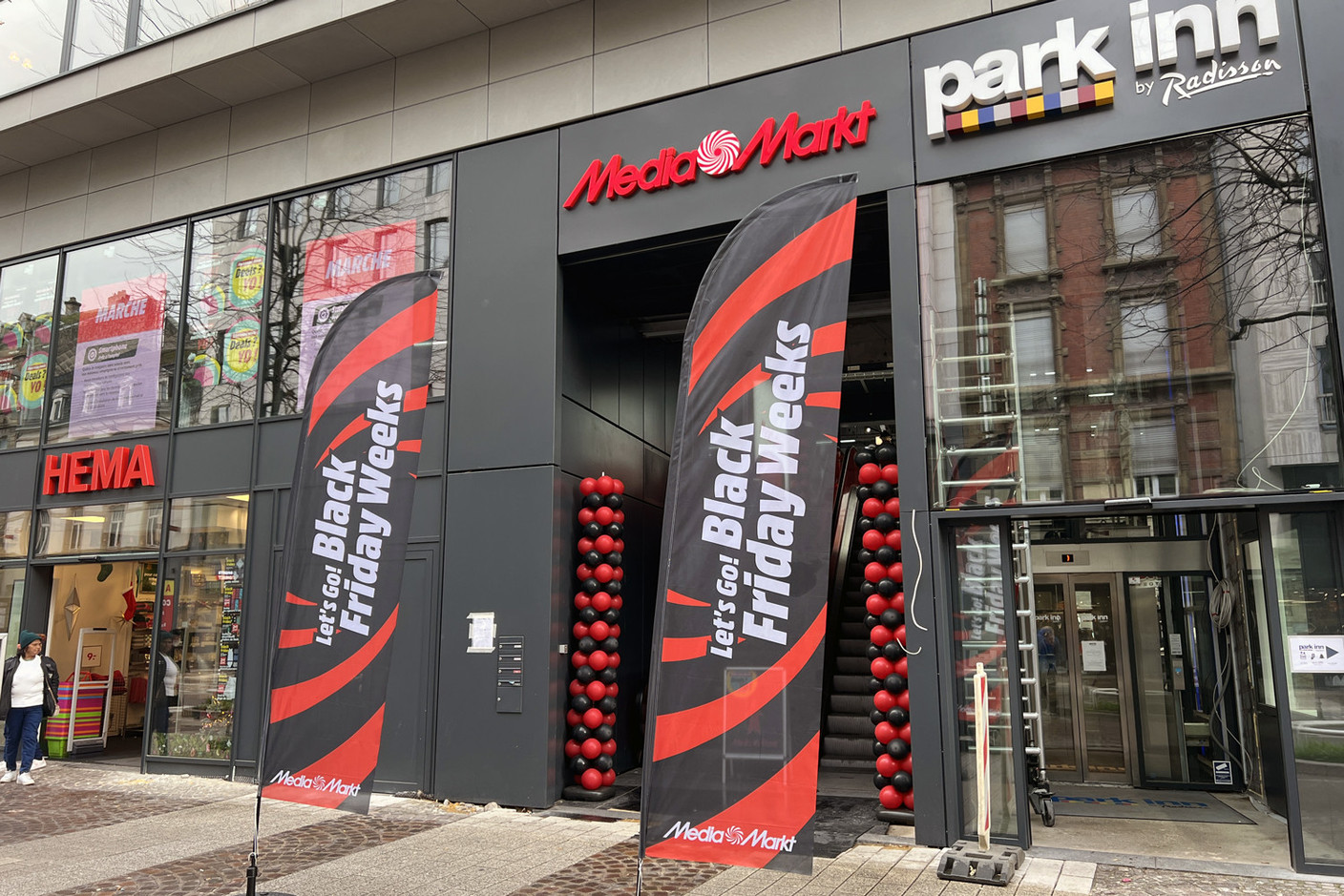
-20%, -30%, sometimes -50%: promotional posters have been invading shopping streets since the start of the week. Officially set for Friday 28 November, Black Friday has already begun in many stores, proving that the operation has become a permanent fixture in the shopping calendar.
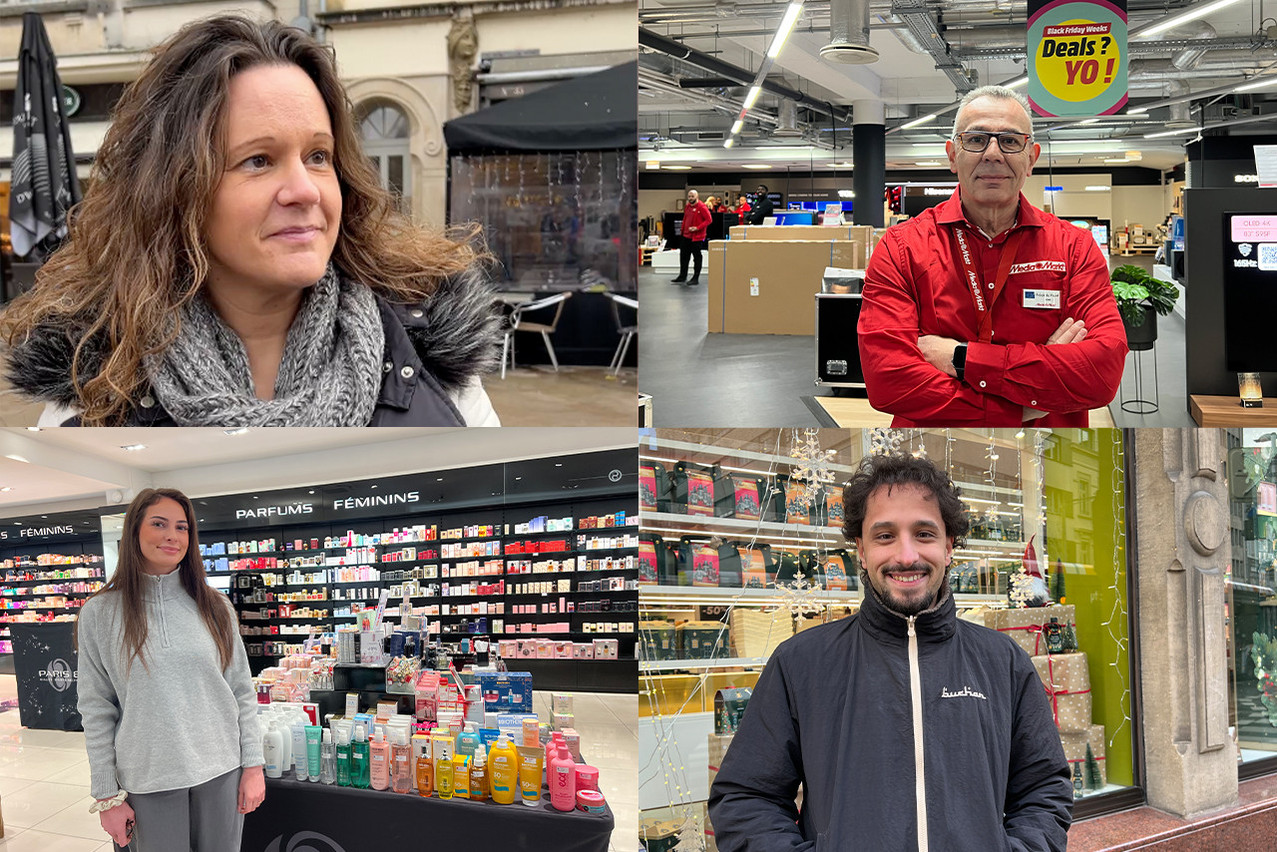
At Mediamarkt, near the train station, chief commercial officer Frédéric Faust notes that the day of promotions has turned into a real period. “Customers no longer wait for the last Friday in November. Our offers started this year on 7 November and run until 1st December,” he points out.
A few metres further on, Paris 8 is adopting the same strategy. For the past week, the store has been running a pre-Black Friday phase before switching to the main operation on Thursday 27 November. For marketing manager Caroline Kartheiser, this broadening of the agenda reflects a clear change in behaviour: “A lot of customers now do their Christmas shopping at this time of year.” Frédéric Faust has even observed a shift in the peak of activity: “The Christmas period now generates less sales than Black Friday.”
Consumers, between enthusiasm and distance
On the street, enthusiasm is not uniform. For Julien, 25, Black Friday has become a landmark. “I look forward to it because it's often really worth it,” he confides. The young man mainly targets the stores where he has his habits and prepares his purchases in advance. And if he does go into a shop, he prefers online shopping, which is “more direct” and “immediately available".





Others are holding back. Nadine, in her forties, says she's not really interested. "I'm not really interested,” she admits, although she does admit that she could wait until Black Friday for a major purchase, such as a washing machine. For the rest, she prefers ultra-discount platforms such as Temu, which she considers more advantageous.
Alexis, for his part, prefers the traditional January or July sales, which he associates more with in-store purchases. Online, he remains loyal to the classics, particularly Amazon.