How are relations between corporate legal teams and lawyers evolving? What expectations do legal departments have of external counsel? What needs do the latter meet?
Generally speaking, when an organisation sets up an in-house legal department, it is to respond more effectively to a range of issues related to the development of its business. This approach is justified when the company operates in a regulated sector and is of sufficient critical size. However, given the evolution of the law and the increasing complexity of regulations, it is not uncommon for a legal department to seek external advice from solicitors.
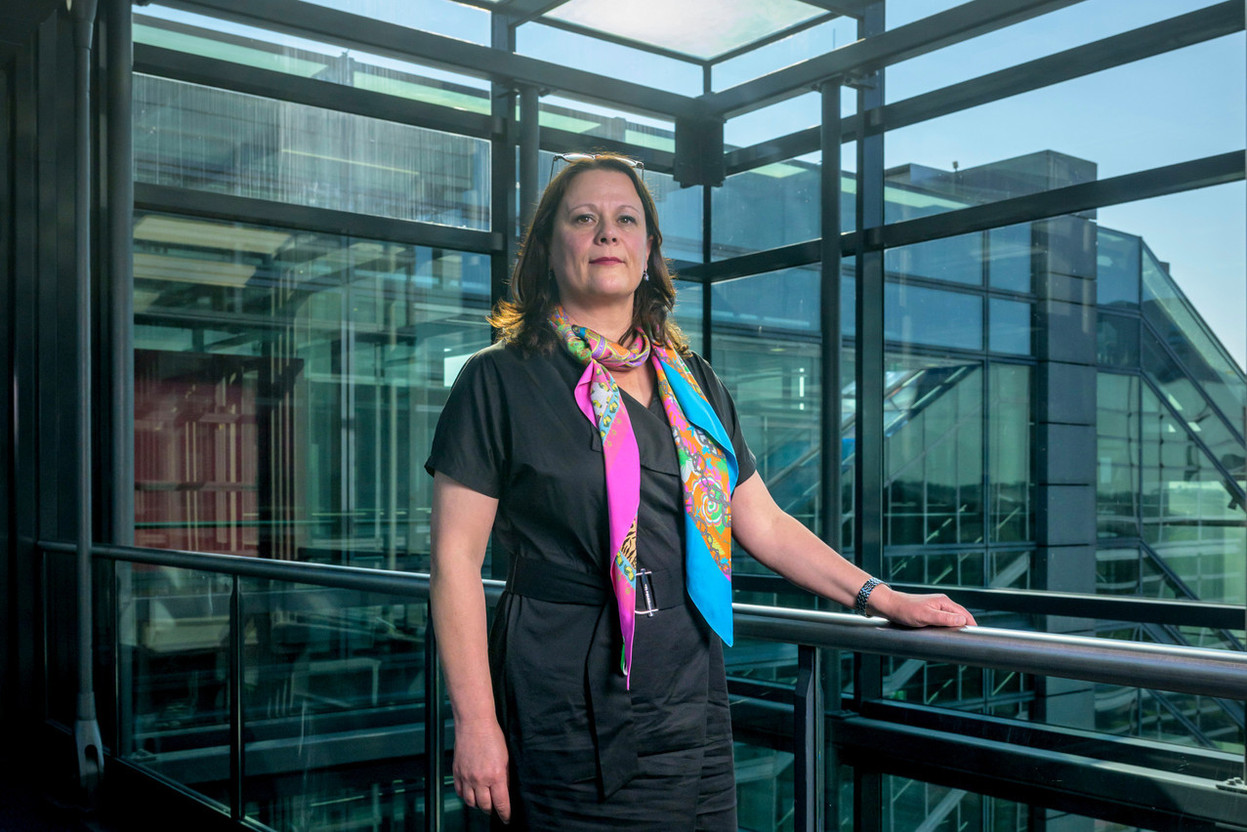
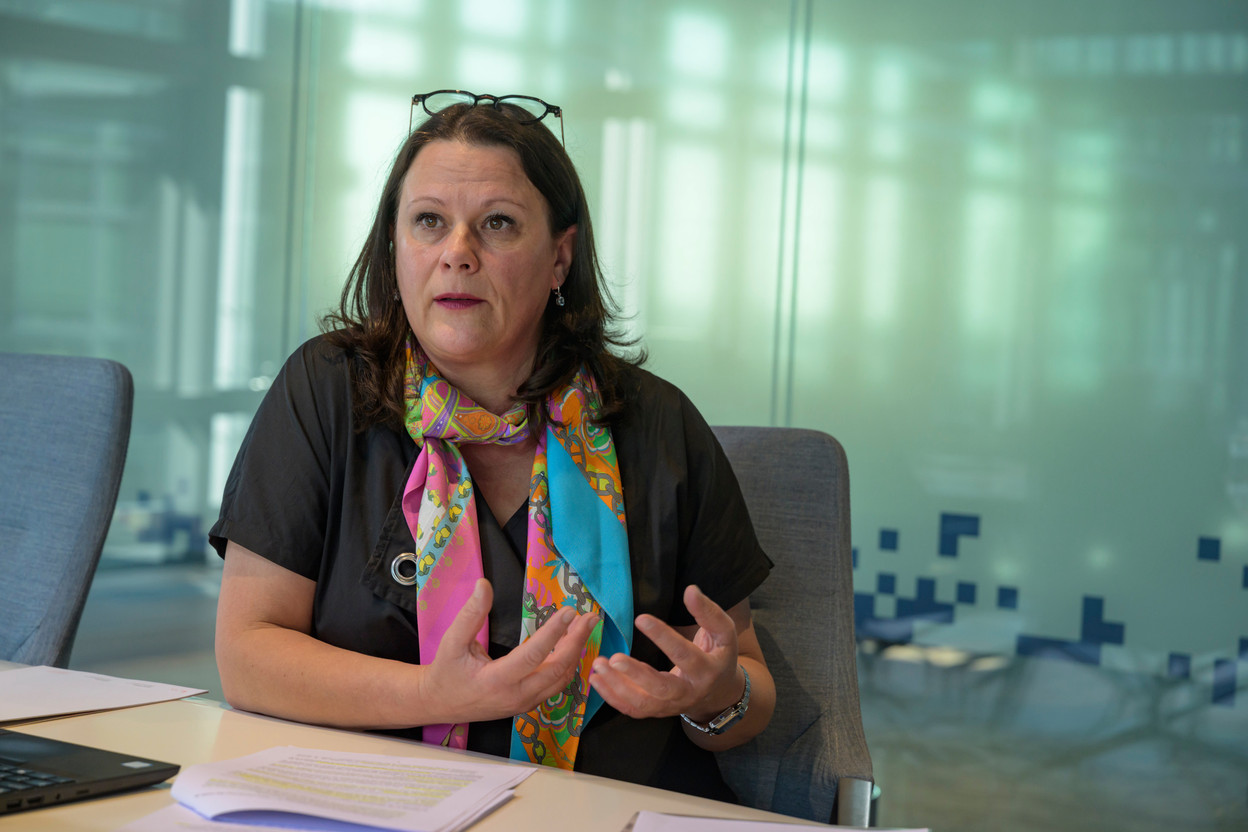
“It is important for the in-house legal department to have a good understanding of the main issues related to business development, to be able to answer recurring questions and to support the operational teams on a daily basis,” says Catherine Schmidt, general counsel of the Encevo Group. “However, we are sometimes faced with specific situations that require us to seek specific expertise from outside, from a lawyer or an external firm.”
Occasional requests
Encevo, a key player in the energy sector with activities spanning energy production, distribution and supply, must meet a set of highly specific regulatory requirements. “The context in which we operate justifies the development of in-house legal expertise,” says Schmidt. “We understand the business, know its challenges, our processes and our data better than anyone else. The regulatory challenges we face require specific expertise, which we are best placed to develop. Our legal department must be able to directly support the recurring operations that are central to our business.”
For a legal department, however, lawyers remain important partners. External expertise is only used on an ad hoc basis: when a specific situation arises, to obtain an outside opinion on a particular subject or to confirm a strategy with regard to legal practice. Lawyers also support the company in certain areas of consideration. The legal department, of course, calls on lawyers in the event of litigation, for their expertise in court.
Strengthening internal control
“Because we already have a good grasp of many issues and possess advanced legal skills, our standards for solicitors are undoubtedly high,” says Schmidt. “We turn to external experts for the added value they can bring us. This mainly translates into the experience that a solicitor has gained with other clients and in the cases they have handled. They must be able to demonstrate expertise that we do not have in-house and be able to assist us in very specific cases.”
As a cross-border group with a presence in Luxembourg, France, Belgium, Germany and the Netherlands, Encevo occasionally calls on external expertise in these various countries to address specific issues.
“Given our field of activity, the necessary expertise is not necessarily available in Luxembourg, where law firms tend to focus more on corporate law or finance,” Schmidt comments. “We therefore have to look beyond our borders, where the practice of law related to our activities is often more extensive or the regulatory framework more detailed. We also sometimes need to bring together lawyers from different firms or jurisdictions to address cross-border issues. In mergers and acquisitions, for example. We make a selection on a case-by-case basis, ensuring that we remain in control of the situation.”
Case-by-case selection
A legal department therefore calls on lawyers on an ad hoc basis. The partner is selected according to the specific need identified.
“In our approach, we have established a well-defined competitive bidding and selection process,” says Schmidt. “Depending on the need, we draw up specifications with transparent criteria. We pay particular attention to the lawyer’s experience with regard to the cases they have already worked on. In general, we target individual profiles by assessing what they can bring to us, rather than firms or networks. It is not uncommon for us to follow a solicitor, even if they change firms; it is their mastery of the law and the way they approach cases that matters most to us.”
Before establishing a partnership, Encevo’s legal department conducts preliminary interviews. It is important for the team to ensure that the solicitor is the right person to work with us. Even when an external adviser regularly works with in-house lawyers, the latter do not hesitate to challenge them for each new requirement.
“Although we appreciate the approach proposed by a solicitor and recognise their expertise, we will not hesitate to seek other external advice if, for example, we consider that the proposed fee is no longer appropriate,” Schmidt adds.
Adapting remuneration methods
When hiring external counsel, the legal department also pays close attention to the fees charged. “We expect services to be clearly priced, and transparently, and to be based on what is expected and described in the specifications,” explains Schmidt. However, the legal manager laments a lack of creativity in the way internal teams are supported. “I think lawyers could be more innovative by offering approaches that are better suited to our needs. Few of them spontaneously offer performance-based remuneration or commit to flat or capped fees. We need to challenge them on these issues to get them to consider other ways of providing support.”
Her new expectations are also linked to technological developments. While artificial intelligence has become an ally to lawyers, helping them with their research and analysis, legal services have noticed that the efficiency gains are not reflected in billing. “However, we know that lawyers use these tools, which should save them time,” says Schmidt. “There is still a certain lack of transparency in this area. The widespread use of these tools, which boost lawyers’ competitiveness, should nevertheless have an impact on pricing.” Competition will undoubtedly continue to play a role.
“In any case, I would be happy to see things evolve in this regard,” she adds.
Shedding light on the application of the law
In light of regulatory developments related to technology, to what extent can lawyers help their colleagues better understand new developments? For Schmidt, the use of external expertise is particularly justified when the legal context becomes more complex, when the application of the law is clarified through court rulings and the development of case law. “Take the adoption of the General Data Protection Regulation: this new regulation has raised a lot of questions and still raises questions about its application. The added value of a lawyer is limited at first, but it increases over time as interpretations, case analyses and case law multiply.”
When faced with new regulations, internal teams are capable of reading, discovering and analysing a text, just like any lawyer. However, the internal department may find it difficult to keep up with all the interpretations and adaptations that emerge over time. “In this respect, lawyers can be good partners, enlightening us on these aspects. We can refer to them to ensure that certain applications implemented are in compliance with the law and its interpretation.” On very specific subjects, certain solicitors, with recognised specialisation and expertise, can thus position themselves as high value-added partners for legal departments.
Diversified activities, varied challenges
Encevo is a major player in sustainable energy in Luxembourg and the Greater Region. In this regard, the Luxembourg holding company faces many challenges. Committed to ensuring secure access and competitive energy supplies, Encevo is actively helping to shape the transition to a sustainable energy sector. To achieve this, the holding company relies on technology, deploys innovative solutions and partners with local communities.
Its activities cover the entire energy value chain, from production, storage, supply and transport to trading, distribution and services. The group is based on three pillars, essentially represented by three separate entities and their respective subsidiaries: energy supply and renewable energy production by Enovos, network operation by Creos and energy-related services (distributed generation, energy efficiency, eco-mobility, etc.) by Teseos.
The Encevo Group has a very broad geographical footprint and serves customers in Luxembourg, Germany, France, Belgium and the Netherlands.
The group owns and operates more than 10,000km of power lines and approximately 2,100km of gas pipelines in Luxembourg; in Saarland and Rhineland-Palatinate (Germany), it operates approximately 450km of high- and medium-voltage networks and 1,650 km of high-pressure gas pipelines.
In Luxembourg, these infrastructures are used to supply energy to more than 300,000 electricity customers and some 49,000 natural gas customers. In Germany, the networks guarantee the supply of natural gas to more than 2m people in 340 towns and municipalities. The group also offers a wide range of energy-related services through its various subsidiaries.
This article, originally published in French, was written for Legal Leadership, Paperjam magazine’s supplement for the months of August/September 2025 and published on 10 July. The content is produced exclusively for the magazine. It is published on the site to contribute to Paperjam’s comprehensive archive. Click this link to subscribe to the magazine.
Is your company a member of the Paperjam Club? You can request a subscription in your name. Let us know via club@paperjam.lu.