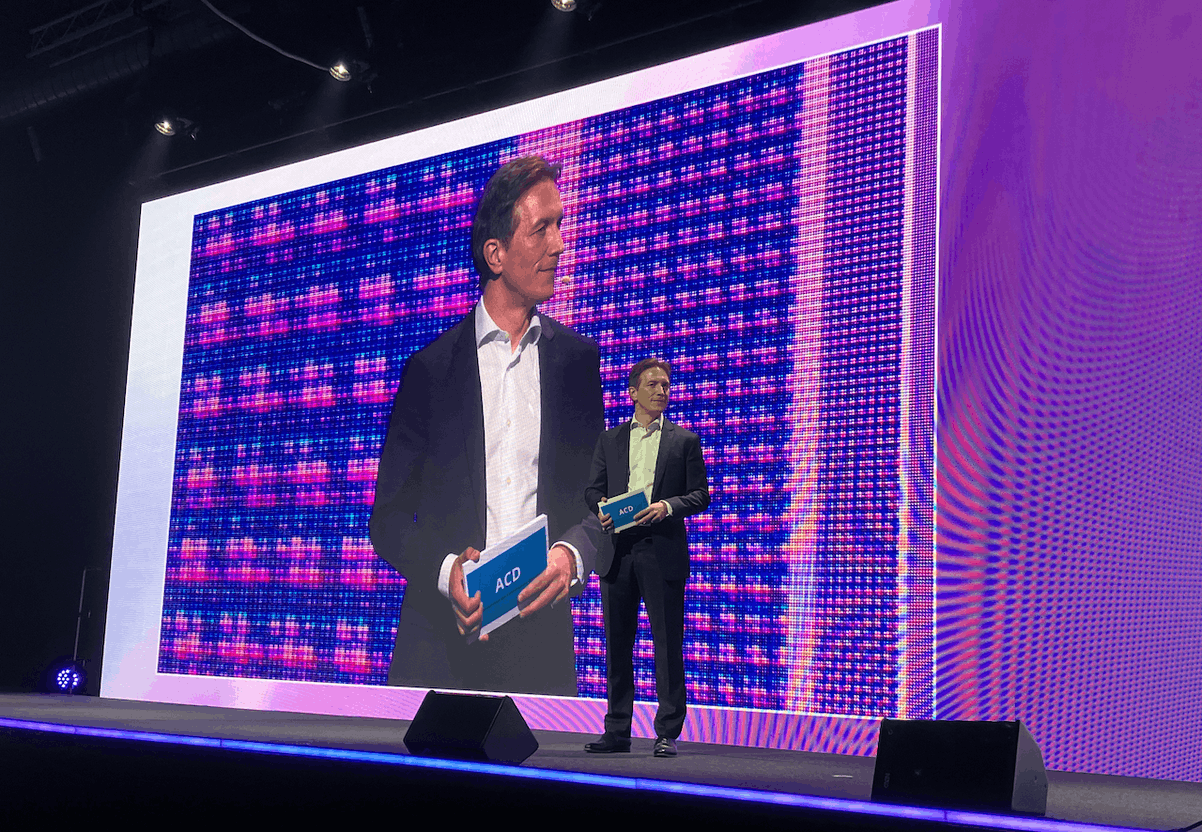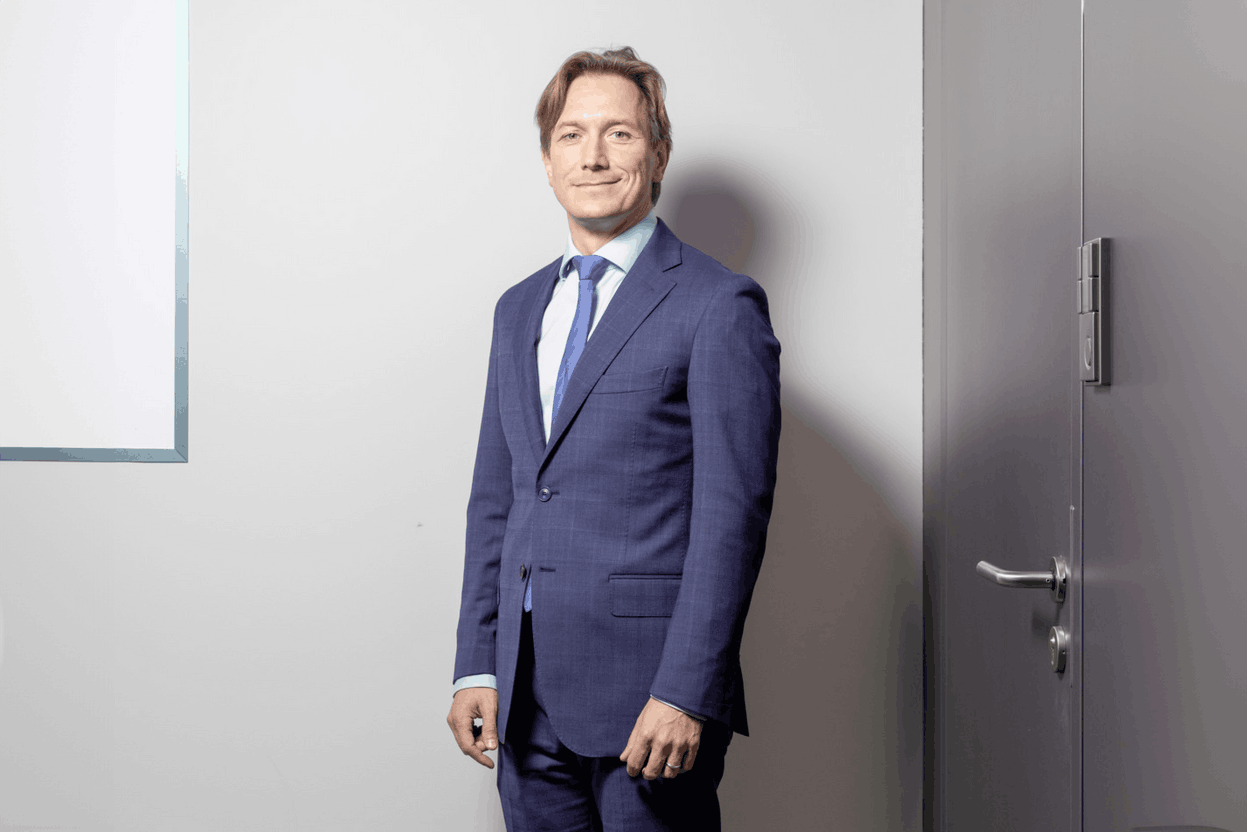
The director of the Luxembourg Inland Revenue, 

The plan presented to MEPs is based on 54 transformation projects, the central objective of which is to offer a better service to taxpayers and guarantee an egalitarian and efficient tax system. This will involve strengthening digital services. This will be managed on the ground by a new deputy director, who is currently being recruited, along with two division heads and four other staff. Bill 8655 enabling this recruitment was submitted to the Chamber of Deputies on 26 November. It is currently in Committee.
60 million for new software
The digital transformation programme includes replacing the central IT system, currently based on Cobol/Mainframe technologies, with "a new architecture that is modern, sovereign, modular and scalable", the bill details. The CDA plans to stop developing its digital solutions in-house, instead turning to the private sector and acquiring new software that will be customised to its needs. "This will enable us to make much faster progress," says Jean-Paul Olinger. Specifying that the service provider will not have access to taxpayers' tax data.
The cost of the acquisition is estimated at €60 million, which will require a special funding bill. This is expected to be tabled in the Chamber of Deputies "shortly". The software should be available in 2027. It should enable the CDA to meet 90% of the digital tax technology capabilities defined by the OECD, compared with 20% at present.
No office closures scheduled
Jean-Paul Olinger reaffirmed to MPs his goal of achieving 85% of tax returns filed electronically for individuals. The current rate is 25%. 15% of these returns are filed using the electronic assistant available online, and 10% using the PDF form. Note that since the 2017 tax year, electronic filing has been compulsory for businesses.
To facilitate this transition, the director of administration confirmed that people would be supported in completing their digital procedures. He also said that the CDA was not planning to close any offices.