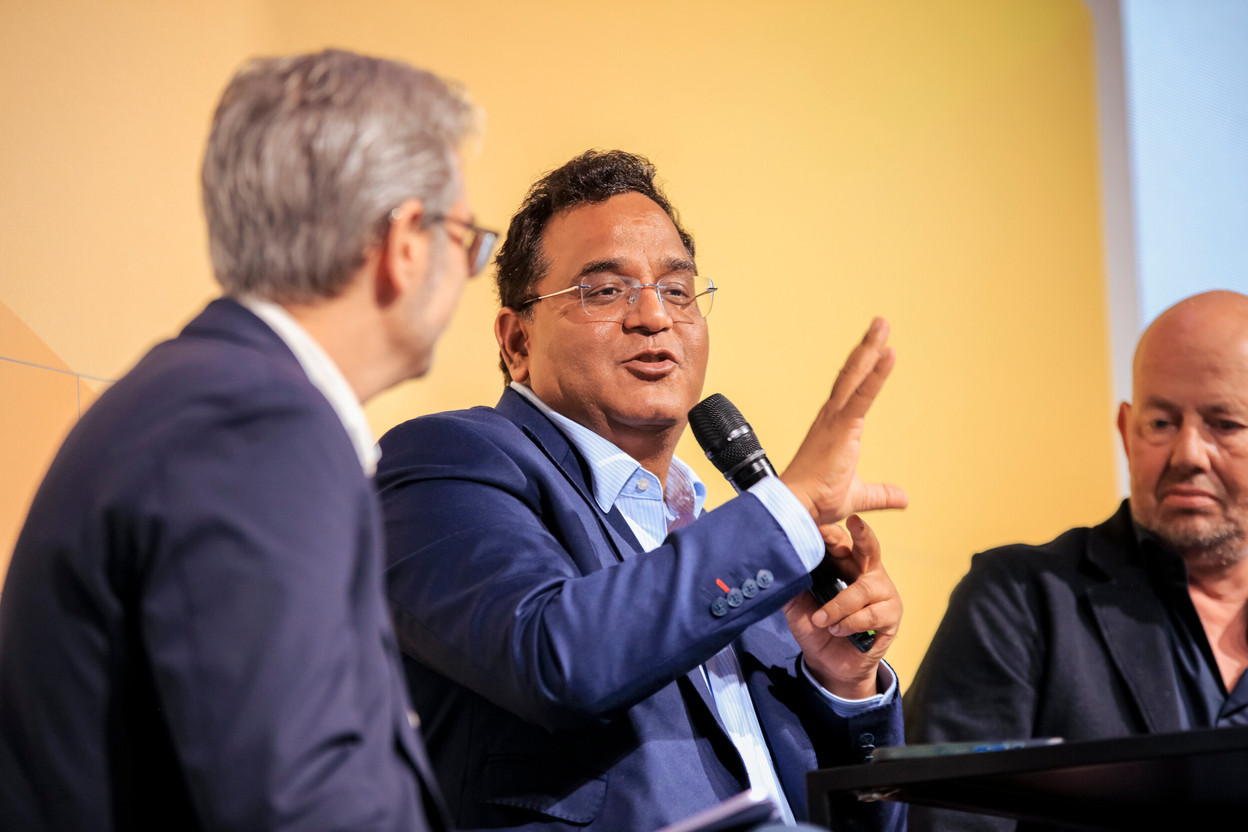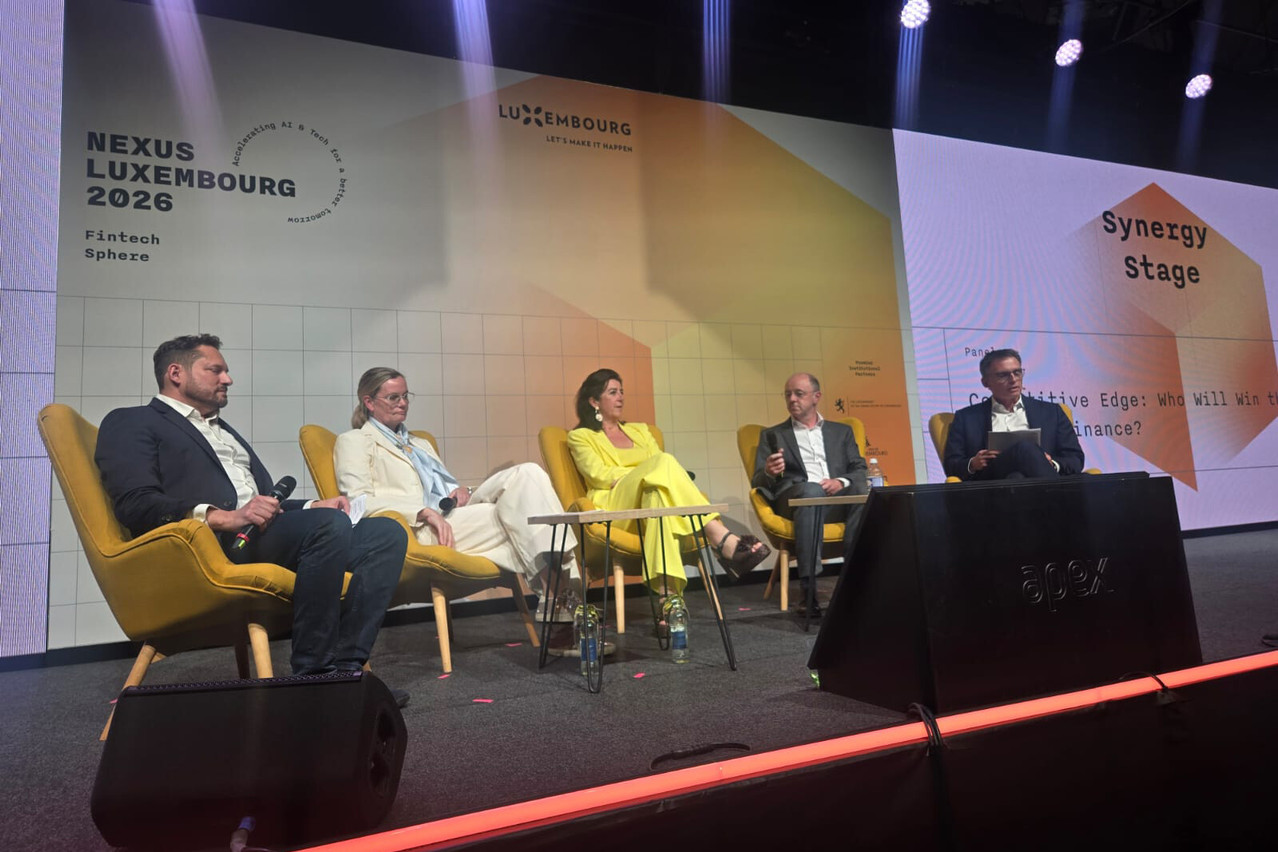
For more than a decade, the financial industry has framed innovation as a battle. Banks versus fintechs. Incumbents versus disruptors. Financial institutions versus Big Tech. Yet during a panel discussion at Nexus Luxembourg, industry leaders suggested that the terms of the debate may have fundamentally changed. Technology itself is no longer the differentiator. The real challenge lies in how organisations use it.
“The customer doesn’t wake up in the morning thinking: I need a better bank,” said Michael Pechner, managing director and board member at eBay. Instead, customers wake up wanting something much simpler. “They want less hassle in their lives.” That observation became one of the defining themes of the discussion.
Customers don’t buy technology
For years, financial institutions have invested heavily in digital transformation programmes. New apps. New platforms. New customer interfaces. New AI initiatives. But according to Pechner, technology should never be the starting point. The real question is not what technology can do. The real question is what problem customers are trying to solve. “Speed and convenience are what customers are looking for at the end of the day,” he said.
Consumers increasingly compare their financial experiences with the seamless journeys offered by Amazon, Apple, Uber or eBay rather than with competing banks. As a result, the institutions that win may not necessarily be those with the most advanced technology stack. They may simply be those that make financial services feel effortless.
Technology is becoming available to everyone
That reality is creating an unexpected challenge for financial institutions. Technology is no longer scarce. Artificial intelligence models are widely available. Cloud infrastructure has become mainstream. Digital platforms can be accessed by organisations of every size. Dave Sparvell, CEO of Swissquote Bank Europe, argued that this is reshaping the competitive landscape.
The traditional distinction between banks and fintechs is becoming less relevant because both increasingly rely on similar technological foundations. “Everybody uses the same providers, the same AI models and the same technologies,” was effectively the message emerging from the discussion.
If everyone has access to similar tools, then technology itself ceases to be a competitive moat. The differentiator shifts elsewhere. Trust. Execution. Customer relationships. Data. Brand.
Transformation is harder than innovation
For Isa Scheunpflug, COO and executive committee member at Bil, the challenge is no longer technological. Technology can be purchased. Transformation cannot. Financial institutions still need to redesign processes, simplify decision-making structures, reduce bureaucracy and retrain employees.
“We can buy technology,” was the underlying message. “But we still need to change the organisation.” That challenge is particularly visible with artificial intelligence. Many financial institutions now have access to powerful AI tools. Far fewer have successfully integrated them into day-to-day operations. The real work lies in adapting workflows, governance models and corporate cultures. The future of finance may therefore depend less on technological breakthroughs than on organisational agility.
Data becomes the new battleground
Another theme repeatedly surfaced throughout the discussion: data. For Scheunpflug, the future of innovation is inseparable from the quality of information available to organisations. “We need high-quality data,” she stressed. Artificial intelligence, automation and advanced analytics all depend on reliable information. Without strong data foundations, even the most sophisticated technologies struggle to create value.
This is increasingly true across every aspect of financial services: risk management, compliance, customer onboarding, fraud detection, wealth management, lending, investment decision-making. The institutions capable of organising, sharing and exploiting data effectively may gain a significant advantage over those that cannot.
Collaboration is becoming a competitive advantage
Perhaps the most surprising conclusion of the debate was the growing importance of collaboration. Financial services have traditionally been defined by competition. Today, some of the most critical challenges cannot be addressed alone. Cybersecurity. Operational resilience. Digital identity. Regulatory adaptation. These issues affect entire ecosystems.
Nadia Manzari, founder of Manzari Legal, highlighted the importance of working collectively on challenges that transcend individual organisations. Financial institutions increasingly need to share information, collaborate on resilience initiatives and engage jointly with regulators. The logic is straightforward. No single institution can defend itself alone against systemic cyber threats. No single player can shape future regulation independently. And no organisation can innovate effectively if the surrounding ecosystem remains fragmented.
Luxembourg’s next opportunity
The conversation also offered insights into Luxembourg’s future positioning. 
Luxembourg already possesses several structural advantages: a sophisticated financial centre, close relationships between industry and regulators, international expertise, political stability. The challenge now is ensuring that these advantages translate into leadership in digital finance.
Participants repeatedly returned to the need for talent development, digital skills and organisational transformation. Technology alone will not secure Luxembourg’s future competitiveness. People will.
The race is no longer about technology
The title of the panel asked who would win the technology race in finance. By the end of the discussion, the answer appeared surprisingly clear. Nobody wins because they possess better technology. The technology is increasingly available to everyone. The winners will be those who use it most effectively. Those who can transform their organisations faster. Those who can create trusted relationships with customers. Those who can collaborate across ecosystems. And above all, those who understand what customers actually want.
As Pechner reminded the audience, customers are not looking for better banks. They are looking for fewer obstacles. In a world where artificial intelligence is becoming commoditised, that simple observation may ultimately prove to be the most important competitive advantage of all.