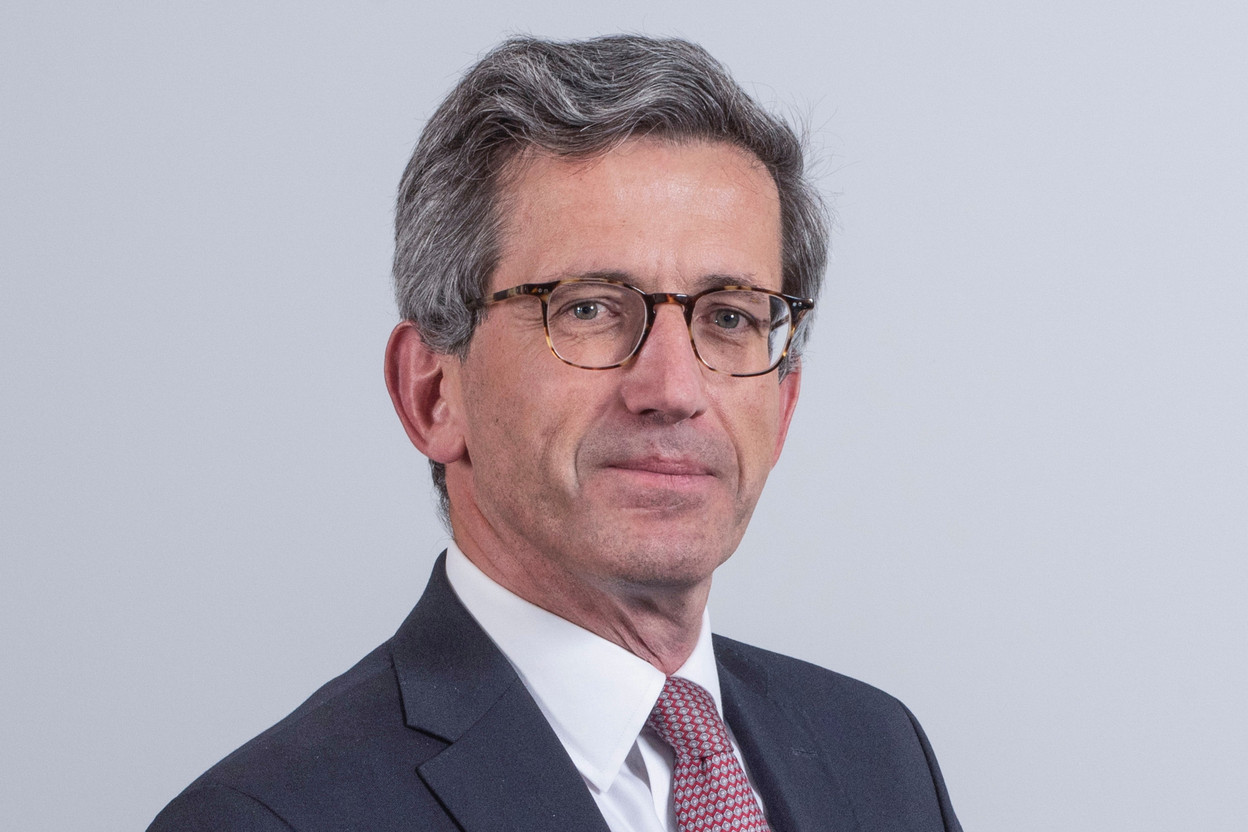
A more coordinated revamp of the EU’s Sustainable Finance Disclosure Regulation, instead of the piecemeal reviews currently in progress across different EU agencies, is needed to maintain investor confidence, Louis Lamotte has told Delano.
Despite confusion in the marketplace, Lamotte, managing director at JTC Global AIFM Solutions, said Luxembourg financial firms remained committed to ESG initiatives and preparing for regulatory changes.Lamotte echoed calls from a coalition of leading financial associations, including the European Fund and Asset Management Association and the European Banking Federation, that has formally requested the European Commission to enhance coordination on revisions to the SFDR rulebook.
JTC in Luxembourg, looks after about €8bn in assets under management and has 130 employees.
Kangkan Halder: Do you agree with Efama’s call to “delay technical changes by supervisors until a broader review of the SFDR is complete”? What are your reasons?
Louis Lamotte: Generally, there is a consensus that any specific changes to the SFDR legislation should be made alongside the European Commission’s ‘holistic review’ and not considered in separate silos. If they are not considered side by side, the worry is that this will reduce reliability in the disclosures and confidence placed in them by investors.
How do you perceive the lack of coordination in SFDR reviews impacting investor confidence in Luxembourg’s sustainable investments?
Despite calls to postpone, asset managers in Luxembourg are steadfast in their pursuit of environmental, social and governance (ESG) initiatives, maintaining their positions, and investor confidence, without wavering.
What would be the impact of postponing the adoption of RTS measures on Luxembourg funds, especially in terms of sustainable finance disclosures?
While the delay may seem like a setback, in reality there’s a collective understanding that it offers an opportunity for greater clarity and preparation, rather than regression. The industry in Luxembourg remains committed to progress, ensuring that this pause serves as a moment for refinement, not regression.
With the industry requesting additional time to implement SFDR changes, how prepared are Luxembourg funds for these adjustments?
Luxembourg businesses have already invested significant resources in improving their ESG reporting and transparency and are going to continue to maintain a competitive advantage over those that have not yet done so, especially if the delay prolongs the implementation timeline for the new rules. Those in Luxembourg who are eager to embrace ESG principles are utilising the extra time to delve deeper into adopting the European sustainability reporting standards, recognising the importance of aligning with global standards. Meanwhile, those less enthusiastic about ESG are continuing to keep a watchful eye on developments, so that they are well placed to act when necessary.
What do you anticipate for the future of sustainable finance disclosures in Luxembourg, and how should funds prepare for the evolving regulatory landscape?
It’s important to note that investors and stakeholders increasingly consider ESG factors when making investment decisions, regardless of any delay. That being the case, Luxembourg funds may face pressure to maintain or even enhance their ESG performance in any case, despite any delay in regulatory requirements.