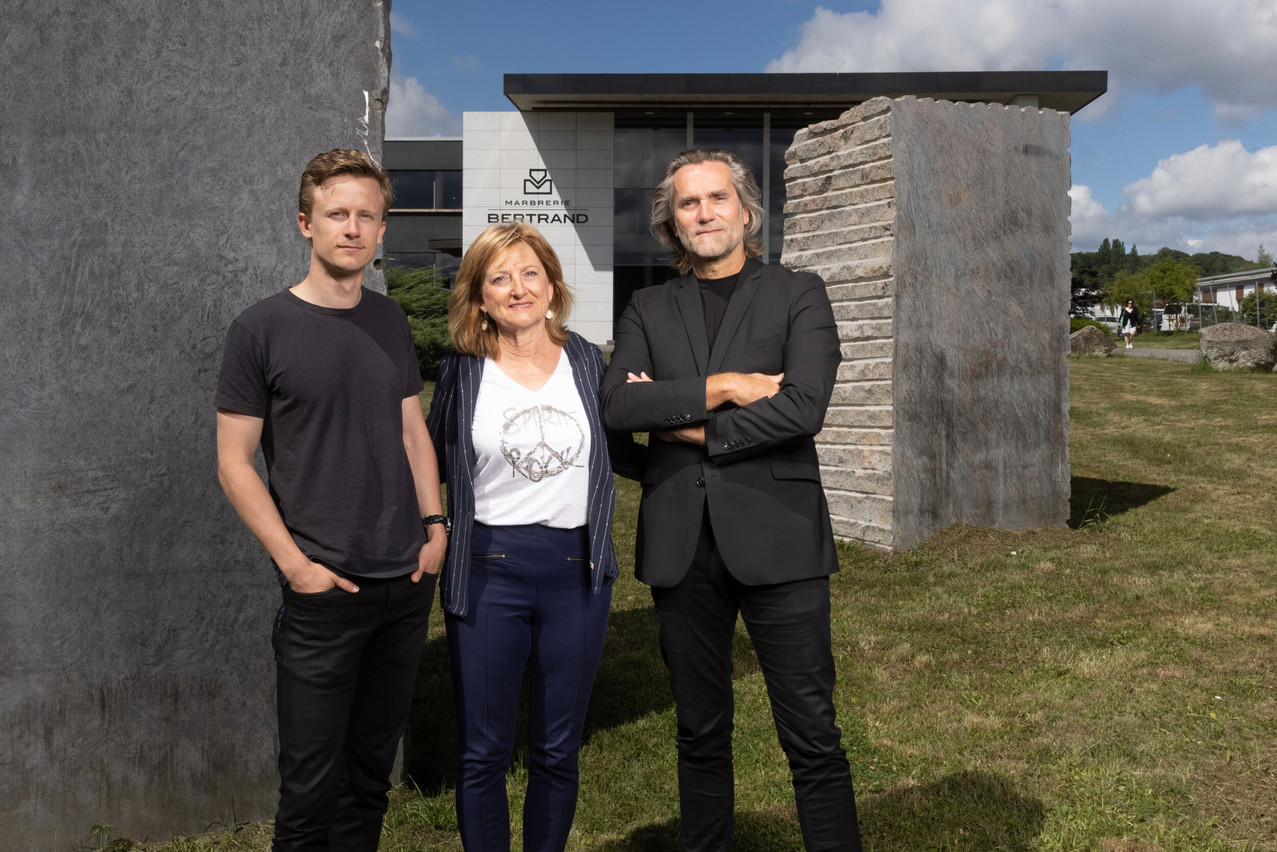
A family-run business founded in 1902 and specialising in natural stone, Marbrerie Bertrand has a history stretching back over a century. It supports architectural and design projects, from façades to interior spaces, with expertise covering the selection, processing and installation of materials such as marble, granite, quartzite, limestone and onyx. Over the generations, the company has evolved from a sculpting workshop into an integrated organisation, managing the entire value chain, from sourcing to project management.
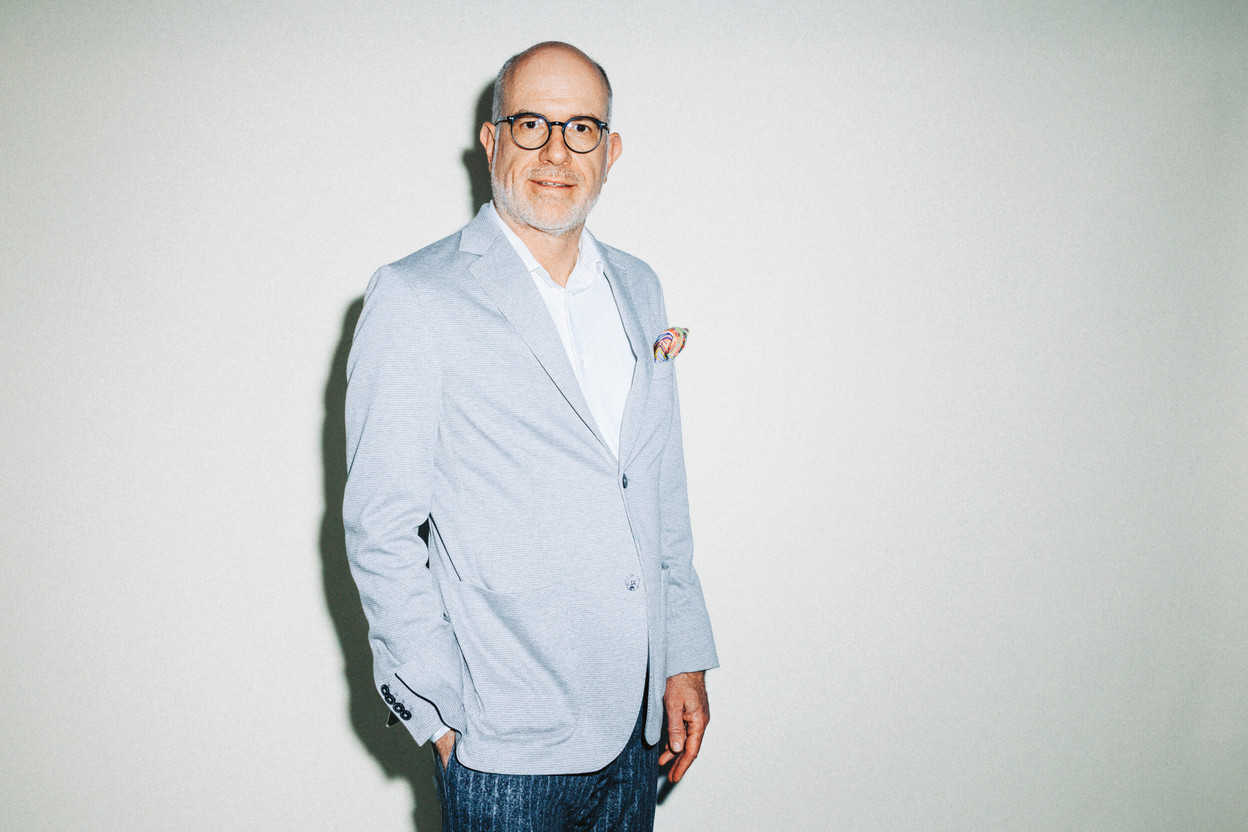
Today, it operates from a dedicated workshop and showroom, supported by an international network of suppliers. Led since 2020 by Stéphane Lenert alongside the Bertrand family, the company has modernised its processes and strengthened its market position during the pandemic. It is also continuing to develop sustainable initiatives, notably through the use of renewable energy and a focus on reducing its carbon footprint.
In your view, what is the main lesson you have learnt from your experience with succession planning and engaging the next generation within your company?
Stéphane Lenert – “At Marbrerie Bertrand, we don’t think in terms of succession, but of resilience. We’re working to build the business so that succession isn’t a one-off event, but a natural consequence of the passage of time.
How do you manage to balance the family’s expectations with the company’s economic and strategic imperatives?
“In practical terms, we always apply a two-pronged approach: does it strengthen the business financially, and does it align with the long-term vision the family wishes to uphold? For example, a current challenge is to professionalise management without compromising the family’s DNA. However, although there might be some tension here, there is no contradiction, as the family’s DNA is geared towards the company’s prosperous, long-term development. Economic imperatives such as professionalising management are therefore ultimately part of the family’s long-term vision.
Which decisions or developments in governance or the professionalisation of management have had the most significant impact on your company?
“The turning point came when we introduced rigorous financial analysis at departmental level. This brought to light what had previously been merely intuitive. The discomfort stems from transparency: when the figures speak for themselves, certain difficult conversations can no longer be avoided. But it is precisely this rigour that enables a century-old company to continue to grow and preserve its artisanal expertise.
How does your company balance the need to honour its heritage with the need to innovate or transform itself in order to remain competitive?
“There can be no betrayal as long as the company thrives and benefits its stakeholders: employees, customers and the community. Each generation brings its own entrepreneurial perspective, within its own historical and economic context. What ensures consistency, therefore, is not the activities themselves, but the guiding principles: value creation, benefit to the community, integrity, and a long-term perspective. Times change, and so do we – and that is healthy. The limit, therefore, lies not in what we do, but in why and for whom we do it.
We are not daunted by international competition. Our local roots, our in-depth knowledge of the area and our close relationship with customers are our strengths.
What strategies have been most effective in developing your product or service offering whilst remaining true to the company’s core values?
“The key is to listen to the market without compromising our expertise. Natural stone remains our core business, but uses are evolving – expectations regarding design, lead times and overall service are changing. This brings us back to our core values and principles: we have always sought to combine genuine expertise with serving the public good. So the question is simple: within the scope of our expertise, how can we be of the greatest use and most effective for our clients and our community?
How can a family business attract and retain key talent in an increasingly competitive environment?
“What makes the difference is the meaning and the impact. In a family business like ours, every employee sees the direct impact of their work – on the project, on the client, on the team. There is no bureaucracy to dilute accountability. We offer what large corporations cannot: a close-knit atmosphere, autonomy, and the pride that comes from contributing to something tangible and sustainable. Loyalty comes naturally when people feel valued and respected.
How has increased international competition in your domestic market changed your positioning, organisation or strategy?
“We’re not afraid of international competition. Our local roots, our knowledge of the area and our close relationship with customers are advantages that are hard to replicate. But beyond that, we can also compete on value for money: being here, locally, offering local products and services, is in itself an economic advantage. As for the rest, international pressure simply pushes us to be more efficient – to improve our processes and invest in the right tools. It’s not that easy to do what we do. At best, it’s an incentive that keeps us alert and innovative.”
This article was written for the June 2026 issue of Paperjam magazine, published on 20 May. The content is produced exclusively for the magazine. It is published on the website to contribute to Paperjam’s comprehensive archive. Click on this link to subscribe to the magazine.
Is your company a member of the Paperjam Club? You can request a subscription in your name. Please let us know via club@paperjam.lu