Based on the format of a hackathon, where people come together for a short period of time to brainstorm on finding a solution, a Shapeathon brings together associations and pro-bono advisors to provide support in finding solutions to NGOs’ issues.
It doesn’t matter what the issue is--it’s up to the NGO to decide what kind of problem they’d like to bring to the table, explained Letizia Castellano, one of the organisers of the Shapeathon. The goal is for all the associations who attend the event to come away with a solution and a plan that they can implement.
An additional aspect of the Shapeathon in Luxembourg is a pitching session, which allows NGOs to leave with an additional skill. Participants are coached in preparing a five-minute presentation, and then a jury will decide on a winner--Cheryl Ury (representing Luloop, a deposit system for reusable cups) was the winner at the last year’s event.
But it’s not a pitching competition, noted Castellano. It’s also about which NGO has a plan that would allow them to deliver the best impact afterwards. “There’s always this aspect of impact that we really care about in the Shapeathon.”
So how does a Shapeathon work?
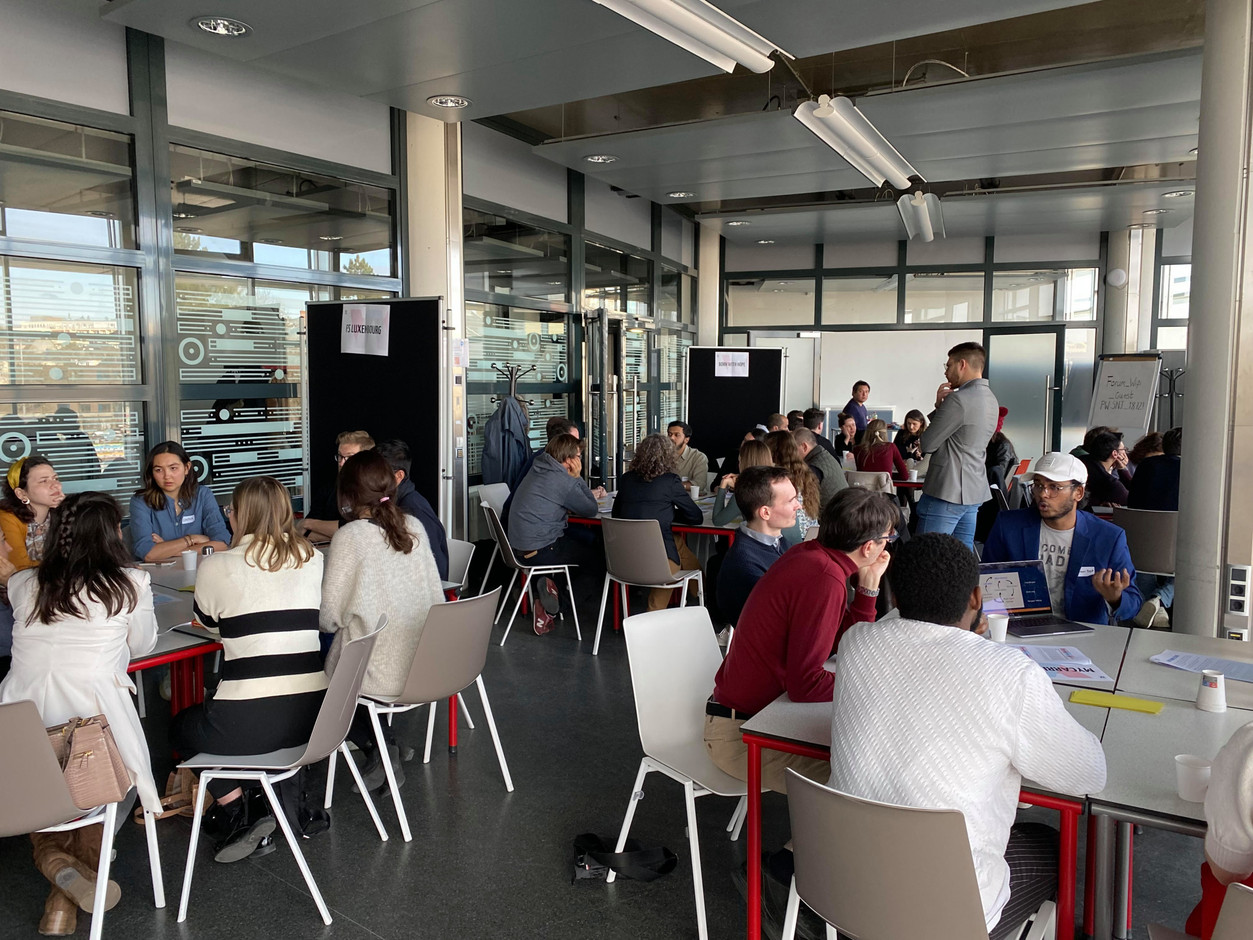
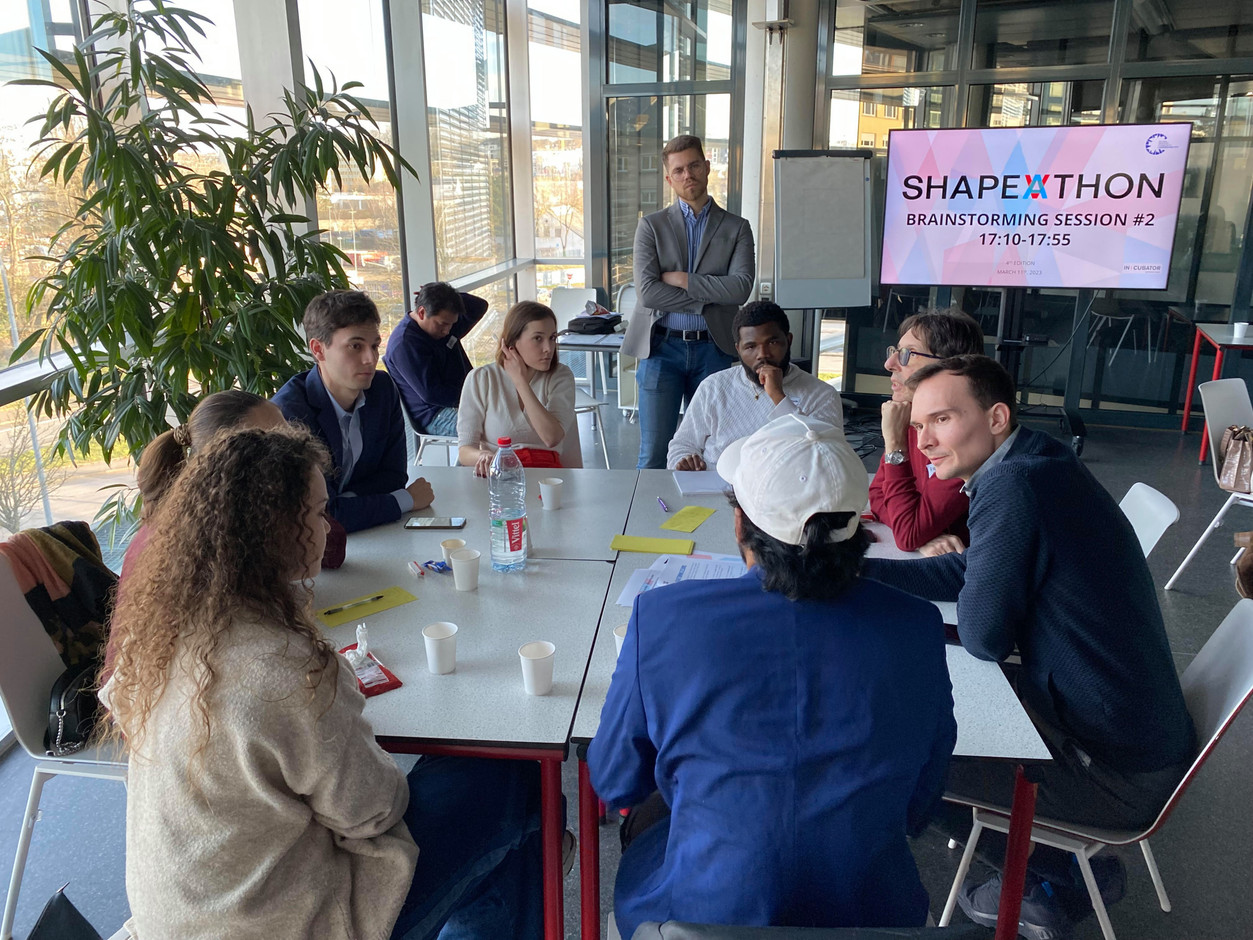
The Shapeathon is made up of three 50-minute sessions during which advisors and NGOs will work together to understand the issue, brainstorm and identify a solution, then create a plan for implementation, explained Castellano, and there’s a few minutes at the end to prepare the pitch. But it is quite flexible, “and we don’t want anybody to feel super rushed.”
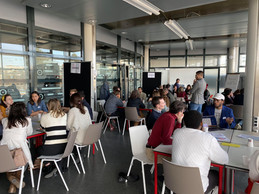
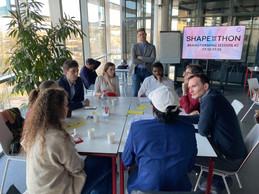
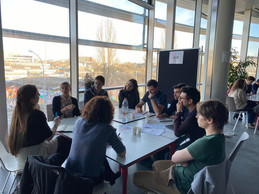
Any background is welcome
In order to get advisors, the Shapeathon organisers “tap a lot into [their] network,” explained Castellano. “But we also want to have different opinions and different perspectives.” Let’s say the problem the NGO is focused on relates to better recruitment. “This is the kind of question and burning issue that doesn’t require any kind of specific background.”
“But we usually try to understand in advance what are the issues that will be brought to the table, and based on the background that each advisor has indicated to us, we try to do an allocation.” This aims to ensure that each person will be able to contribute to the best of their ability.
Anybody is invited to be an advisor, but a common response that they hear from potential participants is: “Oh no, I don’t think I can. I’m not qualified.” But it’s these people who, at the end of the day, come back and say that they were able to contribute. “The energy that is created around the table, the excitement… really allows you to contribute without any kind of fear.” On top of that, each session is only 50 minutes long--so it’s important to get to work right away, said Castellano.
Ury noted that she had a similar feeling as a participant. “I was the only one-person team, and there were other ones that were quite a big group, and I thought, oh. There’s no chance,” she said. Looking back, “I think that for people that are just on their own, and trying to start a project, and just beginning--also for them, it’s a really great opportunity. It’s not just for NGOs that are already big, or bigger teams.” Even as an individual entrepreneur or activist, “you’re really taken seriously and get your chance.”
Different ideas from different backgrounds
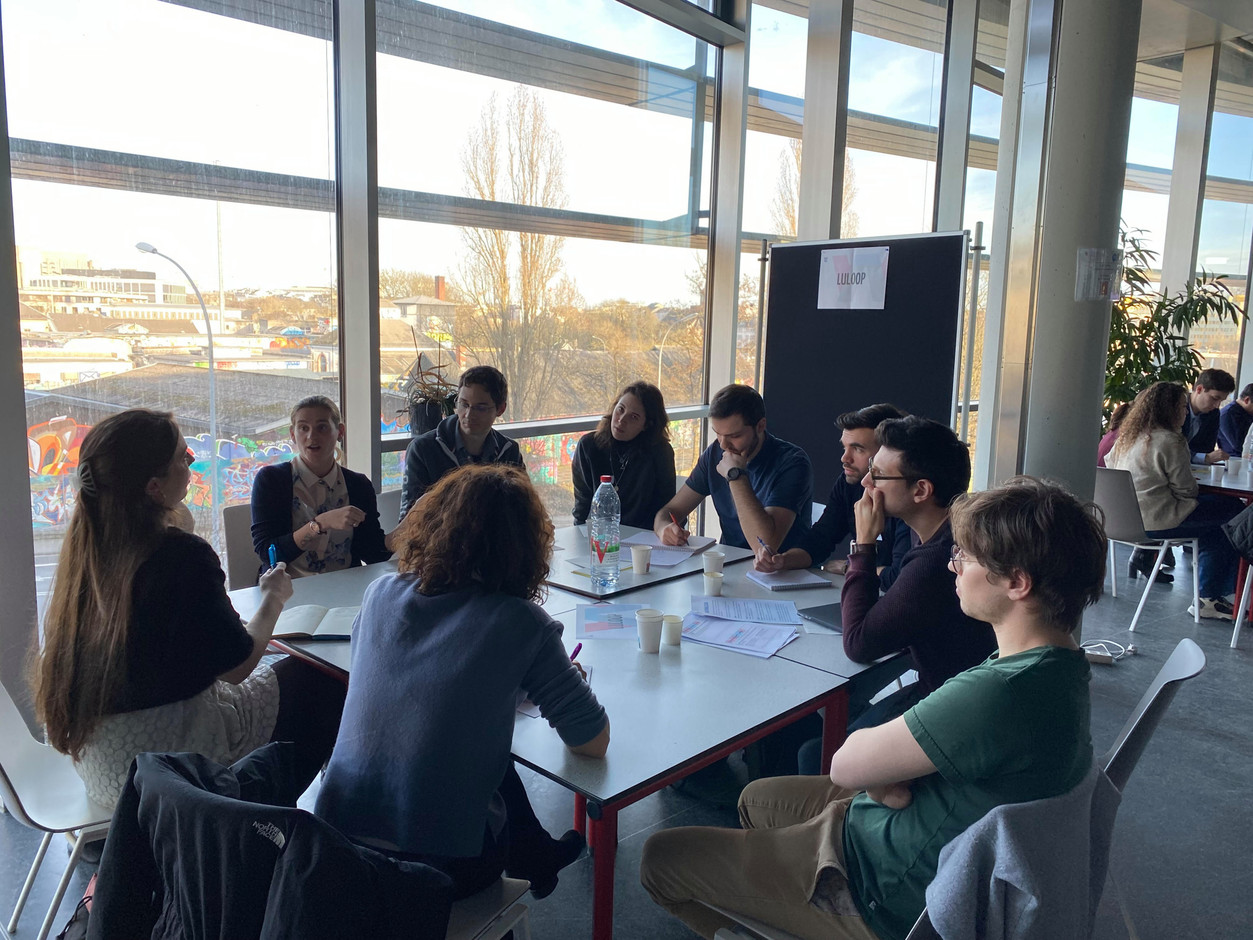
Last year, the issue that Ury brought to the Shapeathon was the development of an app through a relatively cheap, non-coding solution for Luloop. “We came there, presented the whole thing and where the problem was lying,” she said, explaining her experience. “During the day, you actually think about the whole process with the team.”
The focus was also on what was realistic and what could actually be established, she added.
“It was a great day. There were different people sitting around this table,” said Ury. “They had all different ideas, they came from different backgrounds. The first hour, you don’t know each other so well. But then afterwards, it really got very simpatico. And with the pitching session, it was really a little bit like teamwork, where they were, like, really supporting you mentally, which I really appreciated.”
At the end, their project was launched in a slightly different manner, explained Ury, but the experience “made me dig much deeper in this non-coding world… It really gave a direction.”
Most important is that everybody gets something out of the day
“The most important thing is that all the NGOs and startups get out of the event feeling that they have gotten something out of the day, that they feel like they are one step closer to solving the issue, that they’ve made contacts,” said Castellano. There is a monetary prize, but this is more the “cherry on top,” she said. “Last year, Cheryl [Ury] even forgot that there was a prize!”
“Honestly, I didn’t know in advance!” Ury laughed. “I just thought, like, that’s a really great opportunity to just discuss and get this collective knowledge.”
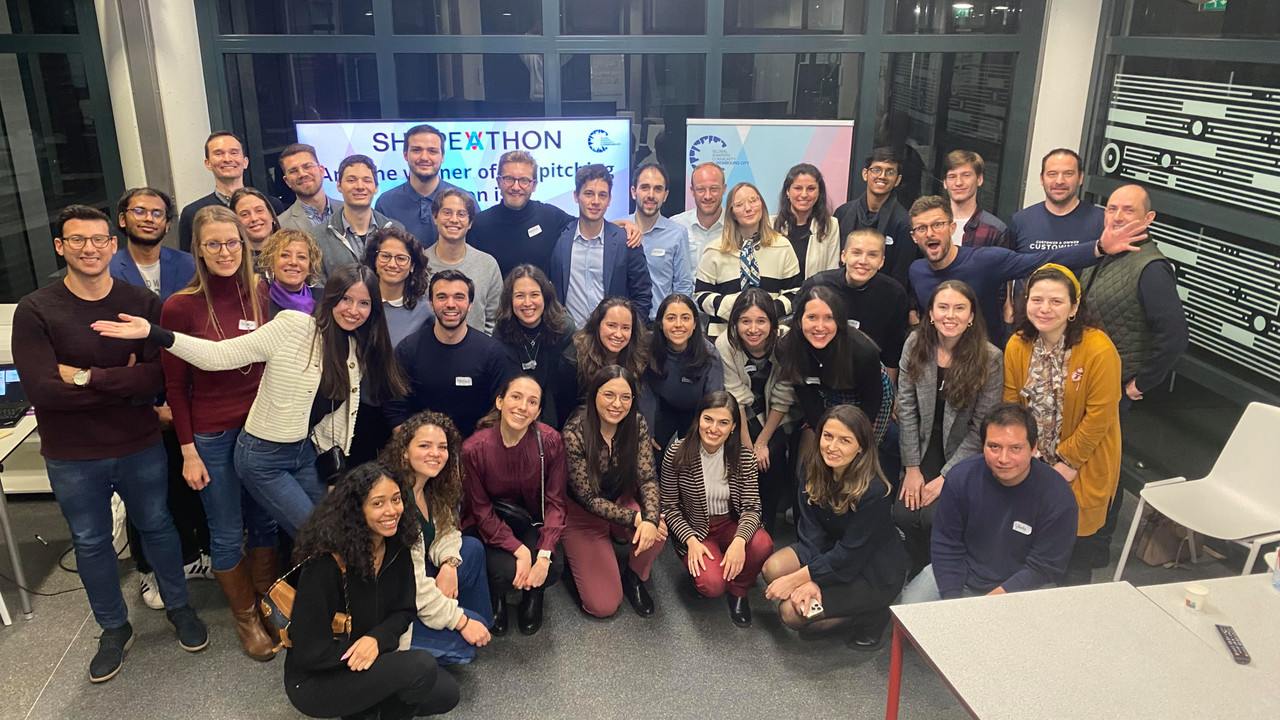
“The most important thing is that all the NGOs and startups get out of the event feeling that they have gotten something out of the day, that they feel like they are one step closer to solving the issue, that they’ve made contacts,” said Castellano. Photo: Shapeathon
The Shapeathon initiative always tries to obtain financial support for the NGOs that come to the Shapeathon, but given that they are themselves an NGO, these amounts are not granted. “Every year, it depends on the support that we can get,” explained Castellano.
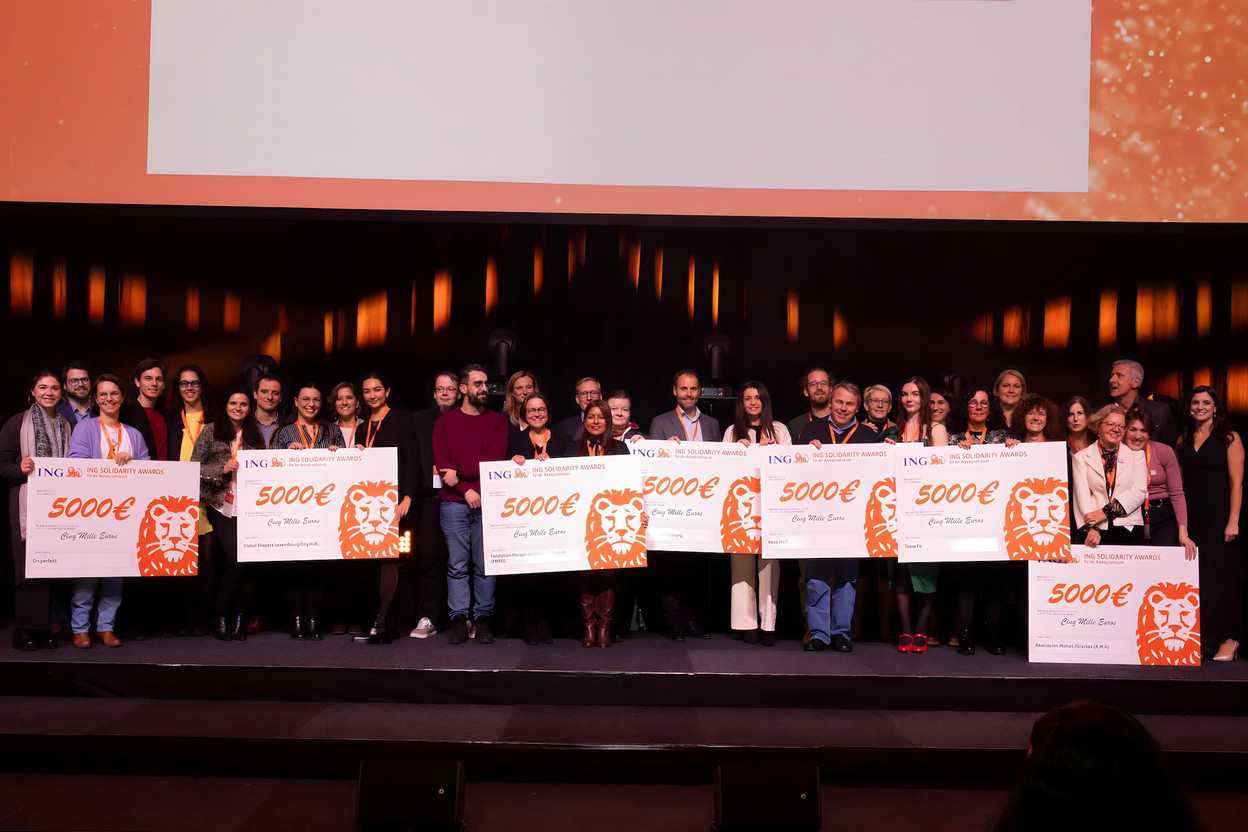
ING Luxembourg at its annual solidarity awards in December 2023 awarded the Shapeathon initiative €5,000 in the financial inclusion category, “which means we can support more NGOs this year,” added Castellano, and she noted that the idea is to have a (smaller) second and third prize, in addition to the first prize this year. Four NGOs have so far confirmed their participation, but another three to four may also participate.
And while Luloop is not an NGO, as Castellano and Ury pointed out, the Shapeathon is also open to startups that could have a positive impact on society.
Find more information and sign up to be an advisor at this year’s Shapeathon here.