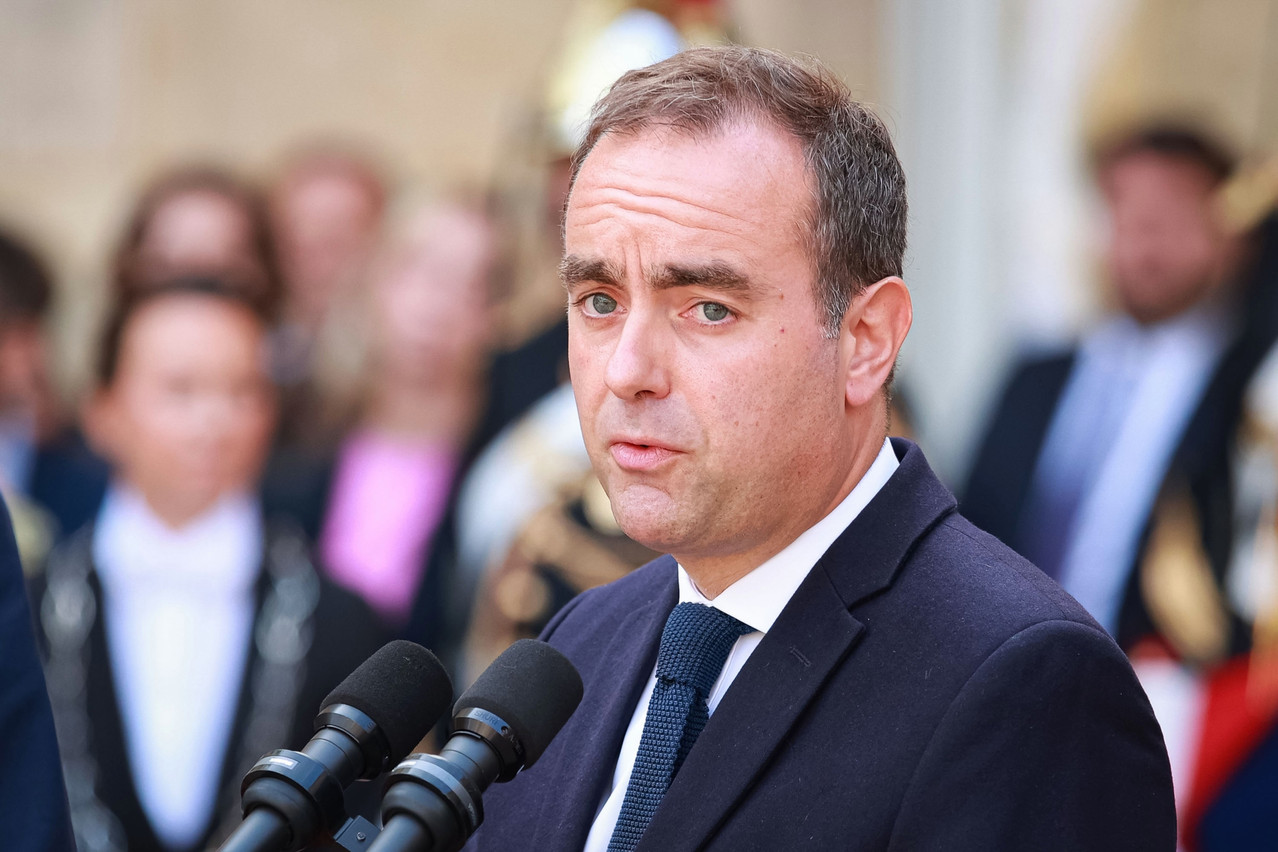
In a solemn declaration, the head of government explained that in recent weeks he had tried to "build the conditions" to enable the State and social security budgets to be adopted, while engaging in dialogue with the social partners and political groupings. But, he admitted, "on this Monday morning, the conditions were no longer met for me to carry out my duties as Prime Minister and enable the government to go before the National Assembly tomorrow".
Sébastien Lecornu detailed three main reasons for his departure. Firstly, the difficulty in convincing the political parties to debate a budget without resorting to the controversial Article 49.3 of the Constitution. The former Minister for the Armed Forces had announced his intention to break with this practice, perceived as authoritarian, in favour of open parliamentary debate. But, in his view, this outstretched hand did not find an echo: "The political formations sometimes pretended not to see the profound break represented by not using article 49.3". The Prime Minister then denounced the attitude of the parties, whom he accused of behaving "as if they all had an absolute majority in the National Assembly". He claims to have sought compromises, without success: "Each political party wants the other to adopt its entire programme." Finally, Lecornu acknowledged internal tensions in the very composition of his government, where "partisan appetites" are said to have been reawakened in the run-up to the 2027 presidential election.
In an emotional and bitter message, the now ex-Prime Minister called for a collective leap forward: "It wouldn't take much for it to work. (...) You must always prefer your country to your party." Sébastien Lecornu concluded by thanking "those who get involved" and reaffirming his faith in social and parliamentary democracy, referring to his career "as an activist, mayor, department president and senator".
Emmanuel Macron must now appoint a new Prime Minister and form a team capable of presenting a budget before the end of the autumn. No indication has yet been given of the successor to Sébastien Lecornu, whose appointment to Matignon last September had already marked an inflection towards a more political and conciliatory profile.