Can Luxembourg’s economic growth continue along the same lines as it has over the past few decades?

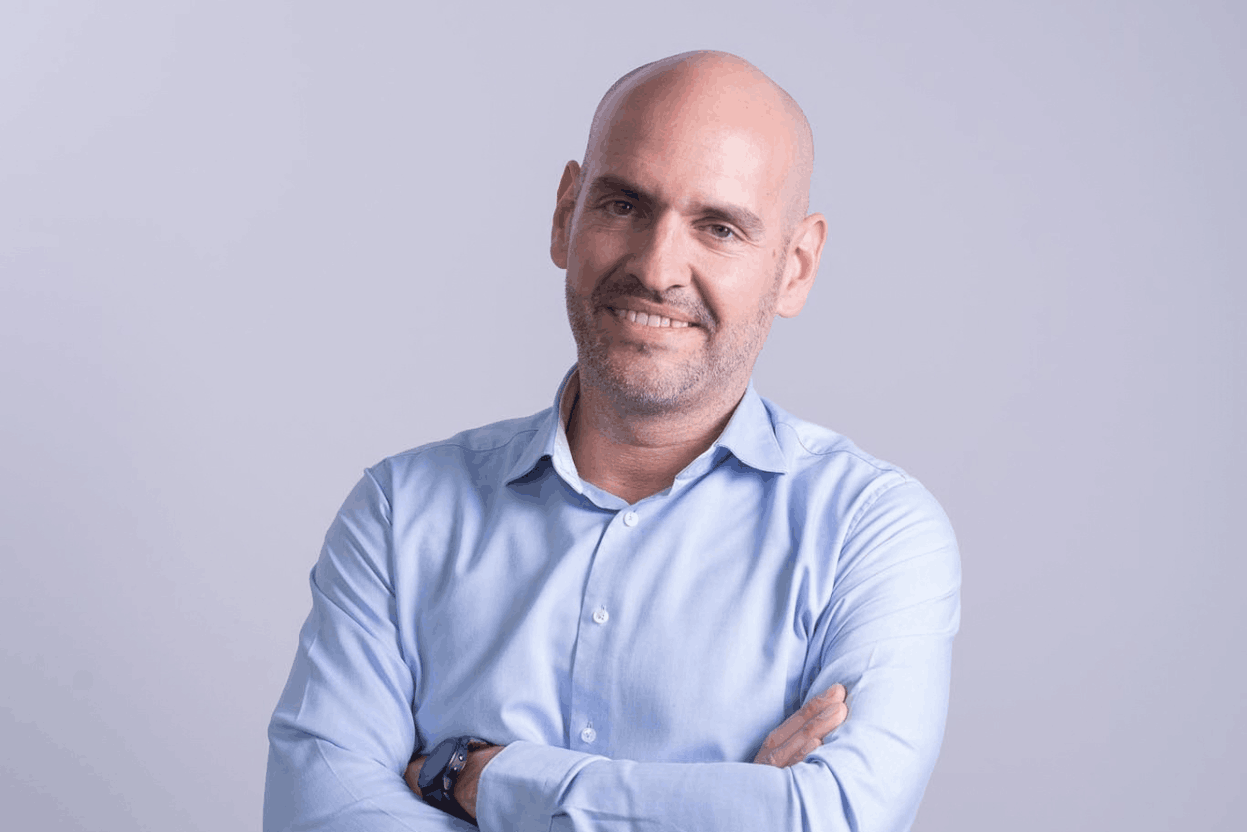
Our economic portfolio, in which knowledge-intensive services play a significant role, exposes us more than many other countries to the transformations brought about by AI. This exposure can become a strategic advantage: making Luxembourg the country where the best talent finds more opportunities than elsewhere to enhance their capabilities and realise their full potential through AI.
This requires joint investment, with boldness and determination, in technology, training and the transformation of organisations and the world of work. In the future, our appeal will depend as much on our ability to attract talent as on our ability to enable them to innovate, learn and realise their ambitions.
How can research help businesses and decision-makers make better decisions in an increasingly uncertain environment?
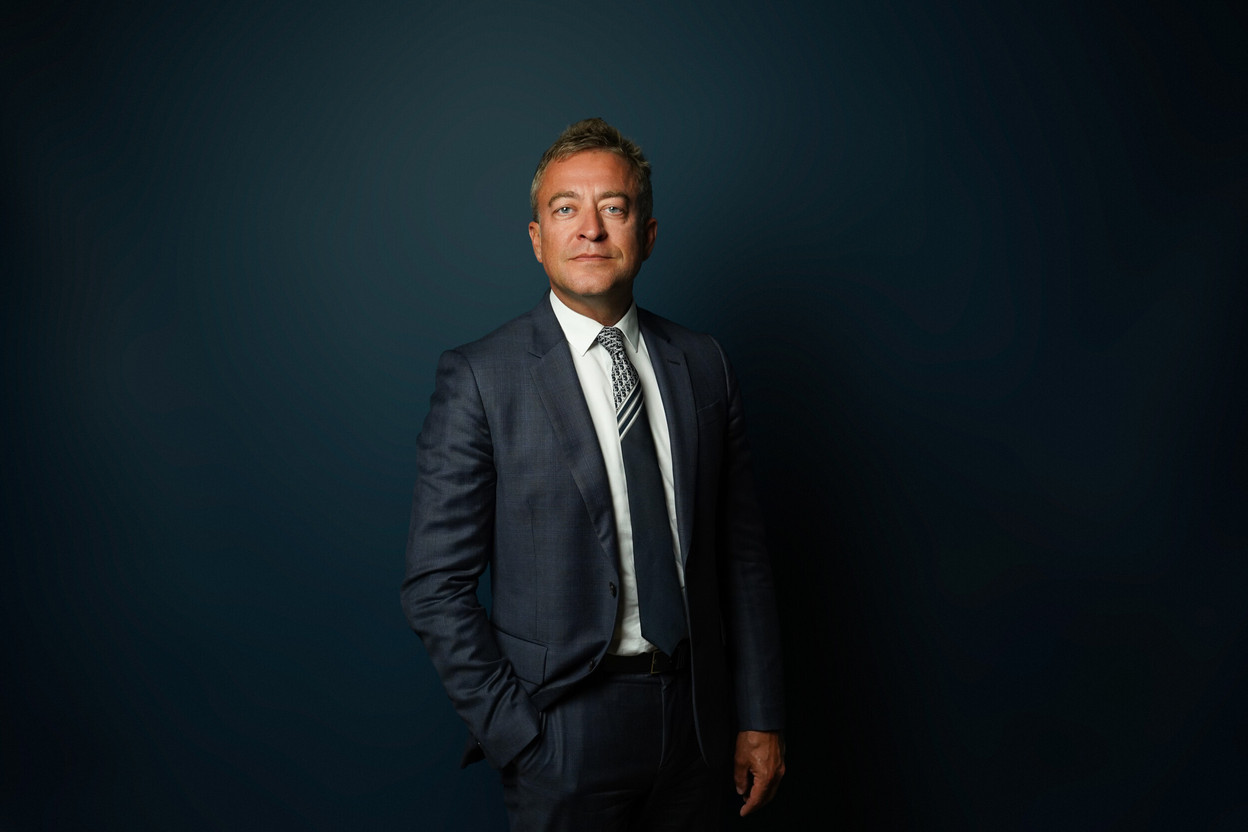
“The purpose of research is not to predict the future, but to enable better decision-making in the face of uncertainty. It brings to light the mechanisms, trade-offs and consequences of decisions, for which decision-makers remain responsible. By combining data with the knowledge and experience of citizens, economic actors and public authorities, it turns foresight into a collective capability. Effective public policy must be able to test its assumptions, monitor the implementation of reforms, measure their effects and adjust them where necessary.
Results that differ from those expected provide an opportunity to learn and improve; the real failure would be to refuse to measure them or to correct what is not working. For a small country like Luxembourg, understanding sooner, acting faster and learning continuously can constitute a decisive competitive advantage. Thanks to the close collaboration between researchers, public decision-makers and economic stakeholders, we have the opportunity to become a European benchmark in translating knowledge into action.
What might a more competitive, more sustainable and more inclusive Luxembourg look like in 2035?
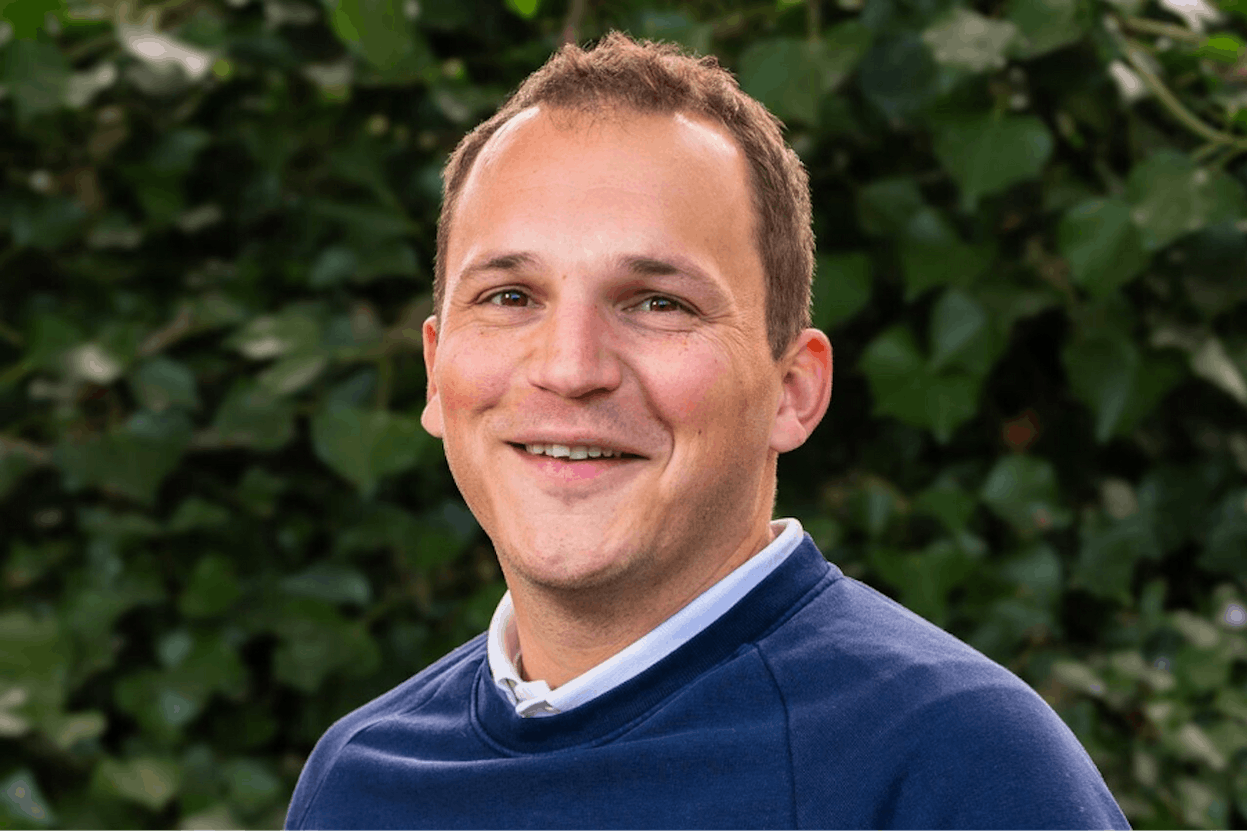
“I would like to see a Luxembourg where everyone can find their place and where the energy, creativity and ambitions of young people can be fully realised. A country that combines innovation, openness and scientific rigour to meet the challenges of tomorrow. I hope that all sections of our society, whatever their backgrounds, feel fully part of a shared vision.
Competitiveness, sustainability and social cohesion are not mutually exclusive: they reinforce one another when everyone is able to develop their potential and contribute to the common good. For me, our success will be measured above all by the confidence of our young people: feeling at home, believing in their future and having the courage to build it. Our responsibility is to pass on to them a country that gives them the means to turn their dreams into reality.”
This article was originally written in French, translated and edited for the Paperjam website in English.