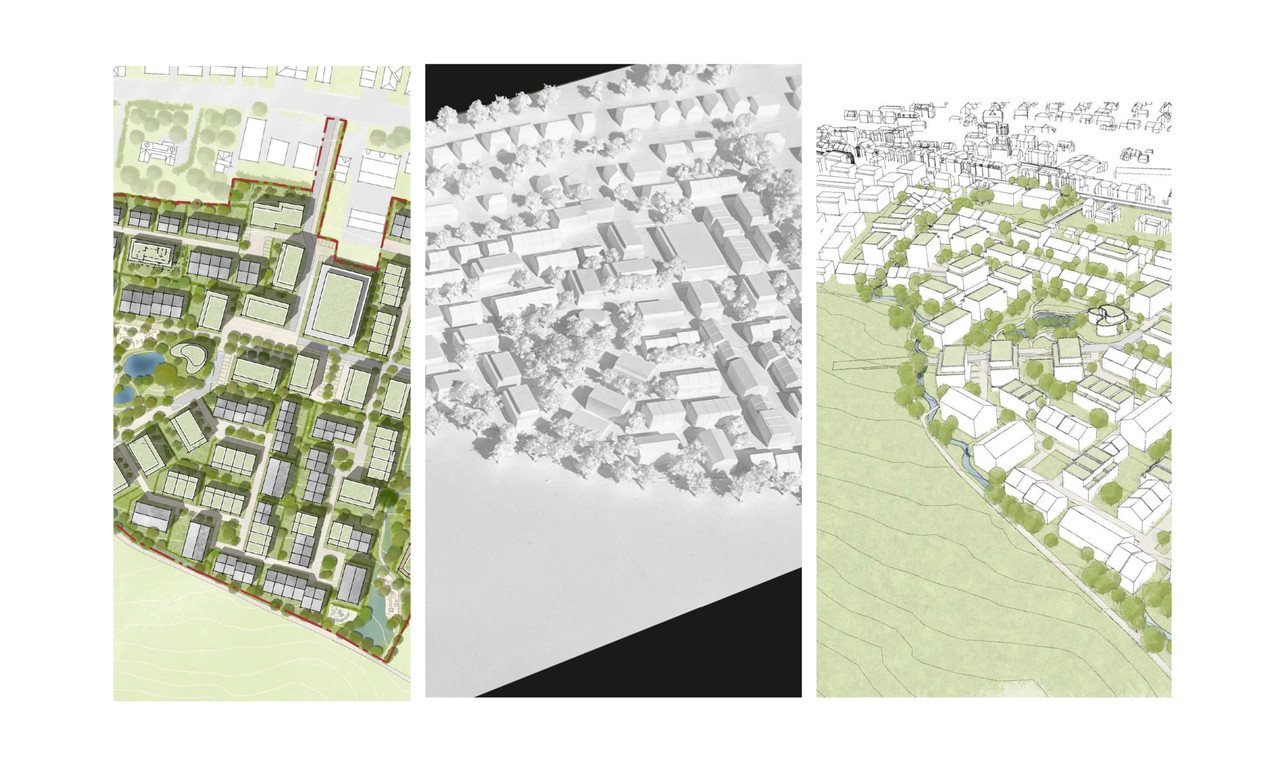
In a constantly shifting regulatory landscape, PAP NQs remain key tools for urban development. Thanks to its cross-disciplinary expertise in urban planning and architecture, Uma helps transform complexity into clear, fast and actionable processes that bring projects to life.
Introduced under the Pacte logement 2.0, Article 29bis has become a central instrument in the State’s ambition to boost the supply of affordable housing in new neighbourhoods. These developments underline a key principle: every project must evolve with its environment. For owners and developers, this may create uncertainty – but for Uma, it represents an opportunity to turn complexity into clarity, fluidity, and concrete results.
What Article 29bis changes
From 1 January 2026, the reform of Article 29bis will simplify the integration of affordable housing into PAP NQs. It will harmonise mandatory thresholds (15%, 20%, or 30% depending on the zone), exclude such housing from the PAG density calculation, and introduce transfer caps. Targeted exemptions — for example, in parking — will complement the new framework. The existing +10% density bonus, already available for private projects, will now extend to public investments. Crucially, Article 29bis will use only the Gross Built Area (GBA) dedicated to housing as the basis for calculation, ensuring a transparent and consistent approach to determining requirements.
Uma Architects, your strategic partner
Uma supports clients in developing bespoke strategies that leverage both the constraints and the new opportunities of the reform. Drawing on its dual expertise in urban planning and architecture, the firm works closely with local authorities, technical departments, and the Ministry of the Interior’s consultation platform to anticipate expectations and maximise each site’s potential. This collaborative approach enables Uma to defend its clients’ interests effectively while fostering a climate of trust with the authorities.
Each PAP NQ developed by Uma undergoes a comprehensive analysis of land-use coefficients to unlock the site’s full potential, without compromising architectural or urban quality. The aim is not merely to meet regulatory thresholds, but to create vibrant, well-balanced neighbourhoods that combine housing diversity, functional integration, soft mobility, and generous, high-quality public spaces.
Uma acts as a mediator between developers, municipalities, government services, and public stakeholders, helping reconcile economic feasibility with urban excellence. Far from being a constraint, a PAP NQ – when guided by UMA – becomes a genuine lever for land value and sustainable territorial development.
Through this approach, Uma turns regulatory complexity into a clear, creative, and forward-looking process, shaping neighbourhoods that meet human needs and deliver lasting value for communities.
For more information, write to smichaux@uma-archi.lu or visit www.uma-archi.lu.
A full version of this article is also available in French.
This promotional article was written by Uma Architects as part of the company's membership of the Paperjam Club. If you would like to become a member of the Club, please contact us at club@paperjam.lu.