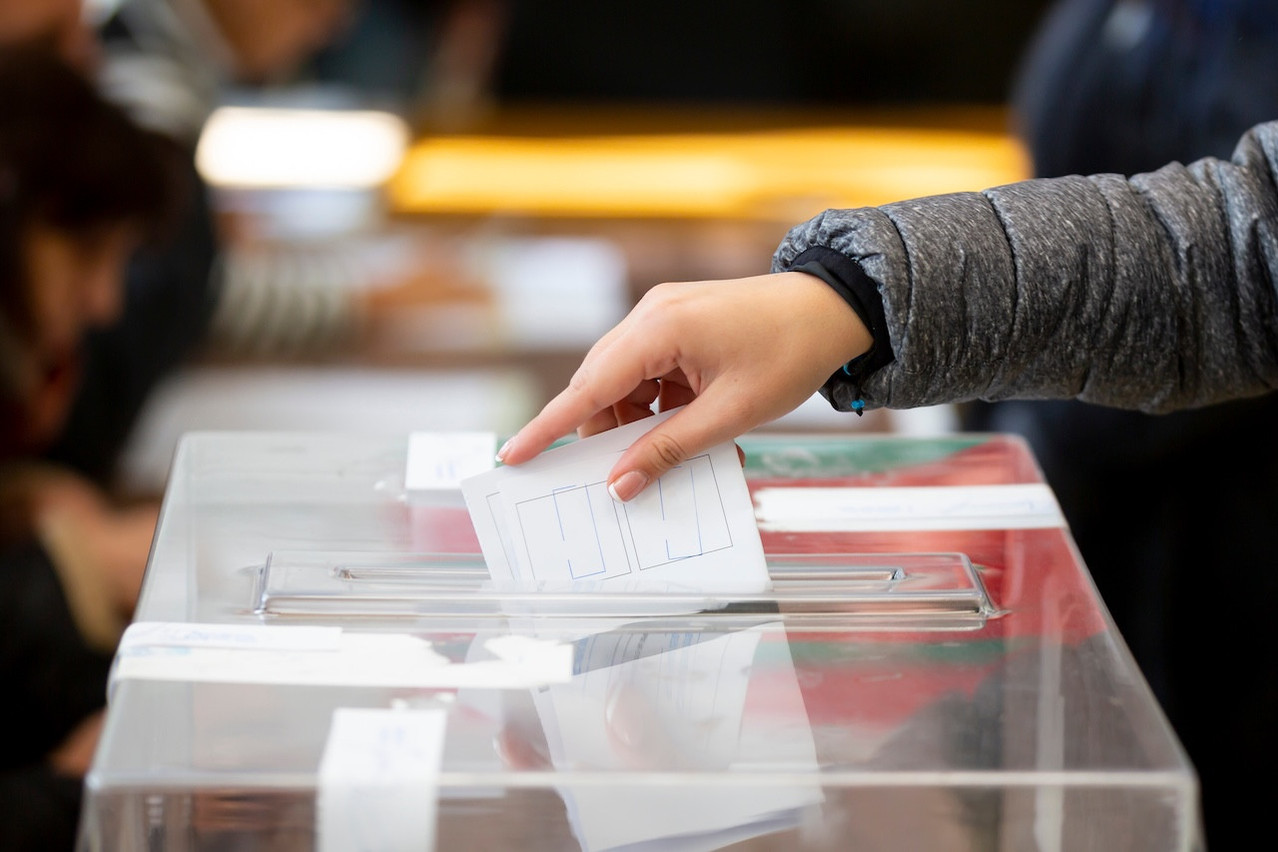
Is Luxembourg a democracy perceived in the same way by all its residents? According to the results of the Polindex 2025 research note, the answer is sharply nuanced. Carried out among 1,637 residents between May and June 2025 by the University of Luxembourg’s chair of parliamentary studies on behalf of Luxembourg’s parliament, this scientific survey analyses changes in individual values through the prism of gender. The major finding is clear: gender is a structural variable that shapes political interest, trust and expectations in the Grand Duchy.
Emotional asymmetry
The study immediately points to a glaring difference in everyday feelings. While the majority of men express a feeling of well-being, women report a more pronounced weariness. This discrepancy is also reflected in lower life satisfaction among women, who perceive more structural constraints (social, professional or family) weighing on their freedom of choice. This female caution is mirrored in the economic arena: women are more pessimistic or vigilant when it comes to the financial ups and downs the country is going through.
Two visions of the emergency
While there is a consensus on the housing crisis, identified as the number one challenge by both genders, the prioritisation of other issues differs. Women give greater priority to social and human issues - health, family, the fight against unemployment and discrimination - while men put macro-economic and institutional issues such as taxation, economic competitiveness and security at the forefront of their concerns.
Politically, these sensitivities are reflected in a slight shift on the chessboard: women position themselves slightly more to the left than men, the latter also being more present at the extremes, particularly on the far right.
A representation deficit for women
One of the clearest points of rupture concerns the representation of women in politics. The study stresses that the low presence of women in decision-making bodies is not a statistical abstraction but a “lived reality”. A majority of women feel that they are insufficiently represented in Luxembourg’s parliament, in government and within parties, while men often consider this representation to be satisfactory. This observation fuels divergent expectations about solutions: women are clearly more in favour of introducing quotas or corrective measures, while men favour a “natural” or meritocratic vision of access to power.
Towards two conceptions of democracy
These results suggest that Luxembourg has two complementary visions of its political system. On the one hand, there is a masculine vision, focused on performance, the stability of institutions and a priori confidence in established structures. And on the other a female vision, more critical and demanding, focused on inclusivity, social justice and increased vigilance towards the dysfunctions of the system.
Far from being a sign of disengagement, this female stance reflects a more reflexive relationship with politics, where information is constructed more through social and interpersonal exchanges than through traditional media channels alone. For the authors of the study, integrating this gender perspective is now essential to guarantee the vitality and legitimacy of Luxembourg’s democracy, say the report’s authors, Claire Poumarat, Agnès Darabos and 
The full report can be read here.