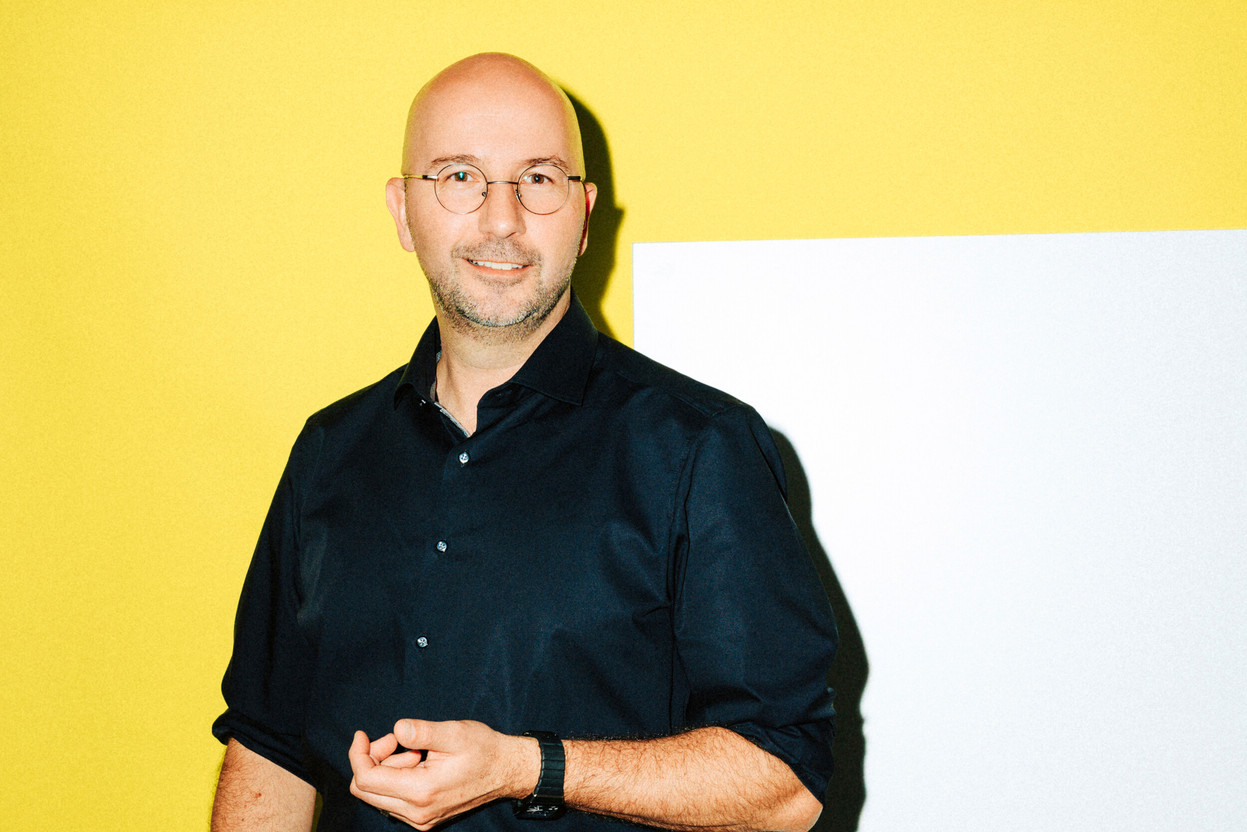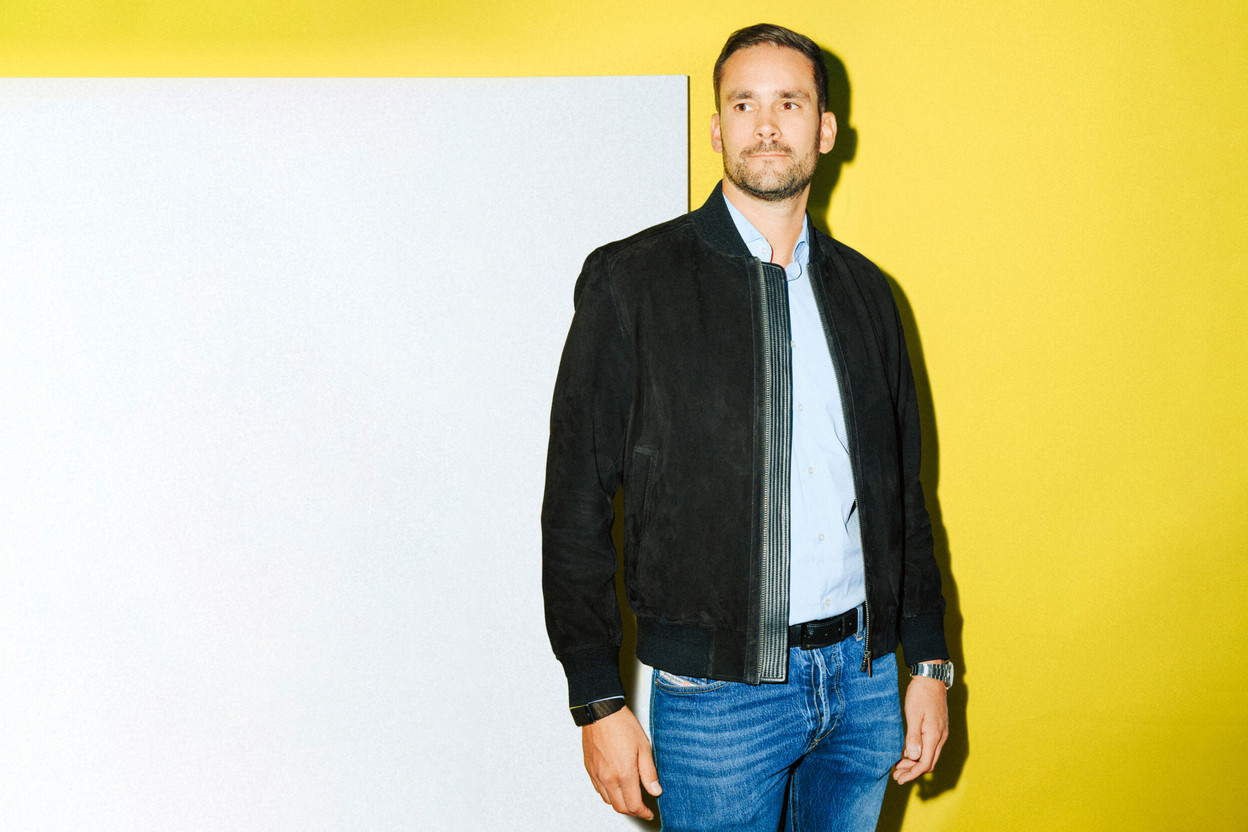
What is an ergonomics designer?

How do you actually analyse operators’ working conditions?
“I wear the same clothes as them and accompany them from morning till night. I try to understand what they actually do, beyond what the procedures describe. This approach has enabled me to explore behind the scenes at Roissy Airport, salmon processing lines in Norway and even large steelworks. It’s precisely what goes on behind the scenes that interests me.
Do the difficulties faced by businesses stem mainly from the employees?
“No, they generally stem more from the organisation and management. I say this deliberately provocatively: there are, for the most part, bad managers. When employees are allowed to express their expertise and passion, they naturally come up with solutions that improve both their working conditions and the company’s performance.
My greatest reward, however, will always be hearing an operator tell me, six months after our intervention, that they no longer go home with a back pain.

Why take inspiration from video games when designing the industrial control rooms of the future?
“Younger generations have been using highly intuitive digital interfaces since childhood, but find themselves in factories faced with screens designed several decades ago. We are therefore working with ArcelorMittal on a new generation of control rooms incorporating certain elements from video games. The idea may seem unconventional, but it addresses a genuine industrial challenge. TotalEnergies, as well as EDF and the SNCF in France, are also following the project closely.
What are your current ambitions from Luxembourg?
“I want to develop a genuine software solution and gradually build a team comprising ergonomics specialists and developers who specialise in video games. Having previously managed a team of thirty people, working on my own has given me a certain freedom, but I’m starting to miss the interaction with young talent. My greatest reward, however, will always be hearing an operator tell me, six months after our intervention, that they no longer go home with a back pain.”
This article was written for the October 2026 issue of Paperjam magazine, published on 16 September. The content is produced exclusively for the magazine. It is published on the site to contribute to Paperjam’s comprehensive archive. Click on this link to subscribe to the magazine.
Is your company a member of the Paperjam Club? You can apply for a subscription in your name. Please let us know via club@paperjam.lu.