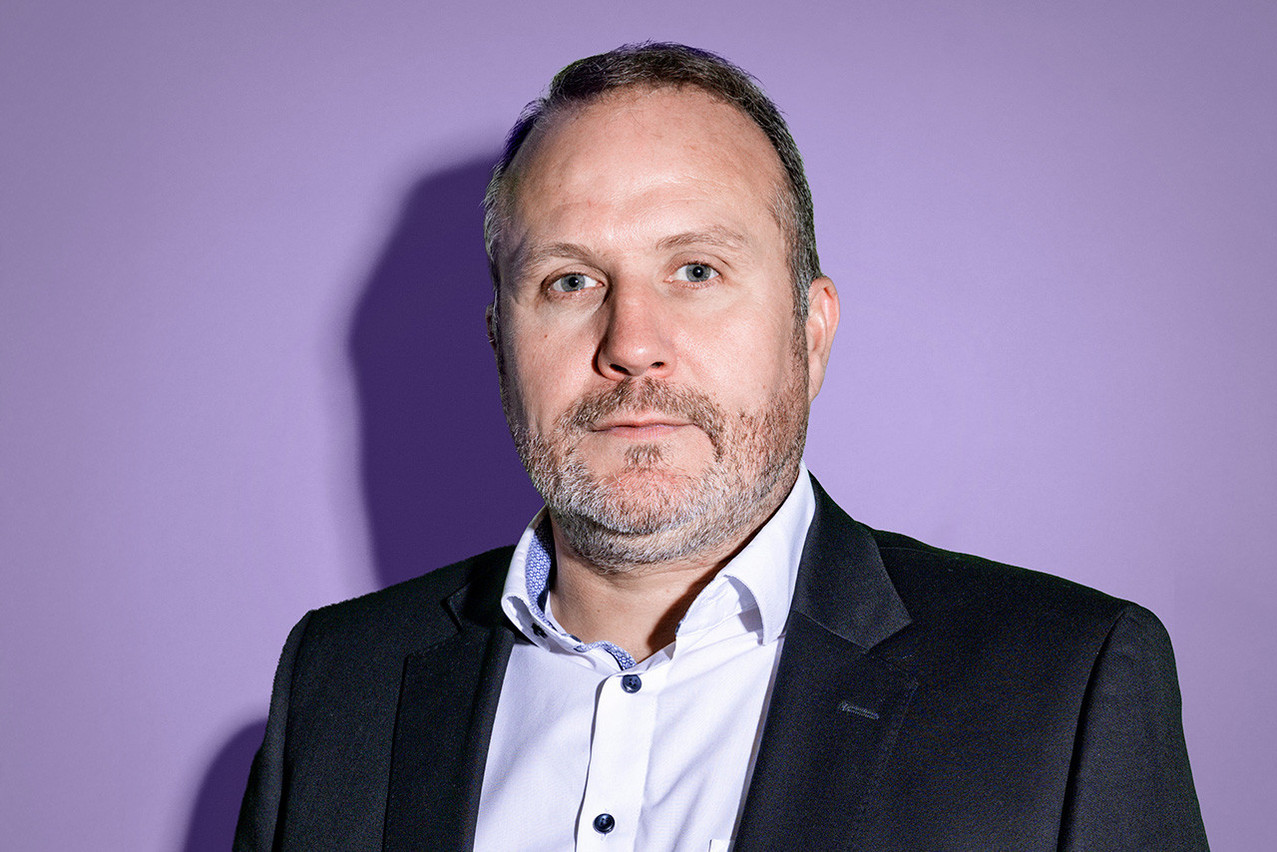
Luxembourg life insurance policies continue to appeal to ultra high net worth individuals (UHNWI), who are looking for tools to structure, secure and facilitate the transfer of their wealth. "In particular, one of the major advantages of the Luxembourg life insurance policy is its portability. Tax neutral, it allows its subscribers or beneficiaries to change their place of residence without having to terminate their contract and expose themselves to tax implications," points out Michael Cravatte, a partner at Deloitte and a specialist in the insurance sector.
Growing appeal
In a Europe faced with growing political instability, such assets are hitting the spot. The influx of assets from the French market since President Emmanuel Macron dissolved the National Assembly is testament to this. In 2024, investments by French clients housed in these vehicles jumped by more than 56% to almost €13.9 billion. "Very wealthy families are harbouring fears ahead of future elections in France, due to specific provisions such as the Sapin II law. For certain life insurance policies backed by euro funds, this provision provides for the possibility of limiting surrenders", continues Michael Cravatte.
Political uncertainty is not, however, enough to explain the success of the Luxembourg model. "Luxembourg attracts thanks to its legal and financial stability, but also thanks to its model of freedom to provide services, which has been in place for over thirty years," points out Vitis Life CEO and Aca chairman 
Integrating diversified assets
Beyond the Luxembourg "security triangle", which provides additional guarantees by making the policyholder the priority creditor in the event of default by the company, Luxembourg life insurance offers great flexibility in terms of asset management. "To meet the needs of a very wealthy clientele, professionals in the sector have specialised to accommodate a wide variety of investment vehicles," says Michael Cravatte. "The combination of the companies' know-how with regard to specific assets and the expertise of the managers, depending on the policyholders' expectations, constitutes a formula that is fairly unique in Europe."
The catalogue of eligible assets within these contracts is particularly extensive. "Wealthy clients are increasingly interested in assets that are uncorrelated with traditional markets, such as private equity," says Nicolas Limbourg. "Some are looking for better long-term returns, while others are focusing on societal impact: decarbonisation, sustainable infrastructure or rearmament. This trend shows that these clients want their assets to have a tangible impact."
Personalised approaches
In order to integrate private assets, such as private equity, into the heart of contracts, Luxembourg companies have become highly professional in recent years. "Alternative assets are playing an increasingly important role in the portfolios of this UHNWI clientele. The marketing of alternative funds presupposes special skills, both in terms of the obligation to advise clients and in terms of monitoring the products on offer. New duties therefore fall on the insurer, who may however, under his own responsibility, entrust this task to another person", explains Michael Cravatte.
One of the challenges lies in developing models that meet specific liquidity management requirements. "To meet the needs of certain segments of their clientele, Luxembourg players have had to put in place mechanisms to strengthen the liquidity of certain alternative assets," says the Deloitte partner.
Luxembourg also stands out for its ability to offer truly tailor-made solutions. "Families can benefit from the advantages of a dedicated wealth management service, integrated into a portable life insurance policy," sums up the expert. "When it comes to structuring assets with a view to passing them on, these are the long-term arguments in favour of Luxembourg. The challenge for players is to continue this momentum by exploring new possibilities that meet the needs of this demanding clientele."
Towards digital platforms
With the arrival of a new generation of wealthy clients, the digital experience is becoming increasingly important. "Until now, clients have relied mainly on the asset manager, without worrying about the company. But new approaches are emerging", stresses Michael Cravatte, who points to the interest shown by investors in developing digital native insurance platforms. "The challenge is to strengthen the link between the policyholder and the company, by offering greater autonomy in the management of assets."
While these platforms, designed to establish new standards of operational efficiency, are not directly targeted at the wealthiest customers, they could on the other hand appeal to the youngest among them. In any case, Luxembourg seems to have solid assets to welcome these new players.
France, a confirmed driving force
The French market confirms its driving role in the development of international life insurance in Luxembourg. In the first half of 2025, premiums collected rose by 19%, driven mainly by unit-linked policies. Of the €22 billion collected in 2024, more than half - €13.8 billion according to Aca - came from French customers. Italy follows, with €4.2 billion in premiums, then Belgium with €2.1 billion.
For Aca president Nicolas Limbourg, "Luxembourg continues to attract new customers and still has significant potential in its historic markets as well as in other less-exploited markets".
This article was written for the Insurance January 2026 supplement of Paperjam magazine, published on 10 December. The content is produced exclusively for the magazine. It is published on the site to contribute to the full Paperjam archive.
Click on this link to subscribe to the magazine.
Is your company a member of Club Paperjam? You can request a subscription in your name. Let us know via club@paperjam.lu


