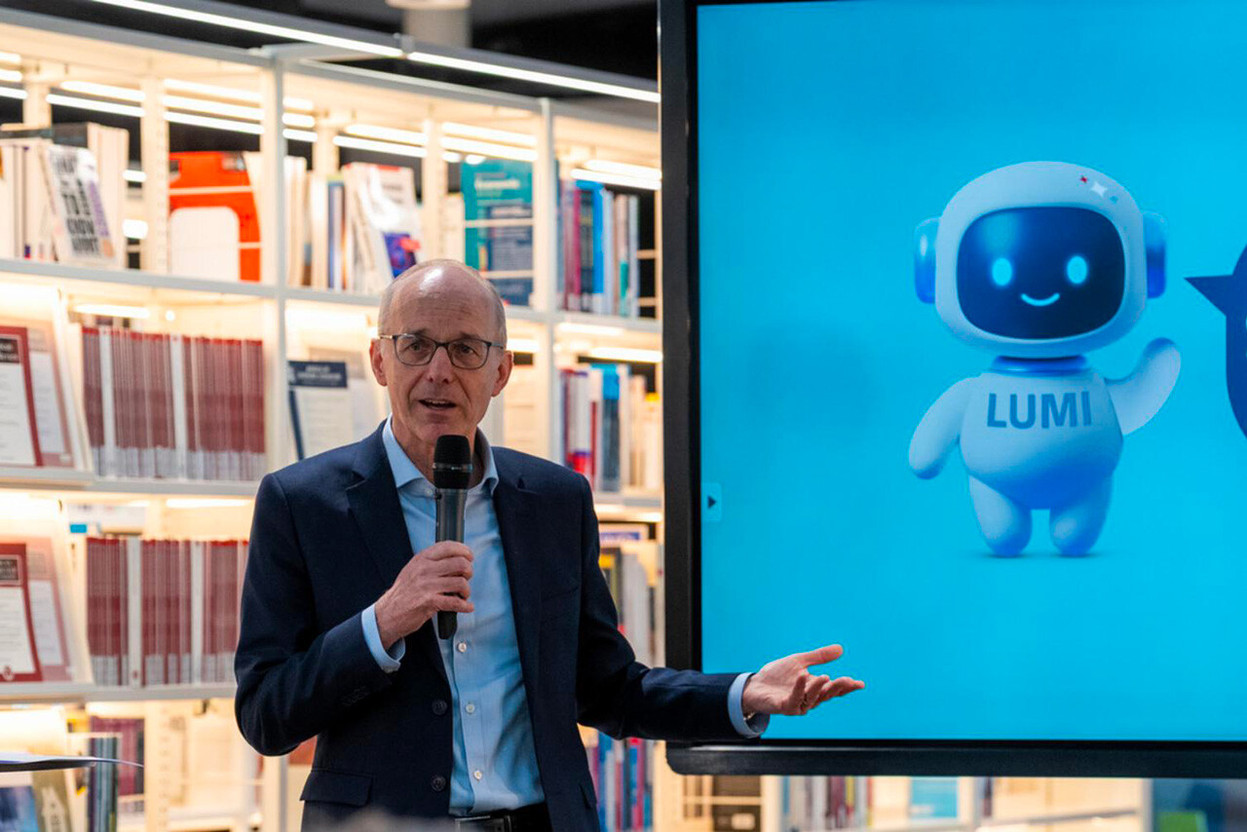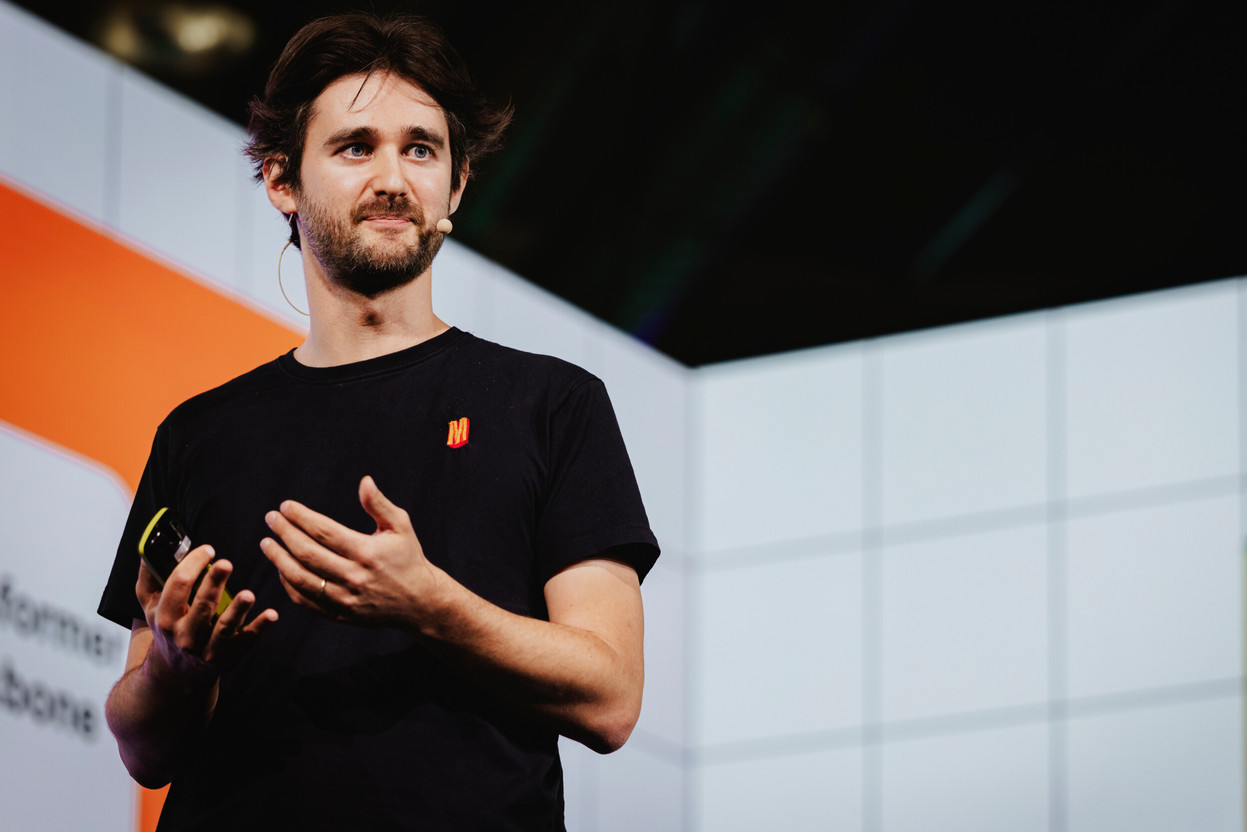
Luxembourg is strengthening its ties with Mistral AI. The Grand Duchy is among the new investors in the French artificial intelligence firm, alongside Advent and funds and accounts managed by BlackRock, as part of a €3bn funding round announced on Tuesday 8 September. “Luxembourg is investing €10m in Mistral AI. By supporting a European leader in artificial intelligence, we are actively contributing to strengthening our technological sovereignty and building a European AI champion,” the Ministry of Finance announced on its social media channels.
This entry comes just over a year after the signing, in June 2025, a strategic partnership between the Luxembourg government and Mistral AI – its co-founder and CEO, Arthur Mensch, had travelled to Luxembourg for the occasion. The agreement focuses in particular on the adoption of artificial intelligence within the public sector, collaboration with public research institutions and data sovereignty. It also provided for the opening of Mistral AI offices in Luxembourg and includes a collaboration with the Luxembourg Armed Forces.
Increasing one’s computing power
The Series D funding round announced on Tuesday 8 September values Mistral AI at over €21bn following the transaction, three years after its launch. According to the company, this is the largest equity fundraising round ever carried out by a European technology company. Samsung Electronics is leading the round, alongside the Scaleup Europe Fund, managed by EQT, and PSG Equity.
The €3bn is intended, in particular, to enable Mistral AI to increase its computing capacity for training its models, develop its infrastructure and accelerate its international growth. The company now operates in 20 countries and says it works with more than 125 major global companies, including Airbus, ASML and HSBC.
The funding round also brings together a long list of existing investors, including ASML, BNP Paribas CIB, Bpifrance, Carmignac, Eurazeo, Nvidia and Salesforce Ventures. Mistral AI intends to use these new funds to develop its sovereign AI model, based in particular on open-weight models and on the ability for organisations to retain control over their data, infrastructure and systems.