Generative artificial intelligence now has a place in government communications, provided it remains under human control. This is the position put forward by the government in a response published on Tuesday 25 August, following a question from LSAP MPs 

Signed by the Prime Minister 
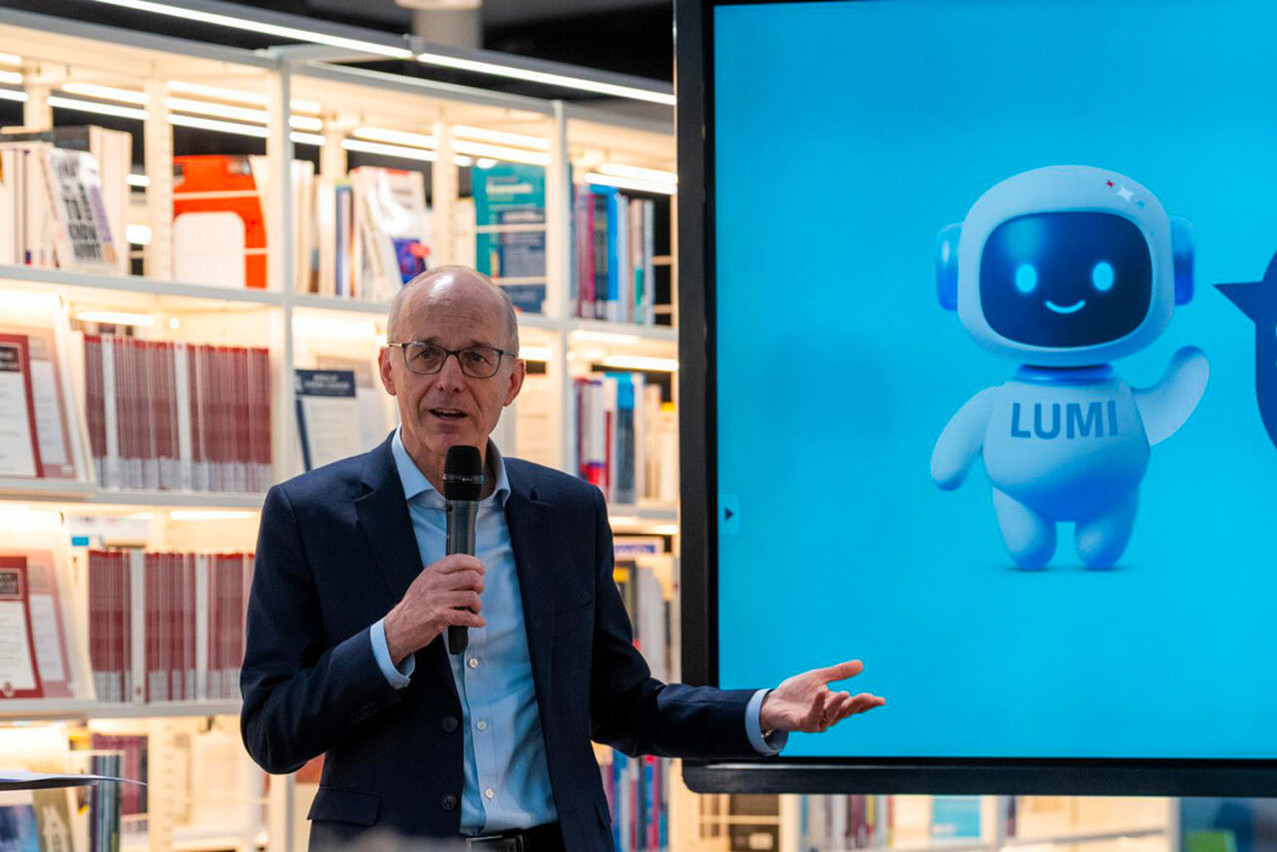
This clarification comes a few months after the launch of AI4Lux. On 4 March, Luc Frieden announced that all civil servants would have access to two sovereign tools based on Mistral AI technology, as part of a three-year partnership valued at 40 million euros. Sixteen days later, the government council adopted guidelines which now require human verification of generated content. The State is therefore accelerating the adoption of AI whilst seeking to set its limits.
The productivity gains highlighted
The two MPs were particularly concerned about the consequences of these practices for photographers, graphic designers and visual artists, who could potentially be deprived of public commissions. In this regard, the government acknowledges the risks to income, the recognition of creators, cultural diversity and copyright.
The government states, however, that it has no data to establish a link between the use of AI-generated images and trends in employment or income within the creative industries. It also highlights the productivity gains and new creative opportunities offered by these technologies.
Since 20 March, guidelines have been in place to regulate the use of AI within central government. All content generated must be proofread and checked before publication. Ultimate responsibility remains with the staff member responsible for producing and approving the content. However, this human oversight does not mean that the use of AI must always be flagged.
Transparency requirements
The transparency obligations set out in Article 50 of the European Regulation on Artificial Intelligence came into force on 2 August. Texts intended to inform the public on matters of general interest, as well as images, audio or video constituting deepfakes, must be identified as content generated or modified by AI. However, a disclosure will not be required for certain texts validated by a human where the legal transparency requirements do not apply.
The government says it wants to work with collective management organisations and relevant stakeholders on licensing, regulating usage and remuneration for creators.