What exactly is the role of a wedding planner?
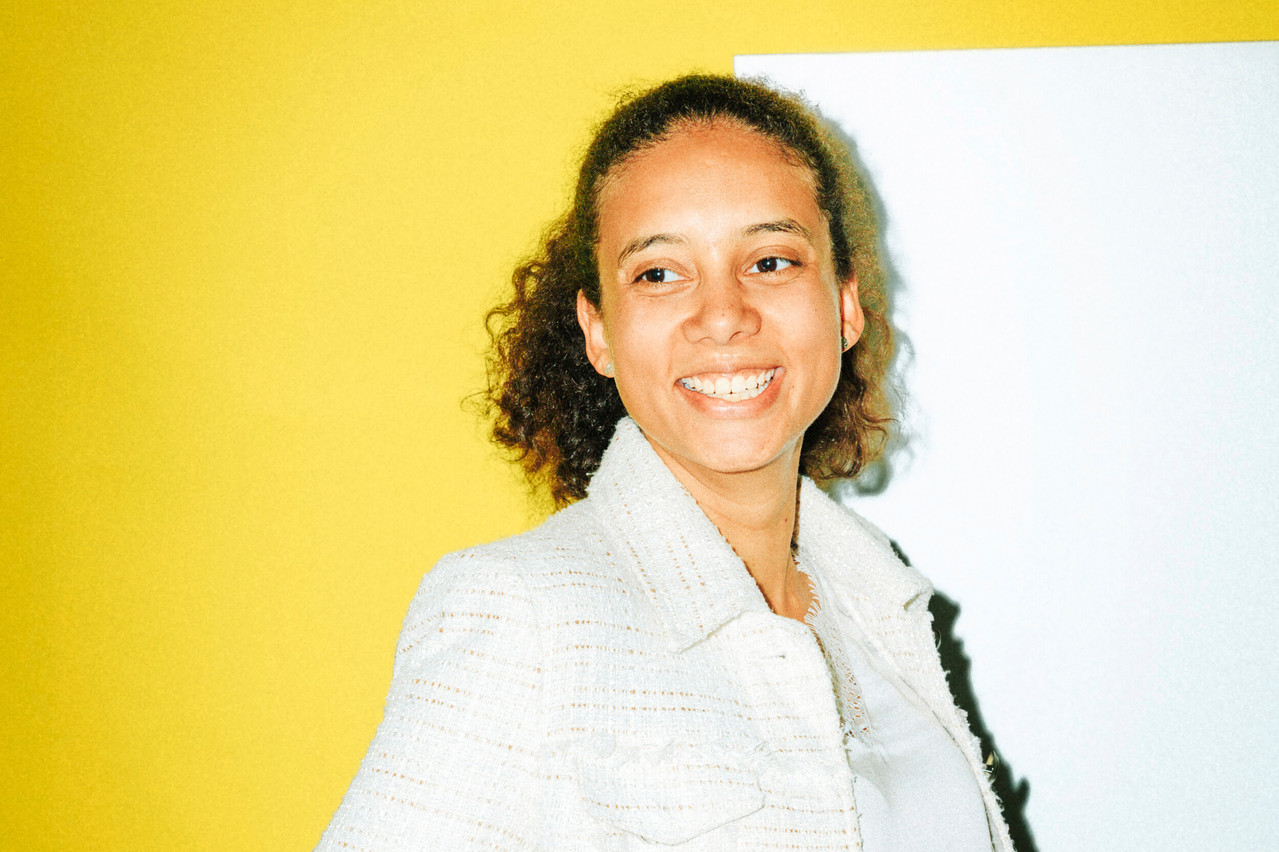
Mia Weydert. – “My role is to provide a common thread and ensure that the bride and groom can enjoy their day without having to constantly check that everything is going to plan. I coordinate the suppliers, the programme and the various stages of the wedding, whilst dealing with any unforeseen issues.
I can’t take away all the emotion or stress associated with a wedding, but I can offer some peace of mind. Several couples have told me that simply seeing me on their wedding day put their minds at ease, because they knew someone was keeping an eye on the big picture.
How did you come up with the idea of setting up Dream Wedding by Mia?
“I’ve always loved organising events for my family and friends. The real turning point came with my own wedding. Even when you enjoy planning, you realise there are still lots of things to sort out and that, when the big day arrives, this responsibility often falls to the best man or maid of honour or to family members.
I had originally planned to launch my business in 2020, but the pandemic delayed the project. I finally got started in 2021, after completing training courses in Germany. I had to learn how to present my business, set up my website and engage on social media. I’m also continuing to learn to keep up with developments in the sector. At the same time, I’m still working as a teacher. These two activities now each take up about half my time.
To ensure genuine continuity, I prefer to see the project through right up to the wedding day.

Doesn’t the internet already allow couples to organise everything themselves?
“Couples can find loads of photographers, videographers, florists and other service providers on Instagram. But beautiful pictures don’t necessarily tell you how someone works, whether they’re reliable or how they react when the unexpected happens. I often take part in photo shoots specifically to meet new service providers and observe how they work. When I recommend someone, it’s not just because their work looks good online. I need to know that the bride and groom will really be able to count on that person.
Couples are, however, free to choose their own service providers. In that case, I get in touch with them and ensure that all the information is passed on correctly.
How has your offering developed since its launch?
“I offer a comprehensive planning service as well as a Wedding Day Manager package, which is currently the most popular option. However, this service is not limited to my involvement on the wedding day itself. As soon as the contract is signed, couples can ask me any questions they may have and seek my advice. Around two months before the wedding, I contact all the suppliers directly to organise the day’s programme. I also make a point of meeting the couples in person. If I am to be present on one of the most important days of their lives, a relationship of trust must already be in place.
I have gradually phased out certain one-off services, such as simply finding a venue or sending a list of suppliers. The work doesn’t stop once the contracts have been signed. To ensure genuine continuity, I prefer to support the project right up until the wedding day.
Has demand increased?
“I organised two weddings in my first year in business, and then the number of enquiries gradually increased. In 2025, I organised 17 weddings. For 2026, I have deliberately limited my schedule to around ten weddings.
At one point, I used to take on events on Fridays and Saturdays. I’ve decided to stop doing that and to focus on Saturdays instead. I’d rather organise fewer weddings and be able to really devote time to each couple.
What sets you apart from other wedding planners?
“Communicating in Luxembourgish is important. Several clients have told me that they felt reassured being able to discuss their wedding in their mother tongue. It also makes it easier to communicate with French- or German-speaking service providers.
I work in Luxembourg and the neighbouring regions. My first clients were mainly Luxembourgers who were getting married in Luxembourg, Germany, Belgium or France. Now, foreign couples are also starting to contact me thanks to recommendations for venues and service providers.
A couple sometimes spends 18 months or two years planning this event, yet the day itself goes by in a flash. My aim is for them to be able to truly enjoy it, without worrying about what’s going on behind the scenes.

How do you structure your business model?
“For a full-service package, my fees are calculated based on the overall wedding budget. For other packages, I work on a fixed-price basis. I do not receive any commission when a couple chooses a supplier I have recommended. I prefer to recommend someone because I know the quality and reliability of their work. A good review or a new recommendation is worth more to me than a percentage of a contract.
Invoices from service providers are also issued directly in the couple’s name. I coordinate the communications, but I do not wish to act as a financial intermediary between the two parties.
Would you like to build a team?
“Dream Wedding by Mia relies heavily on my way of working and on the relationship I build with couples. When they contact me, they usually want me to be there in person. So I don’t want to set up a large organisation where I would delegate the planning of weddings entirely to others.
I could, however, call on someone to help me with the set-up or with certain specific tasks. This would save me time without losing the personal touch that is one of the strengths of my business.
How can you tell if a marriage is a success?
“A wedding is a success when the bride and groom tell me that they felt like guests at their own wedding. The best man and maid of honour, as well as family members, should also be able to enjoy the day rather than spending their time ticking off a to-do list. A couple sometimes spends 18 months or two years planning this event, yet the day itself goes by in a flash. My aim is for them to be able to truly experience it, without worrying about what’s going on behind the scenes.”
This article was written for the October 2026 issue of Paperjam magazine, published on 16 September. The content is produced exclusively for the magazine. It is published on the site to contribute to Paperjam’s comprehensive archive. Click on this link to subscribe to the magazine.
Is your company a member of the Paperjam Club? You can request a subscription in your name. Please let us know via club@paperjam.lu.