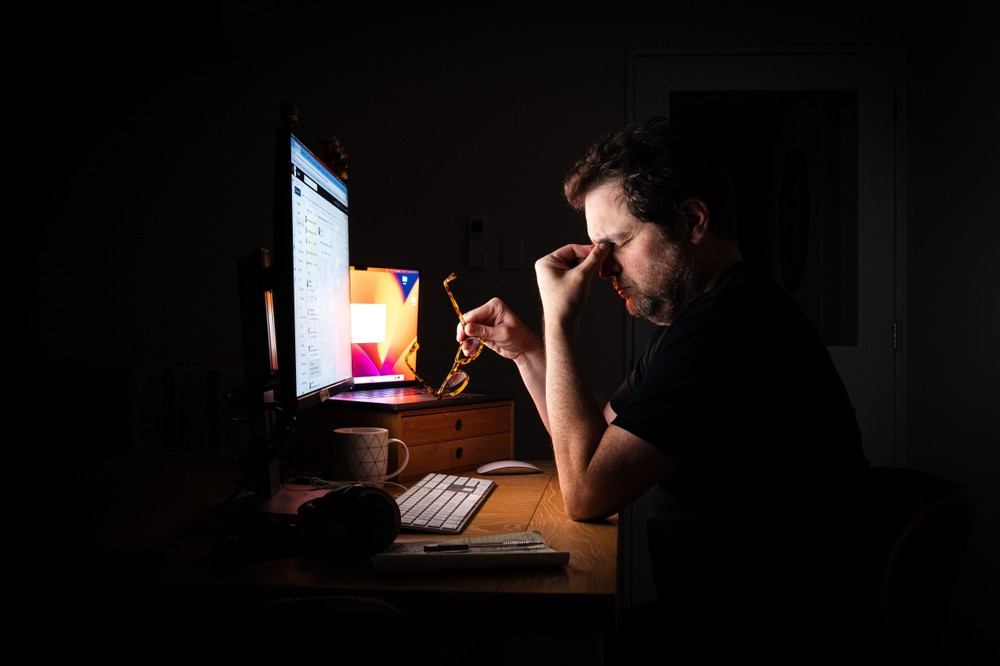
Preventing burnout could become a more stringent obligation for employers. On Tuesday 6 October, the European Parliament adopted, by 413 votes to 210, with 29 abstentions, a report calling for new legislation to tackle psychosocial risks in the workplace. This vote does not yet create any new rules.
MEPs are calling for regular risk assessments, particularly in relation to excessive workloads, followed by concrete action plans. They also want psychosocial risks to be explicitly recognised as capable of causing occupational diseases, and for employers to adopt policies to combat violence, harassment and discrimination.
“Europe must not become a ‘burnout society’,” warns Belgian rapporteur Estelle Ceulemans, of the Group of the Progressive Alliance of Socialists and Democrats. “This is not only a matter of employees’ well-being, but also of public finances, as the cost to society is skyrocketing.” According to the International Labour Organisation, cited in the press release, more than 840,000 people die each year from health problems linked to psychosocial risks.
Echo in Luxembourg
Major restructuring measures and the introduction of automated decision-making or monitoring systems should be subject to prior consultation with employees and their representatives. MEPs are calling for human oversight of algorithmic management and reaffirm the right to disconnect.
Following an absence due to these risks, they recommend individual return-to-work plans, with adjustments to working hours, duties or workload. The European Commission now has three months to announce the measures it intends to take or to justify its decision not to propose a legislative initiative.
In Luxembourg, this call echoes the analysis published on Monday 5 October by David Büchel on Improof, an initiative of the Chamber of Employees (CSL). He points out that the Quality of Work Index fell to 53.4 points in 2025, its lowest level since 2014, and calls for action to be taken on the organisation of work. “A resilience workshop is no substitute for sufficient staffing levels,” he emphasises, highlighting that preventing burnout is not only a health issue but also key to retaining staff.