Was there a specific moment or encounter when you thought: “I want to work in the art world”?

At the time, no one around me had chosen this path, so that encounter was truly decisive. Later, while visiting certain exhibitions, I remember thinking: ‘This is amazing. I’d love to be part of this world.’ It all came together gradually. I went on to complete a master’s degree in art history, even though I didn’t work in that field right away. But that meeting was really the turning point.
What makes Luxembourg Art Week stand out from other international art events?
“Luxembourg Art Week was founded not only as a contemporary art fair but also as a platform to bring together the Luxembourg art scene, its institutions, artists and cultural players. Founder 
What’s your long-term vision for Luxembourg Art Week?
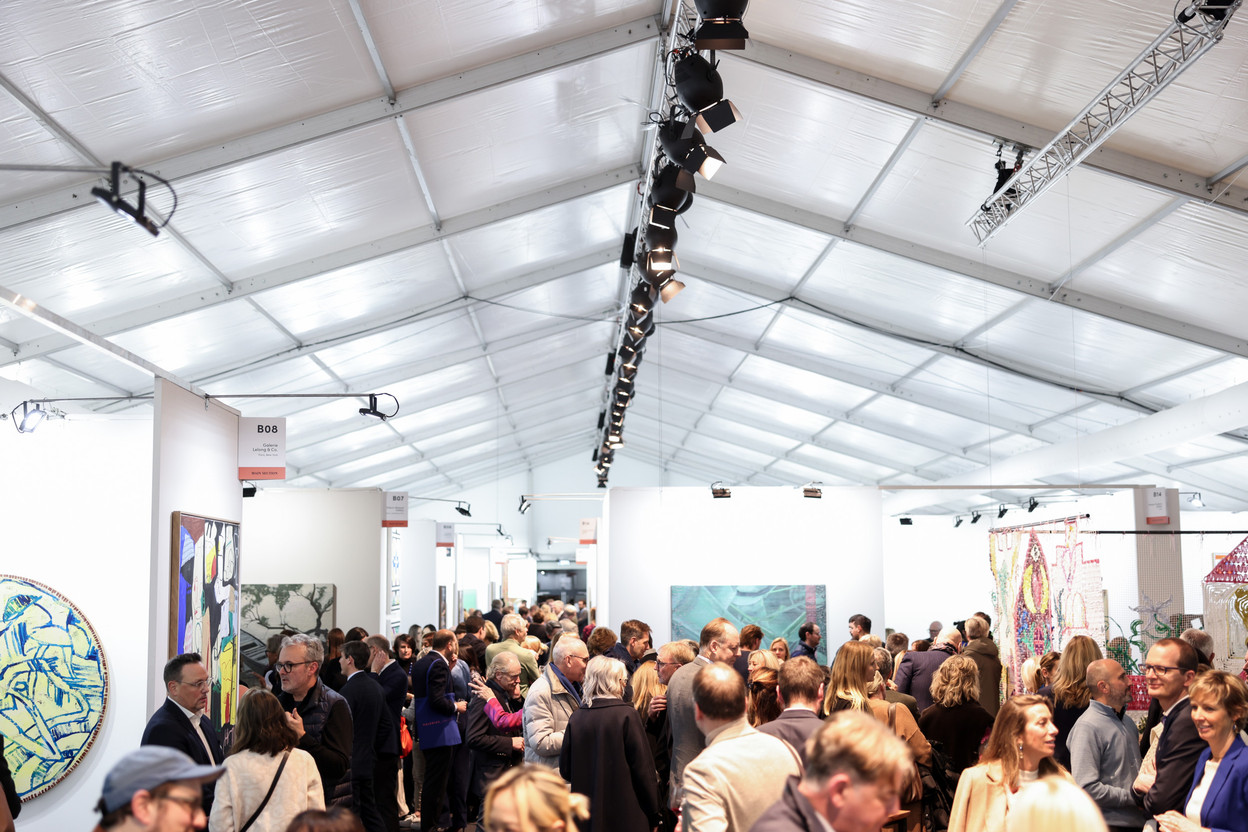
“Our goal is to strengthen what has been built over the first 10 editions and to establish Luxembourg Art Week’s position on the European scene. We already attract galleries and collectors from Paris, Brussels, Berlin, Vienna and even, at times, from North America.
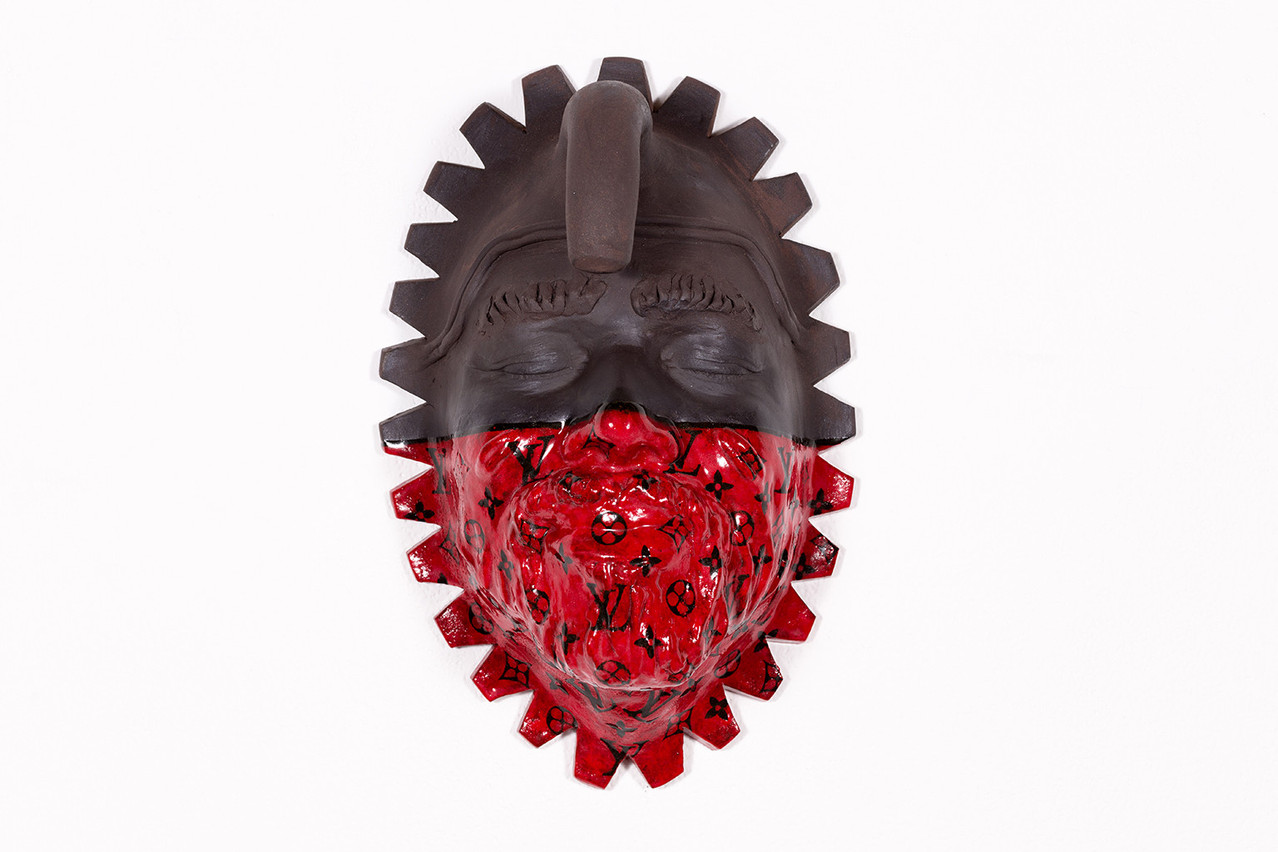
“Art Mûr”, by Eddy Firmin, will be part of the Montréal Focus. Photo: Luxembourg Art Week/Eddy Firmin
This year, we are including a focus on Montréal, and in the future, we may go beyond Europe. We also aim to expand our base of visitors and collectors. That’s why we’re launching the Collecting 101 programme, which is designed to introduce people to collecting and to challenge the idea that art is inaccessible. Many works are available starting at €500 or €1,000. We want to show that there is something for every taste and every budget, and to inspire people to take that first step toward buying art.
Luxembourg is also a financial hub. In your view, what role can art play there?
“Art can certainly be seen as a social connector or as an investment. But I believe people should, above all, buy works that they truly love, pieces that they want to live with every day. Some people see art as a form of investment, but it’s important to remember that it remains an uncertain market. What matters most is buying with the heart. If one day you sell without a loss, all the better, but that should never be the only motivation. And as with any investment, it’s wiser not to put all your eggs in one basket.
More broadly, what place do you think art holds in Luxembourg society today?
“I believe that culture, and art in particular, has taken on an increasingly important role, especially since Luxembourg City was a European Capital of Culture in 1995. Institutions such as the Philharmonie, Mudam, Casino Luxembourg and Konschthal have emerged, reflecting a genuine political will to support culture. The Luxembourg public does participate, though we still hope to draw more attendees. The ministry of culture has also conducted research to better understand barriers to access and to improve cultural accessibility.
Personally, I deeply believe that art is for everyone. Anyone can feel something when standing before a work of art, regardless of their background or knowledge. That belief is what drives me to work in this field.”
This article was written for the November 2025 issue of Paperjam magazine, published on 22 October. The content is produced exclusively for the magazine. It is published on the site to contribute to the full Paperjam archive. Click this link to subscribe to the magazine.