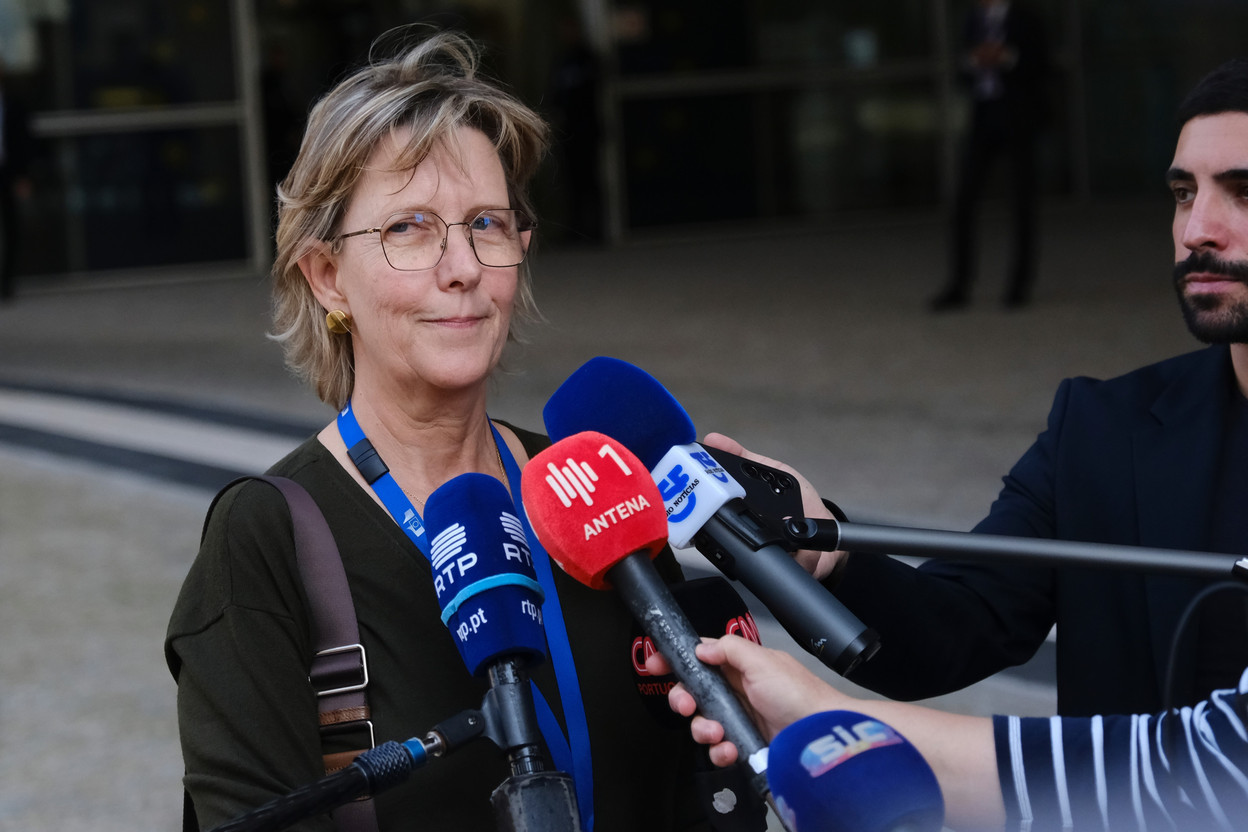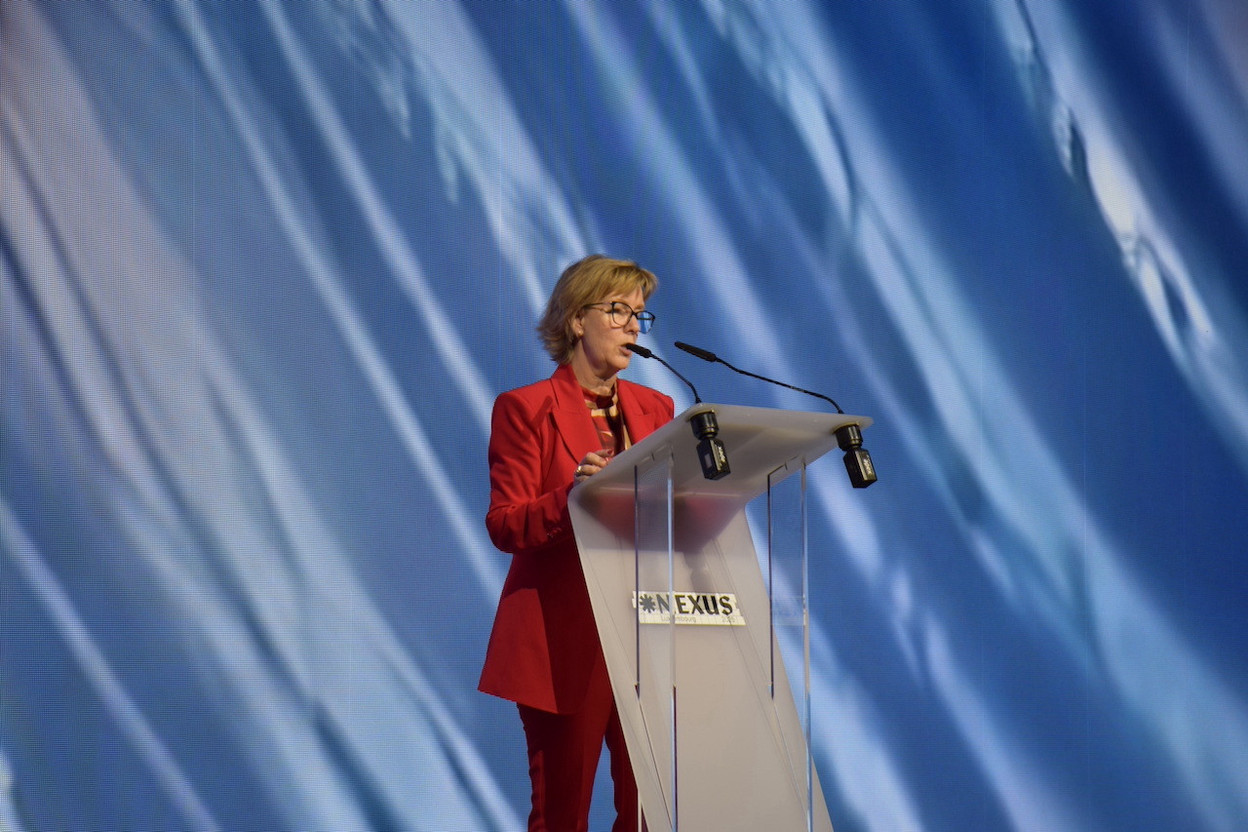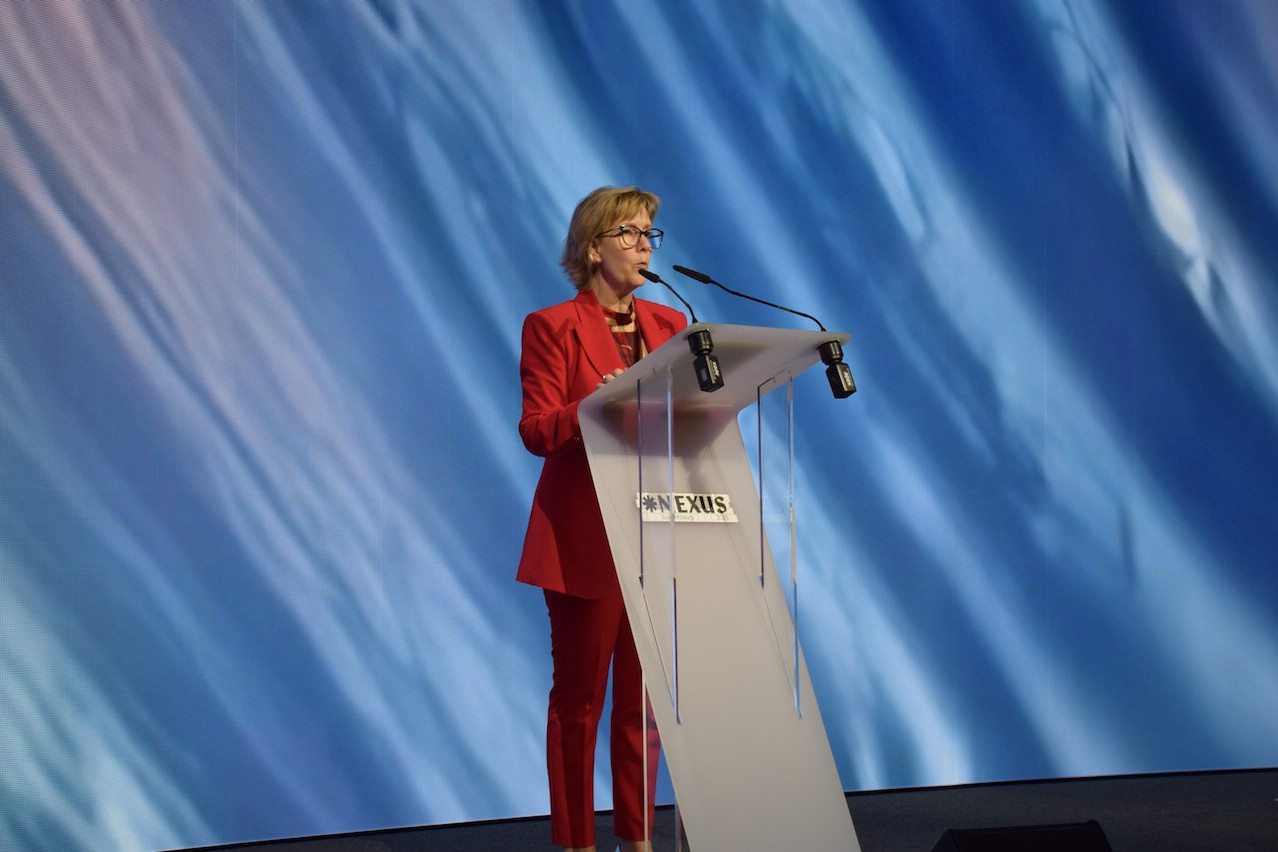
From the Market Integration Package presented by the European Commission, what stands out is the centralisation of supervision in favour of Esma (the European Securities and Markets Authority) to the detriment of national supervisory authorities. This is a simplistic view for the Commissioner, who sees centralisation as a tool, not an end in itself. And a tool that does not marginalise national authorities. "We have no intention of creating a regulatory Moscow", she insists. "The main objective of this package is to eliminate the barriers, fragmentation and unpredictability that persist in European financial services to create a single market for financial markets, which we do not have today."
Regulation, the cause of market fragmentation
And according to her, one of the causes of the fragmentation of European financial markets is that prudential and supervisory rules are interpreted and implemented very differently from one Member State to another. "This situation prevents the effective mobilisation of dormant savings and often forces European companies and investors to turn to the United States". For her, the package therefore aims to integrate the market with greater harmonisation, removing the scope for over-regulation ("gold plating") and ensuring that the rules are uniform everywhere. "By transforming certain rules from directives into regulations, the Commission prevents Member States from imposing additional requirements, as they are directly applicable."
Targeted, not universal supervision
The criticism - the fear -, is that Esma will become the tip of a regulatory pyramid governing all regulatory aspects of the EU's financial markets. Maria Luis Albuquerque refutes this fear: "Our approach is not a 'one size fits all' approach. It is a proportionate approach that respects subsidiarity and is targeted. We don't want to centralise everything", she repeats. With two notable exceptions...
First, for market infrastructures, "supervision will be centralised for market infrastructure relating to trading and post-trading. This centralisation will apply according to a set of criteria, including significant cross-border operations, size and the fact that part of the infrastructure is part of a group."
As for the "crypto space", all cryptoasset service providers, "whether large or small", will be subject to Esma oversight. "Crypto activities are by nature cross-border and the sector is evolving very rapidly. This centralisation is intended to prevent fragmentation in a new sector, which has already begun to emerge after just one year of application of the Mica regulations. In an area where competition will be massive and aggressive at global level, this approach will also make it possible to preserve human resources, which are currently scarce and costly, by avoiding the creation of 27 centres of expertise."
All other financial activities will remain under the supervision of national regulators. This will be the case, for example, for asset managers and the investment fund sector. But Esma will still be given an enhanced role here. "Given the significant cross-border activity in this area, Esma will in particular have the power to resolve disputes between supervisors", she explains. Esma will also monitor developments in this sector with the competent national authorities, which would be responsible for drawing up reports identifying barriers and impediments in the market. For all other activities, supervision will remain at national level. With an ESMA that will have enhanced tools to ensure convergence. "If there are threats arising from inadequate supervision, it will have the power to intervene."
Esma itself will be reformed, "with an Executive Board to take decisions on direct supervision, with the Board of Supervisors opposite, which will continue to be there to put forward the views of the national authorities and to continue to develop the regulatory work in a way that involves the 27". A final argument to reassure national authorities: "Esma will enter into arrangements with the competent national authorities to ensure that the knowledge and expertise that currently exists within the various competent national authorities is not lost."
Simplification and reduction of administrative burden
The great fear of market players is that an additional layer of regulation will be added that will result in higher regulatory costs. On the contrary, the Commissioner claims that the new proposals will make life considerably simpler for market participants.
"A key example concerns asset managers: whereas today, distributing a product in different markets requires submitting the entire process in each Member State, the new framework will establish a single platform managed at ESMA level. The home supervisor will authorise the product, and the asset manager will be able to list the Member States in which it wishes to distribute its product. Notification will be made automatically to other Member States without any further administrative steps, which will save time, resources and money, while gaining in terms of scale. I really see this as a major tool and exercise in reducing administrative burden and simplification."
What support from Member States?
For this package to be adopted, it will need the support of the Member States. This is far from a given, particularly given the reluctance to support the project expressed on numerous occasions by the Luxembourg government. Maria Luis Albuquerque expresses the hope of obtaining their support, pointing out that there is a consensus on the European problems that include the loss of competitiveness of the economy and the fragmentation of the single market. In order to resolve these problems, she believes the completion of the Savings and Investment Union needs to be speeded up. "This is precisely what this regulatory package aims to contribute to."
For her, "marginal adjustments will not work. Fundamentally different measures from those taken in the past are needed to achieve better results. For Europe to be a major player and attract outside capital, Member States must act quickly." She called on them to examine the package "without prejudice, give it a fair chance and then engage in open discussion". "With this proposal, we are not trying to fix what is not broken or to prejudice any Member State. We want to give Europe and our businesses a new competitive edge."
It is now up to the Member States to take up the issue.