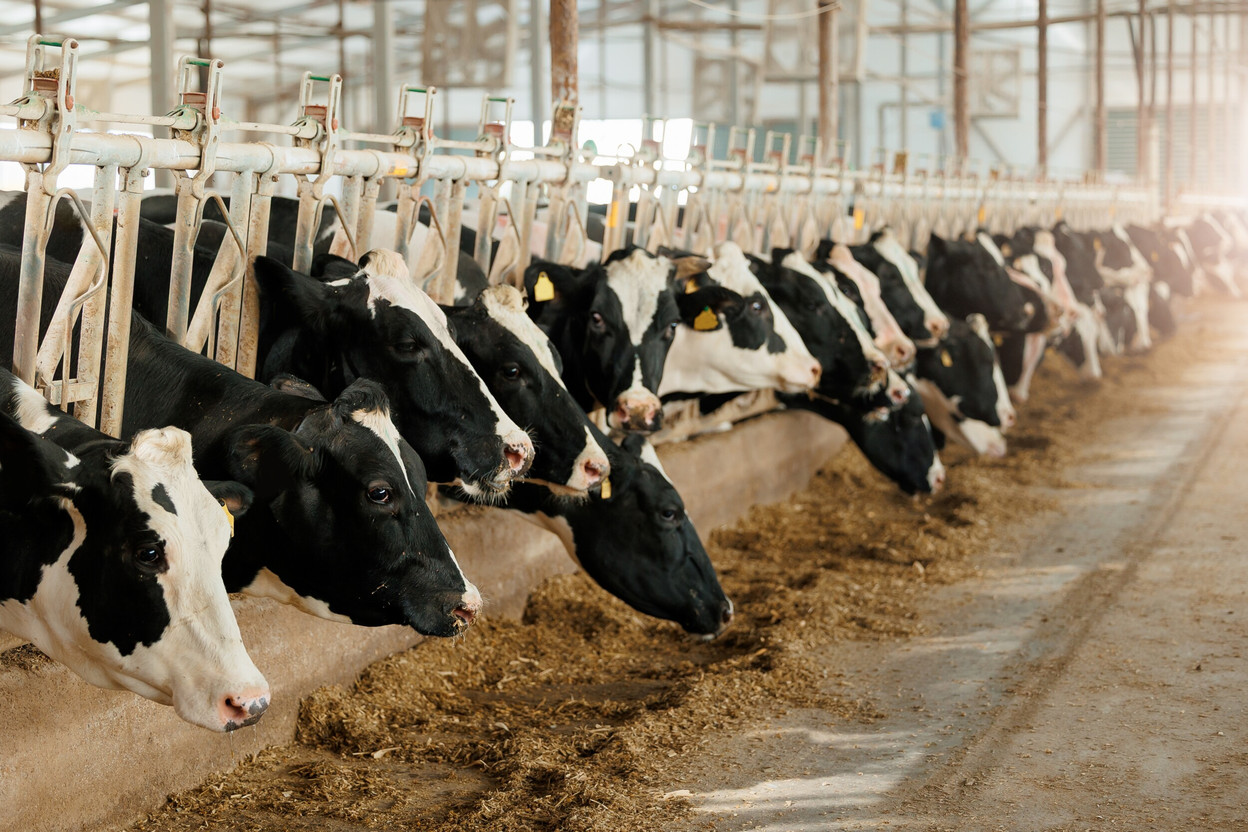
More than 40 million litres of milk have found a buyer. The challenge now is to turn them into products profitable enough to finance Luxlait’s move to a larger scale. On Wednesday 7 October, the cooperative signed an agreement with Solarec to arrange the takeover of part of the volumes produced by Prolek farms. These farms were set to be left without a market following the decision by Lactalis, owner of the Ekabe brand, to cease collecting milk from them on 31 March 2027.
Of the 68 farms initially affected, six have decided to cease operations. Of the 62 that will continue to produce, 50 have joined the scheme devised by Luxlait. The scheme thus brings together 80.6 per cent of producers still in business and, according to the co-operative, secures more than 80 per cent of the volumes at risk.
Luxlait will act as the point of contact for farmers and will be responsible for individual contracts, organising collection, monitoring and payment for milk. The scheme is due to come into effect on 1 April 2027.
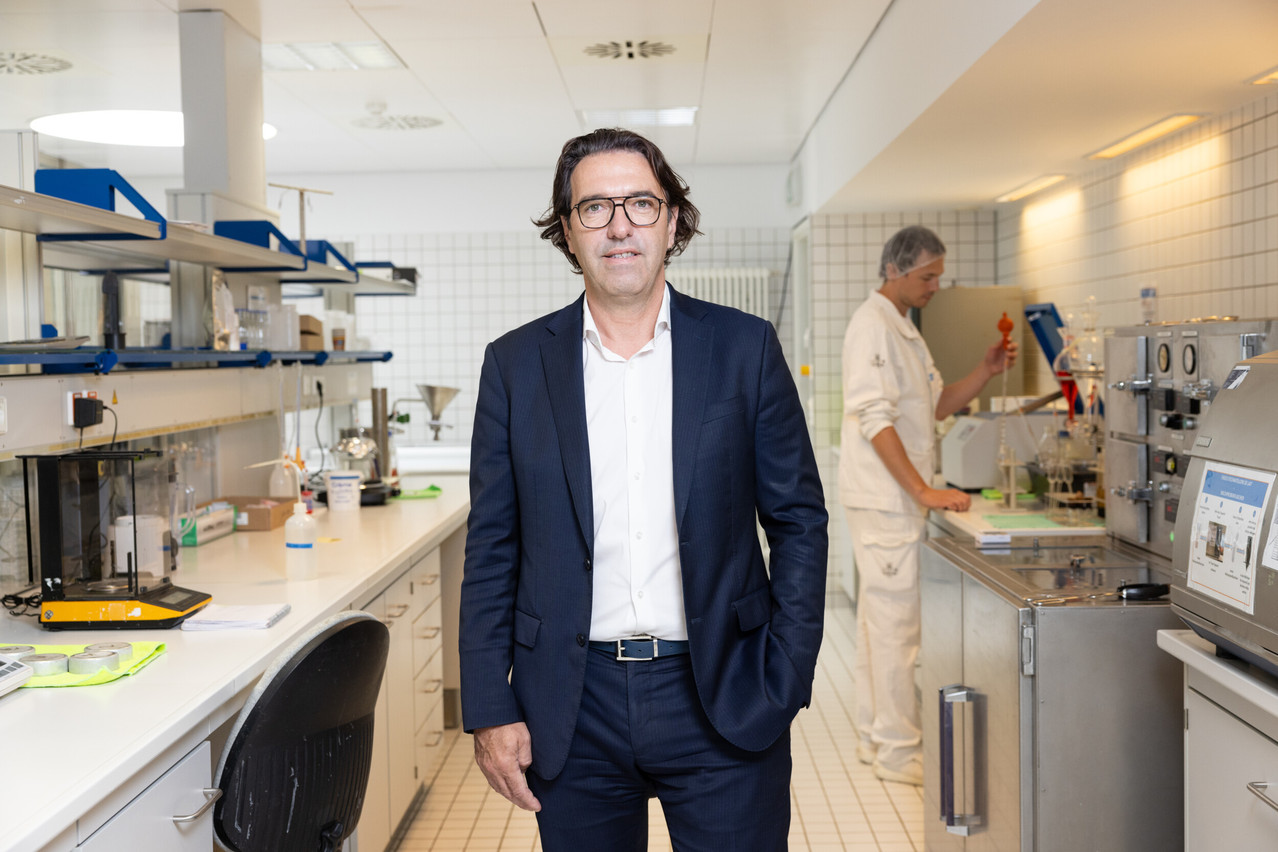
“In the space of a few months, we’ve gone from facing the risk of supply disruption for 68 farms to having a comprehensive contractual arrangement in place for 50 producers. We needed to act quickly, but also to develop a solution that was economically viable and legally sound,” explains 
However, the co-operative will not be able to process all of the additional volumes immediately at its Roost factory. The agreement therefore provides for the co-operative to rely on industrial partners, including Solarec, for the processing and marketing of these volumes. Luxlait is a shareholder in this Belgian co-operative.
Turning milk into value
Taking on more than 40 million litres a year will increase Luxlait’s requirements in terms of collection, financing and flow management. Above all, it raises the question of how this additional production will be utilised in the medium term, both for new suppliers and for the cooperative’s long-standing members.
Luxlait, in partnership with PwC and with government support, has launched a strategic study into the products, markets and business models that could be developed by 2031. Its findings will determine the scale and nature of future investments.
Several scenarios are being considered: the expansion and modernisation of the Roost site, the creation of new production facilities, the development of new product ranges, or the construction of an additional industrial unit. Luxlait is also considering investments with partners, equity investments and the formation of joint ventures. “It is still too early to determine the form these very significant investments will take,” admits Gilles Gérard. The co-operative makes their implementation conditional on the existence of identified markets, the profitability of the projects and an increase in the value generated per litre of milk.
The areas under consideration include high-protein products, fermented products, cheeses, higher value-added specialities, lactose-free products and dairy ingredients. Luxlait also wishes to assess new formats and export opportunities. This diversification should reduce the risk that increased volumes will simply result in more milk being sold at low added value. “The next step is to turn this success into a genuine industrial project for Luxembourg and to give our sector greater weight within the European landscape,” says the CEO.