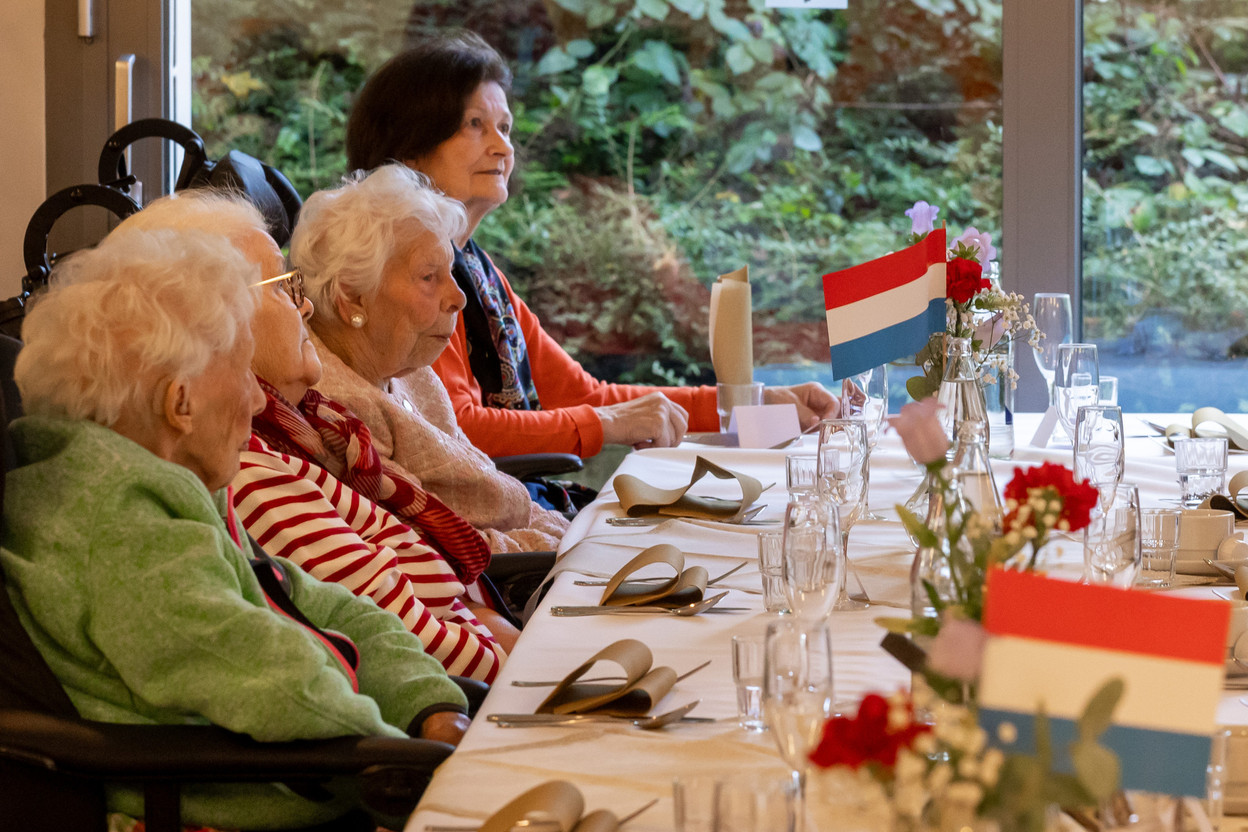
Europe is ageing and will have to adapt more quickly than it has done so far. In its third report on demographic change, published on Tuesday 14 July, the European Commission estimates that an ageing population and a sustained decline in the birth rate will put pressure on competitiveness, the labour market, healthcare systems and public finances if member states fail to anticipate these developments.
Luxembourg, however, is approaching this transition with a demographic profile that differs from that of most of its neighbours. The median age of its population is around 39.7 years, compared with 44.9 years in the European Union (EU). Only Ireland has a younger population. This situation is largely due to immigration, which replenishes the labour force and slows down the ageing process.
The Grand Duchy stands out above all for a figure that is unprecedented in Europe: more than one in two residents was born abroad. On 1 January 2025, people born outside Luxembourg accounted for just over 50% of the population, of whom around 32% were born in another EU Member State and nearly 19% in a non-EU country. No other member state has such a high proportion. By way of comparison, the European average stands at 14.4%.
More ambitious policies
However, this trend is not enough to reverse the underlying trends. As elsewhere in Europe, the birth rate remains low. The report estimates a fertility rate of around 1.25 children per woman in Luxembourg by 2025, which is far below the replacement rate of 2.1. Projections anticipate a slight increase by 2100, but without a return to the level required to stabilise the population naturally.
Another distinctive feature of the country is that its life expectancy is among the highest in the EU. The Commission’s projections show that it will continue to rise over the coming decades, further increasing the proportion of older people in the population.
Brussels believes that immigration can slow down the ageing process, but cannot, on its own, reverse the trend. Even with sustained migration flows, the falling birth rate will continue to alter the structure of the European population. Without immigration, the EU’s population would, in fact, be 32 per cent smaller by 2100 – around 130 million fewer people than under the baseline scenario. The Commission believes that the solution will lie in more ambitious policies on skills, housing, labour market participation and active ageing.