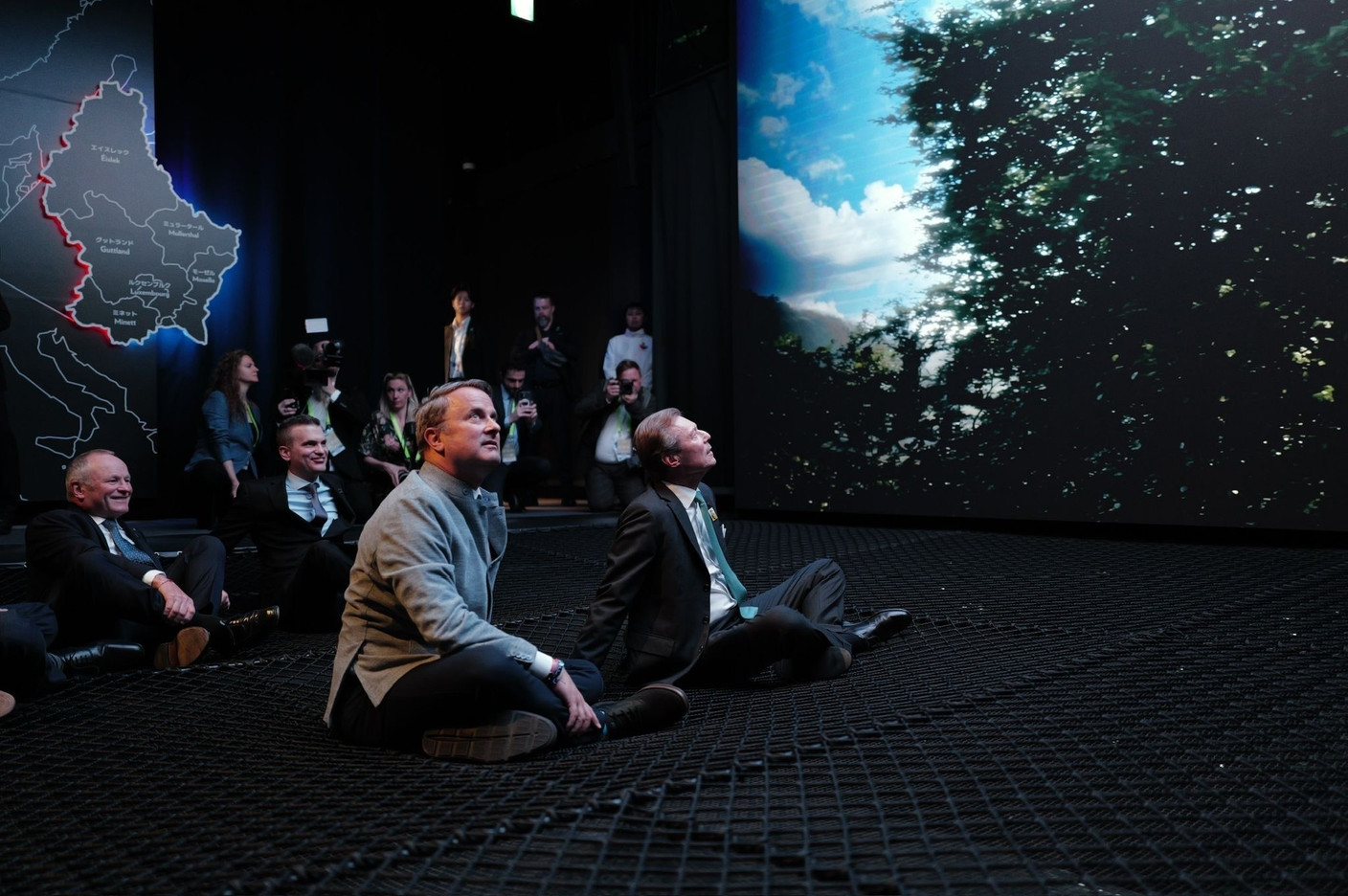
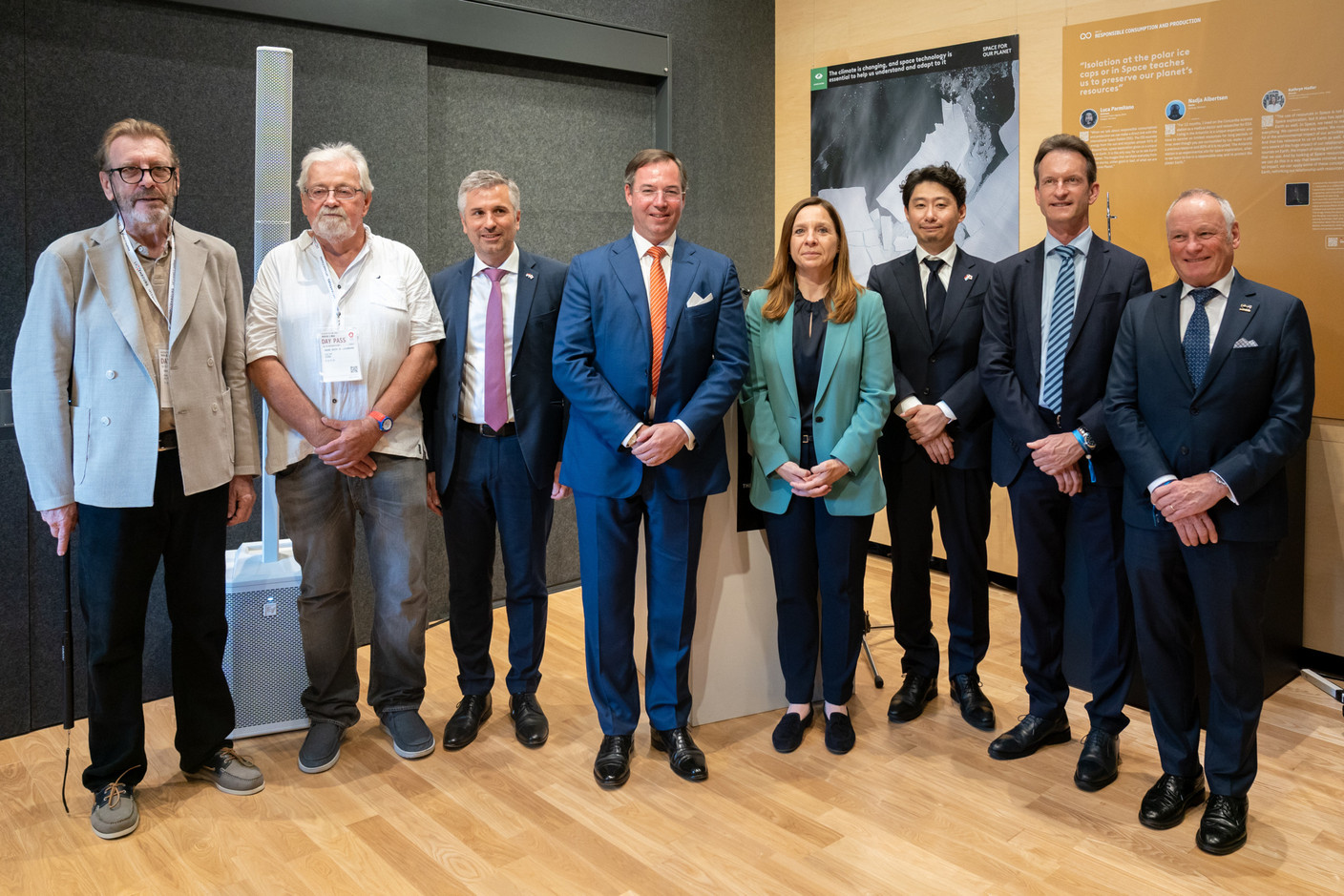
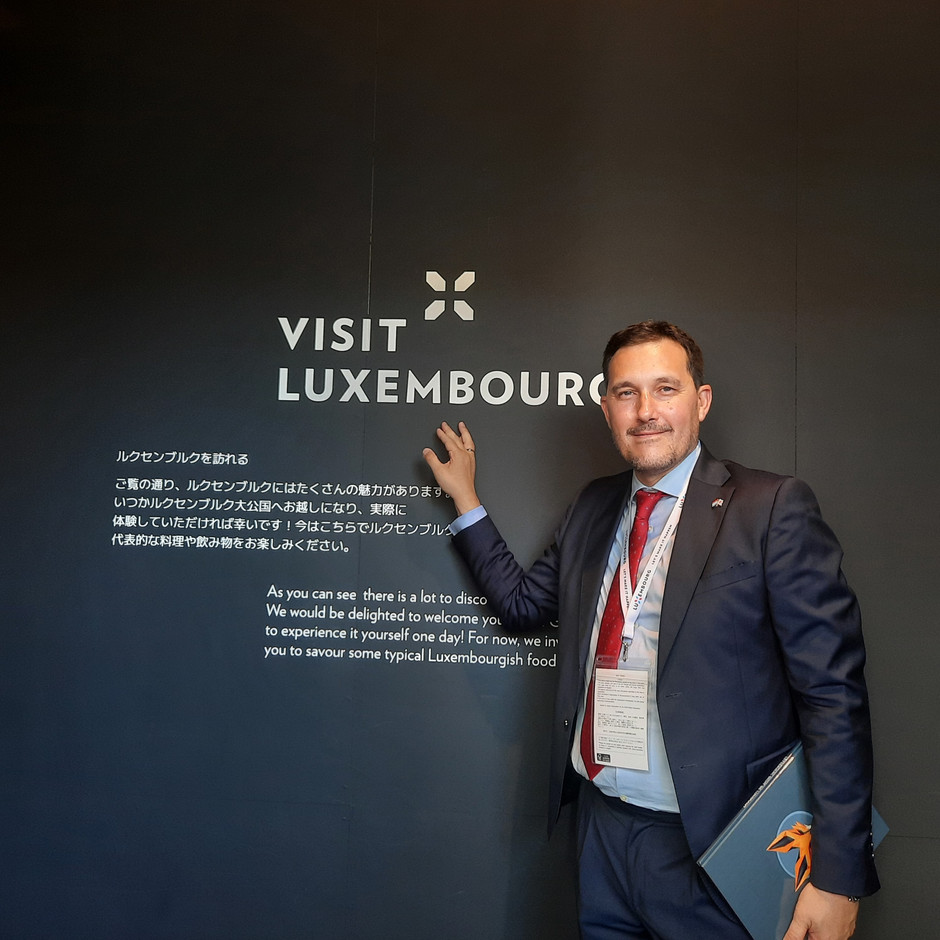
From May to July 2025, the Chamber of Commerce and the ministry of foreign affairs, via the Trade & Invest platform, organised three economic missions to the Osaka World Expo. Tighter than during the Dubai Expo in 2020--when six missions were carried out--the Japanese set-up focused on precision. The three delegations centred on priority sectors for the two countries, namely tech/logistics, space and health.
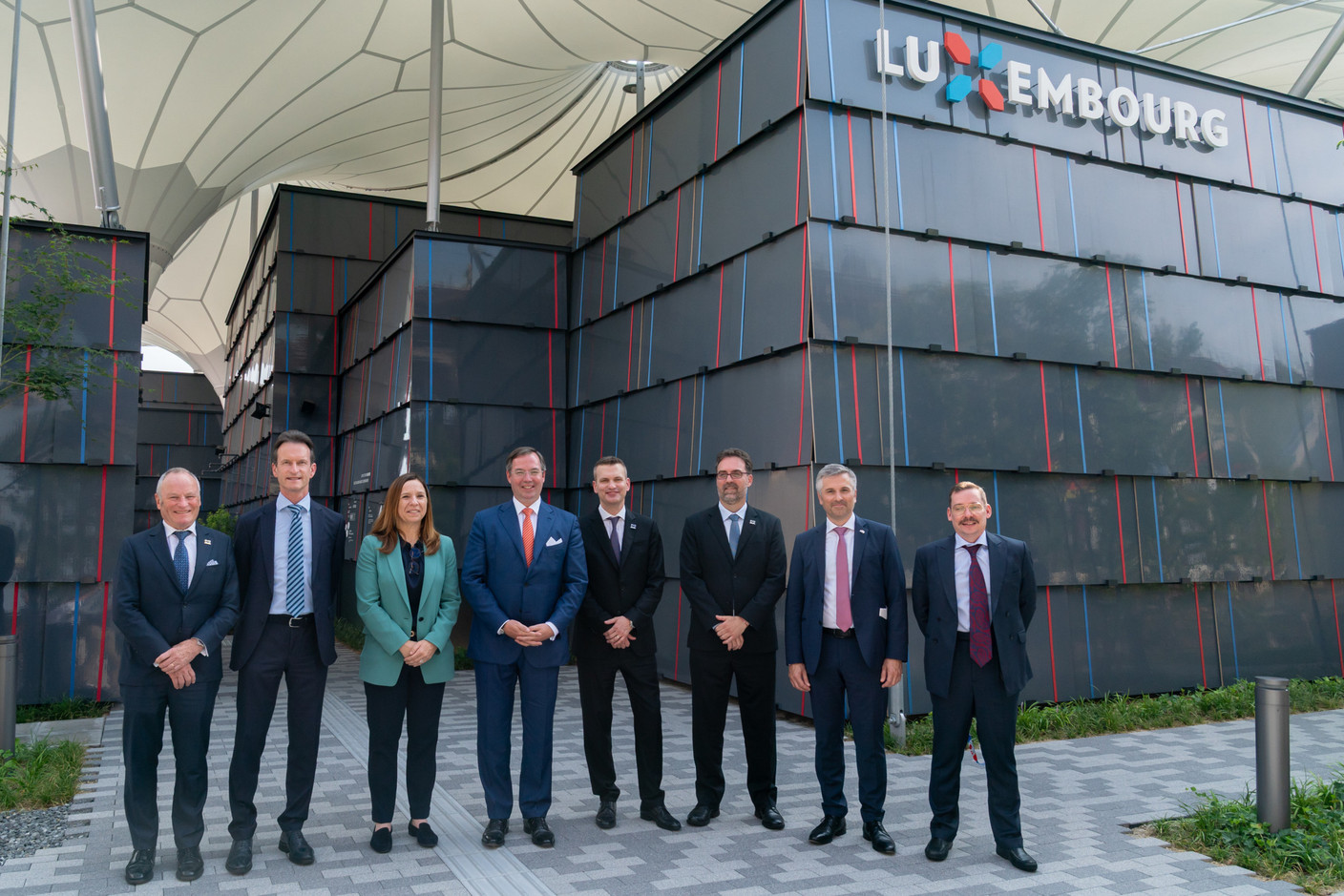
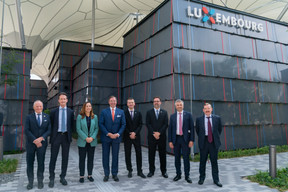
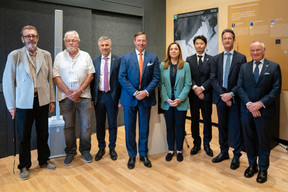
The first mission, in May, took place in the presence of 
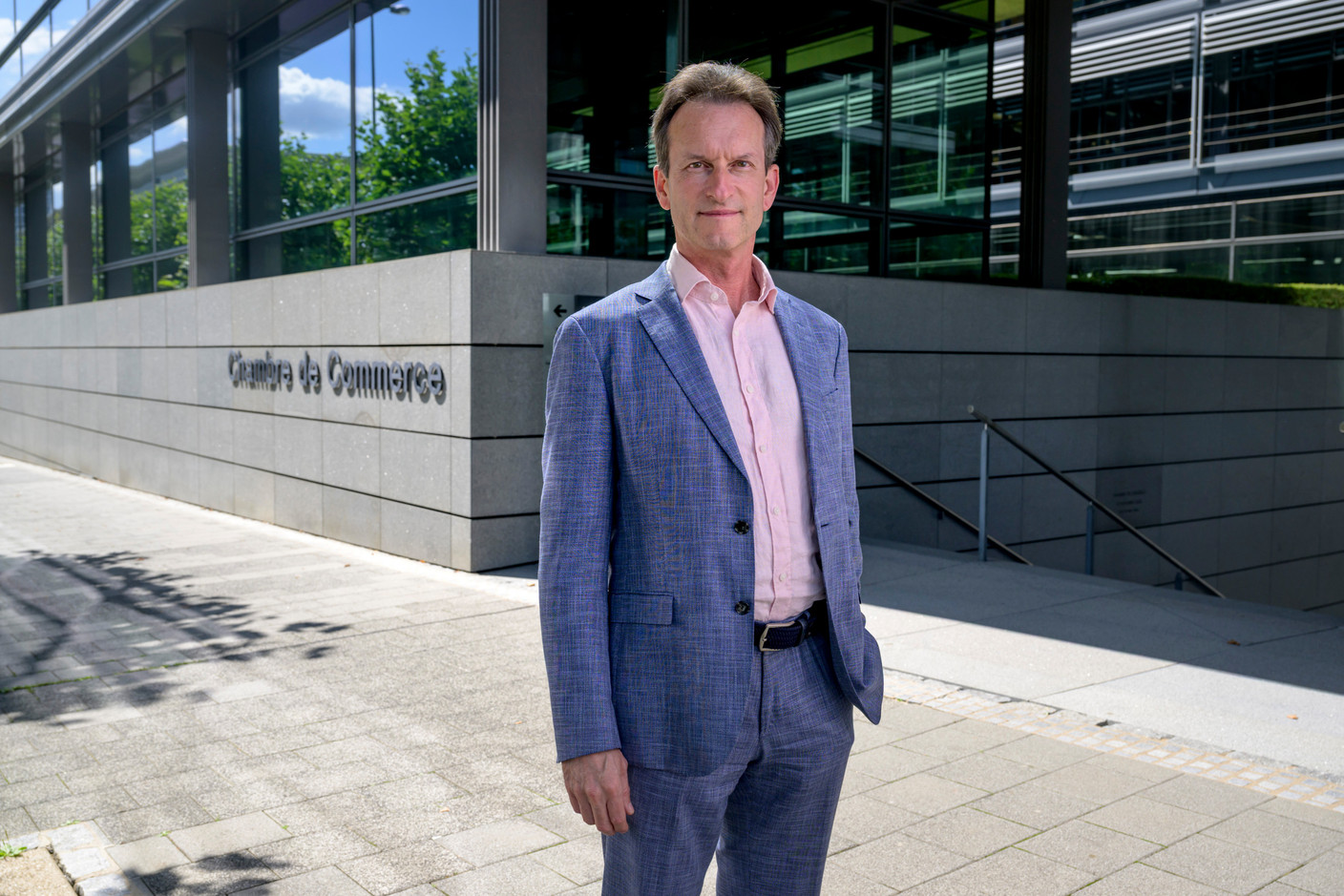
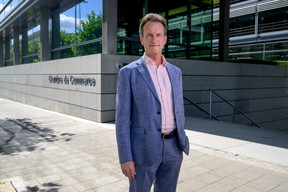
“Japan is a market that is both demanding and buoyant, requiring rigorous preparation and a long-term vision,” sums up the Chamber of Commerce’s director general, 
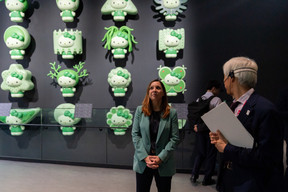
The programme alternated between high-level visits (Fujitsu, Mitsubishi, Amazon Japan, Kyoto Research Park) and sector-specific meetings. Participants visited and held discussions with Fanuc, the world leader in robotics, whose Luxembourg site is based in Contern; iSpace, a specialist in lunar exploration which has established its European headquarters in Luxembourg; and JCR Pharmaceuticals, a global company specialising in pharmaceutical products, which has set up its European logistics platform in Luxembourg.
Eighty B2B meetings were organised. Several companies have already started concrete discussions. “Japanese culture favours trust and continuity,” explains Thelen. “Building a relationship takes time, but once it’s established, it’s solid and long-term.”
Beyond business, the missions have opened up other channels: university exchanges, R&D partnerships and collaborations in the circular economy. Japan, with its dense network of universities, research centres and startups, is seen as a complementary partner for Luxembourg in a number of key areas.

A structured framework and an assumed bilateral strategy
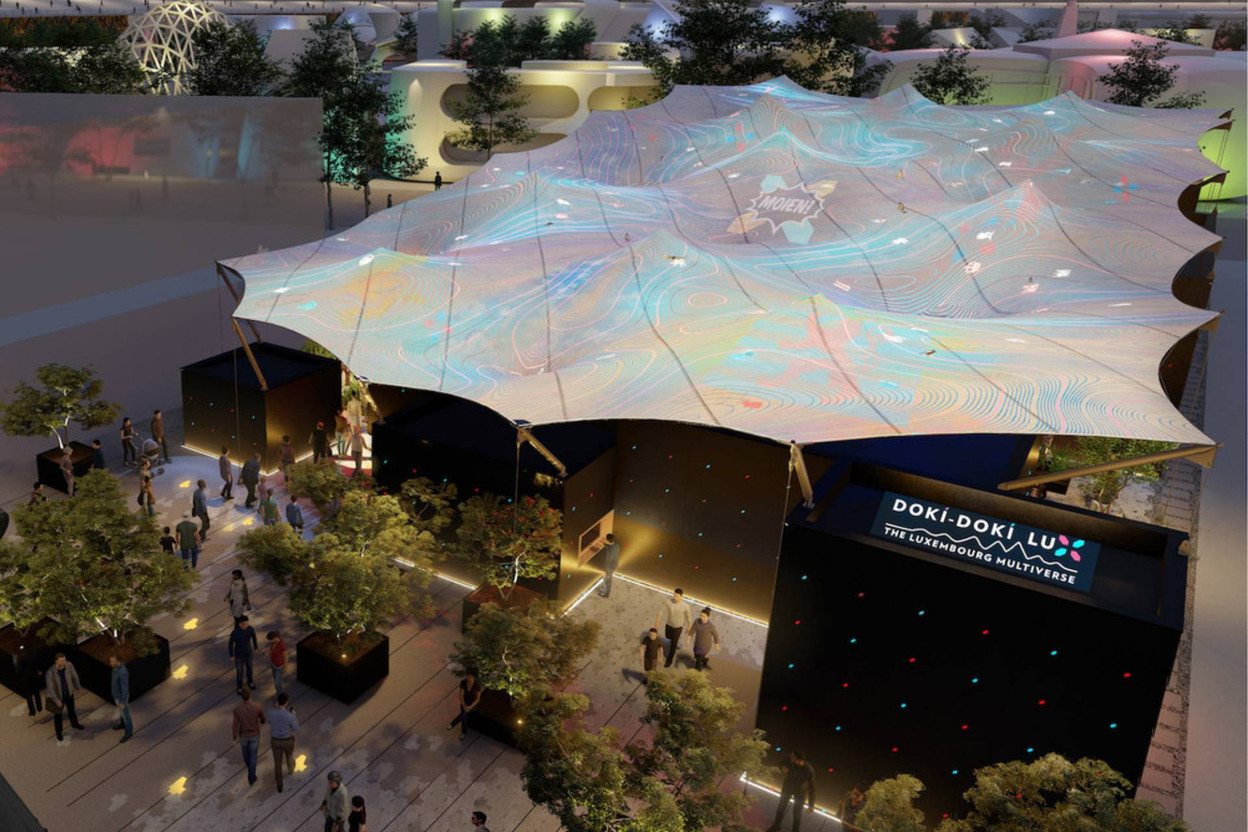
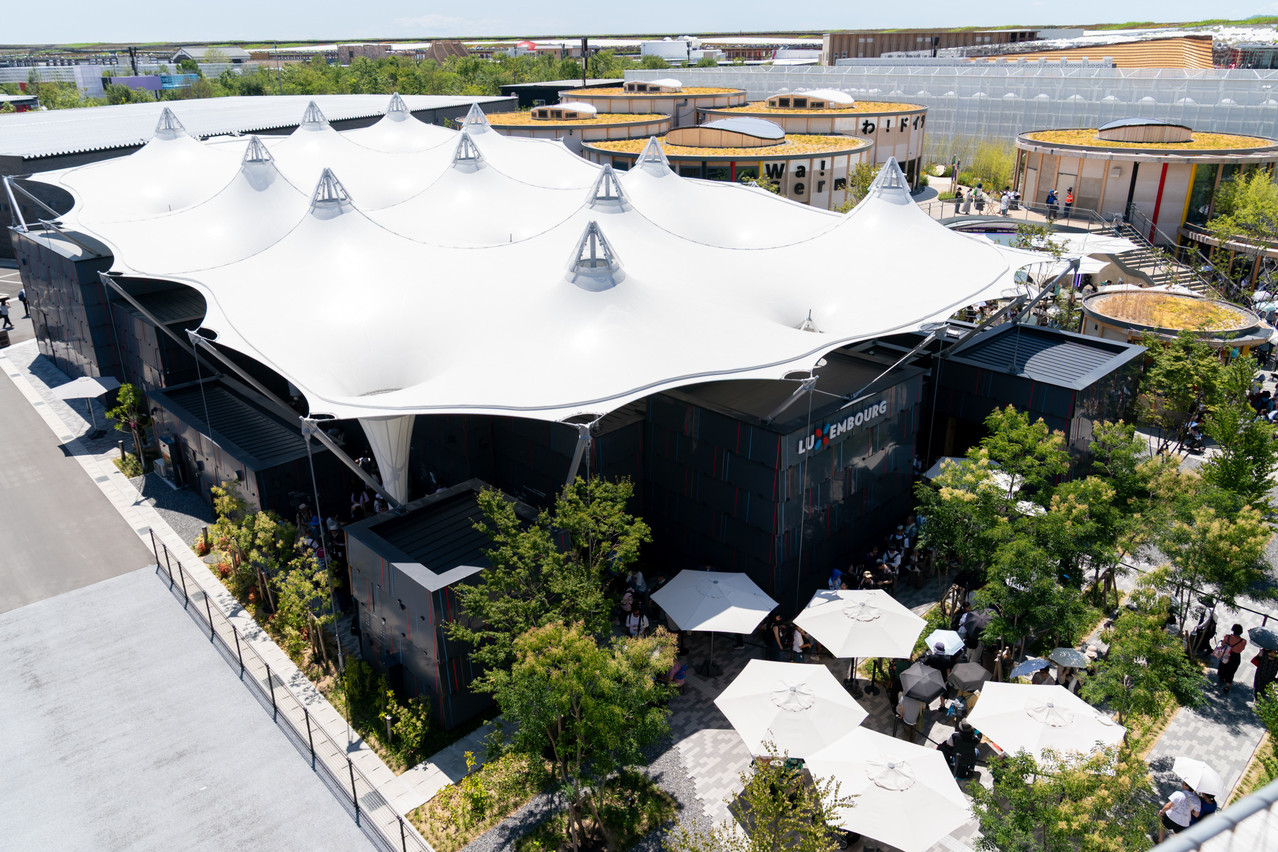
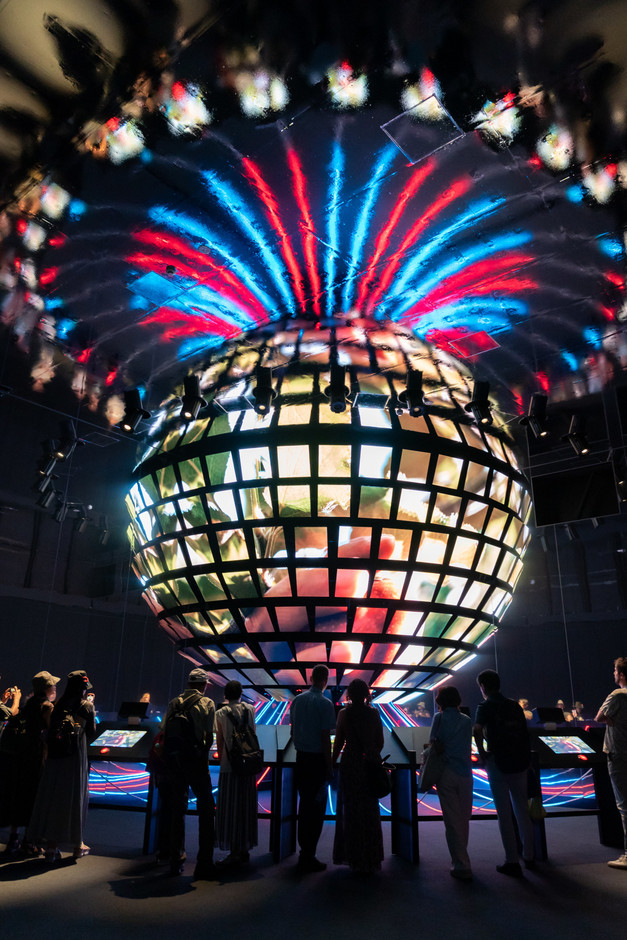
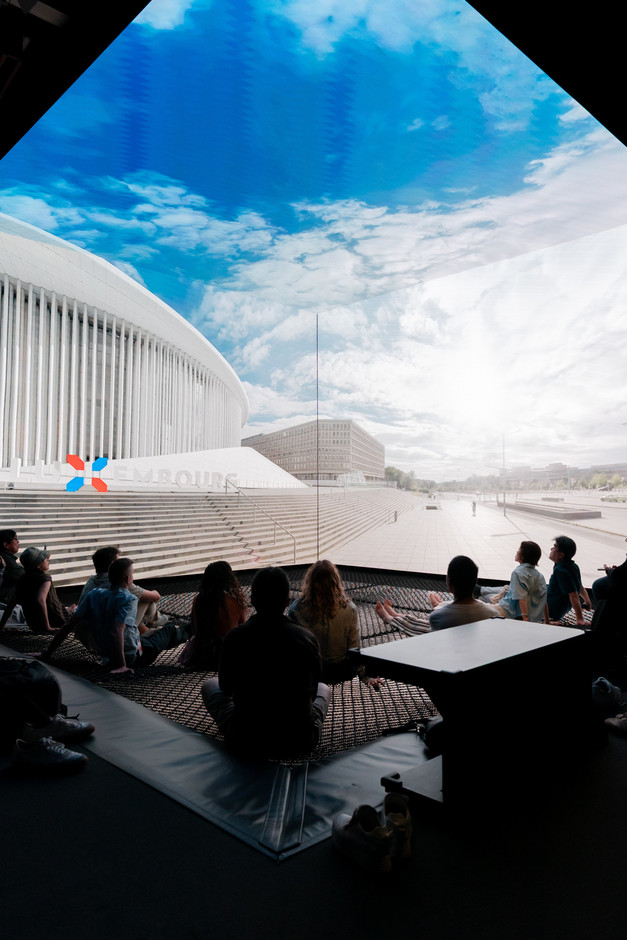
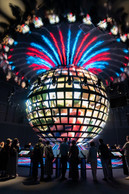
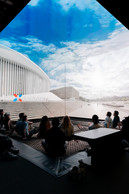
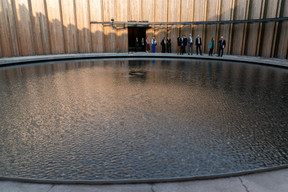
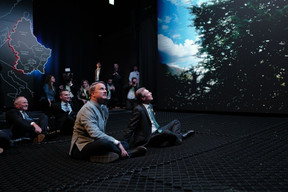
The Luxembourg pavilion, designed using a circular approach, quickly found its audience. 177,000 visitors were counted in June, with a daily attendance of 2,250 people, i.e., maximum capacity. It was ranked as one of the best pavilions by the Expo Association (9th place) and the Nikkei Business Magazine (3rd). Its immersive video, reusable materials and green credentials have won over a largely Japanese audience.
“In Dubai, the audience was international. Here, we are speaking directly to the Japanese, in their environment. This changes the way the message is perceived and has a completely different impact,” notes Thelen. In this way, the expo serves as a lever not only for promoting Luxembourg, but also for consolidating existing links.
The Chamber of Commerce, a public-law institution and member of the economic interest grouping (GIE) created for the expo, co-constructed the missions with the authorities. The Luxembourg embassy in Japan, the Luxembourg Space Agency, the pavilion management and the Luxembourg Trade & Invest Office in Tokyo played a key role in providing logistical support, identifying local players and organising visits.
The initial feedback from companies has been encouraging. Some, already active in Japan, have signed partnerships or contracts. Others have identified solid prospects, particularly in the space, healthcare and robotics sectors. This type of mission acts as a catalyst: it doesn’t necessarily generate an immediate deal, but it does trigger relationships that, in Japan, become established over time. In fact, to measure the real impact, the chamber is planning a two-pronged follow-up: a short-term survey on logistical quality; then a return, several months later, on the concrete commercial spinoffs.
In terms of trade, trade in goods between the two countries remains modest (€55.8m of Luxembourg exports in 2024 compared with €202.7m of imports), but the balance of services is largely positive, with €870.8m exported--mainly in finance. The grand duchy is home to six Japanese banks and three insurance companies with European headquarters in Luxembourg. The Luxembourg market is also seen by some Japanese groups as a logistics gateway to Europe, notably via Cargolux.
On the Luxembourg side, several companies are strengthening their presence in Japan: Talkwalker opened an office there in 2020, Bitflyer has been active there since 2018, Paul Wurth founded a joint venture with IHI back in 2012, while IEE, Rotarex, Clearstream or Luxcontrol operate there in industrial or regulatory niches.
This dynamic is part of a broader vision. “We want to maintain a balanced relationship in sectors where our economies are complementary: space, health, technology and sustainable development,” insists Thelen. The Chamber of Commerce in turn plans to invite Japanese delegations to Luxembourg and to continue the follow-up work via targeted seminars.
The Japanese market is attractive for its stability, its technological lead and its ability to forge lasting partnerships. It’s a dynamic that some Luxembourg startups have already begun to explore more closely, on the ground.
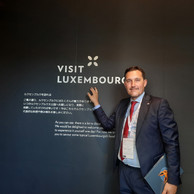
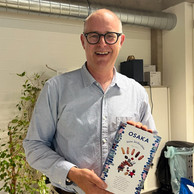
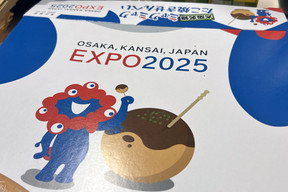
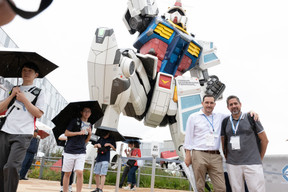
Strengthened space ties with Yuri Lux and Tumi Robotics
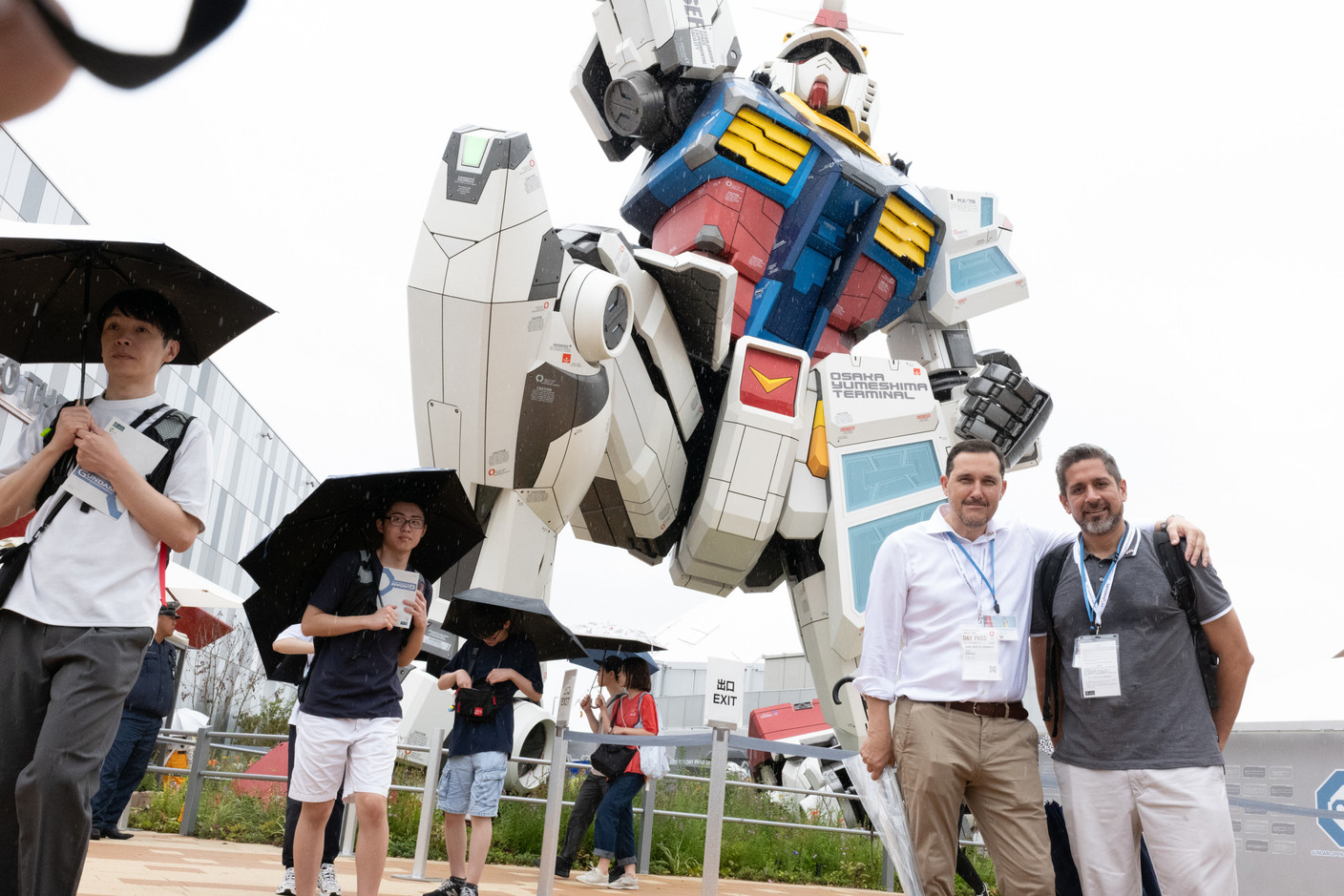
Two innovative Luxembourg-based companies--Yuri Lux, which specialises in microgravity research, and Tumi Robotics, which designs robots for extreme environments--took part in the economic mission to Japan in July. Their shared objective? To forge new partnerships in a country renowned for its lead in robotics, pharmaceuticals and space.
Yuri Lux, based in Esch-Belval, develops miniature biological modules for research in orbit. “My intention for the mission to Osaka was to make contact with potential customers in drug development,” explains Stefan Lübcke, managing director of Yuri Lux. “I’ve started to approach the big pharmaceutical companies, and I’m convinced that my willingness to go there will facilitate future developments.”
Tumi Robotics, founded in Peru and now active in Luxembourg via the Esric accelerator programme, designs autonomous robots to inspect hazardous environments--mining tunnels, submerged pipes, and eventually, the lunar surface. For the company, Japan represents more than just a market: an ecosystem that is already familiar.
“Our CEO studied for three years in Osaka,” says José Manuel Rodríguez Cordero, managing director Luxembourg. “We already had academic and institutional links, and this mission enabled us to reactivate them on a commercial level.” During the mission, both companies took part in B2B meeting sessions organised by the Chamber of Commerce. Yuri Lux turned to biotech players, while Tumi Robotics made contacts with robotics startups and space institutions. It also visited Mirai Innovation, a Kyoto-based company that develops humanoid and biomimetic robots, with the ambition of importing some of them to Luxembourg.
“We are in discussion with several entities we met on site--industrialists, but also a Japanese public body interested in our pipe inspection technology,” says Rodríguez Cordero. The mission also provided an opportunity to gain a better understanding of Japanese business culture. For both companies, adapting to the rhythm, codes and indirect forms of communication is part of the process.
Beyond the external contacts, the mission fostered unexpected exchanges within the Luxembourg delegation itself. Several companies discovered each other on the spot, such as Tumi, which is now looking forward to potential collaborations.
“There was a very good atmosphere--we met Luxembourg companies that we didn’t know,” emphasises Rodríguez Cordero. “It was an opportunity to share, to learn, and perhaps to create together.” Both companies praised the quality of the organisation. While Yuri Lux highlights the visibility provided by the Luxembourg Pavilion, Tumi Robotics stresses the support provided before the mission by the Chamber of Commerce.
With follow-up meetings already underway and future visits planned, notably to Japan, Yuri Lux and Tumi Robotics see this mission as a launch pad. Japan is now part of a wider strategy: that of an innovation triangle linking Europe, Asia and Latin America, with Luxembourg as an anchor.
This article was originally published in French.