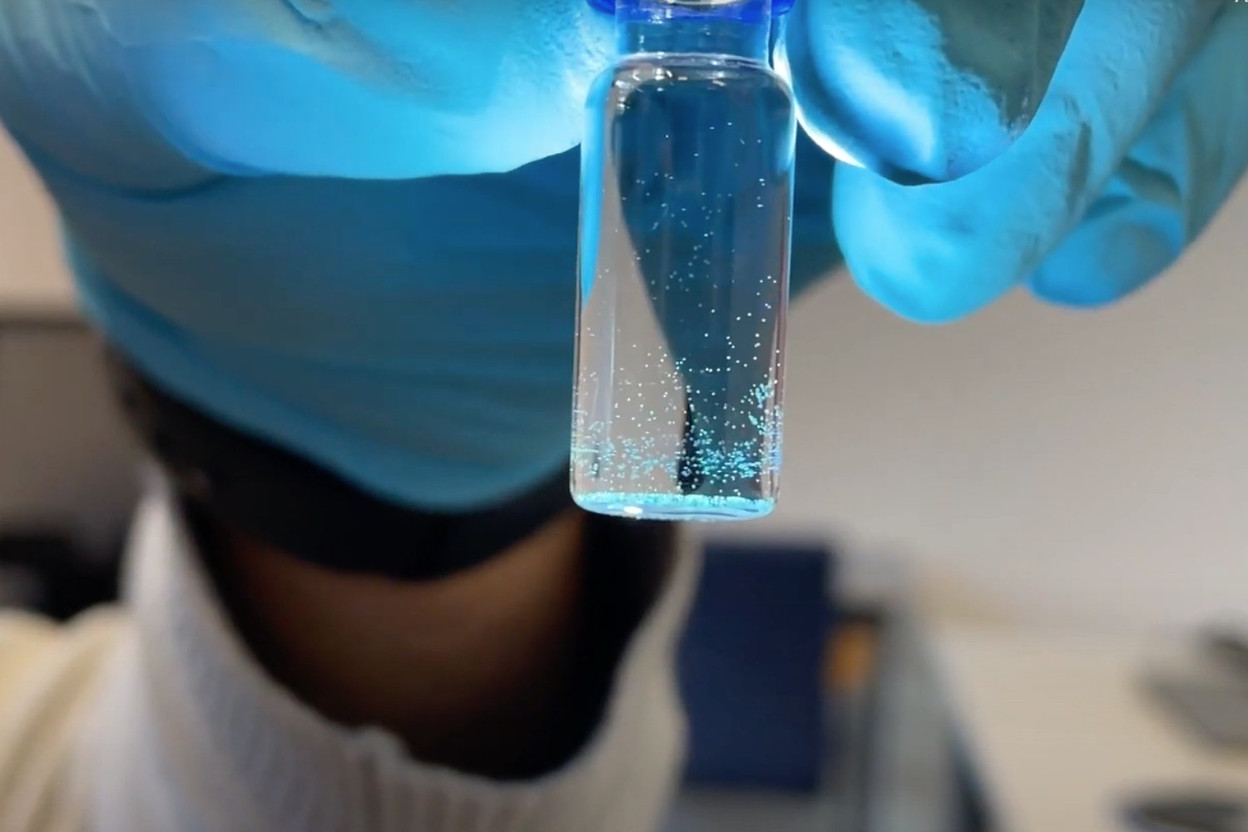
Founded by two former Airbus engineers in Germany, Yuri has always had its sights on more than the stars. Its mission? To transform scientific payloads--human cells, bacteria, organoids--into commercially viable research under microgravity and cosmic radiation conditions. These unique environments accelerate cell growth, improve protein crystallisation and reveal biomedical behaviours invisible on Earth.
Yuri Lux, the company’s Luxembourg-based subsidiary, celebrated its fifth anniversary this year. With 12 employees out of a global team of 40, it now designs, manufactures and services flight-ready lab platforms, including Europe’s first 3D bio-printer for space. Built for tissue engineering and organoid research, this printer reflects the company’s pivot toward regenerative medicine, oncology and long-term health applications.
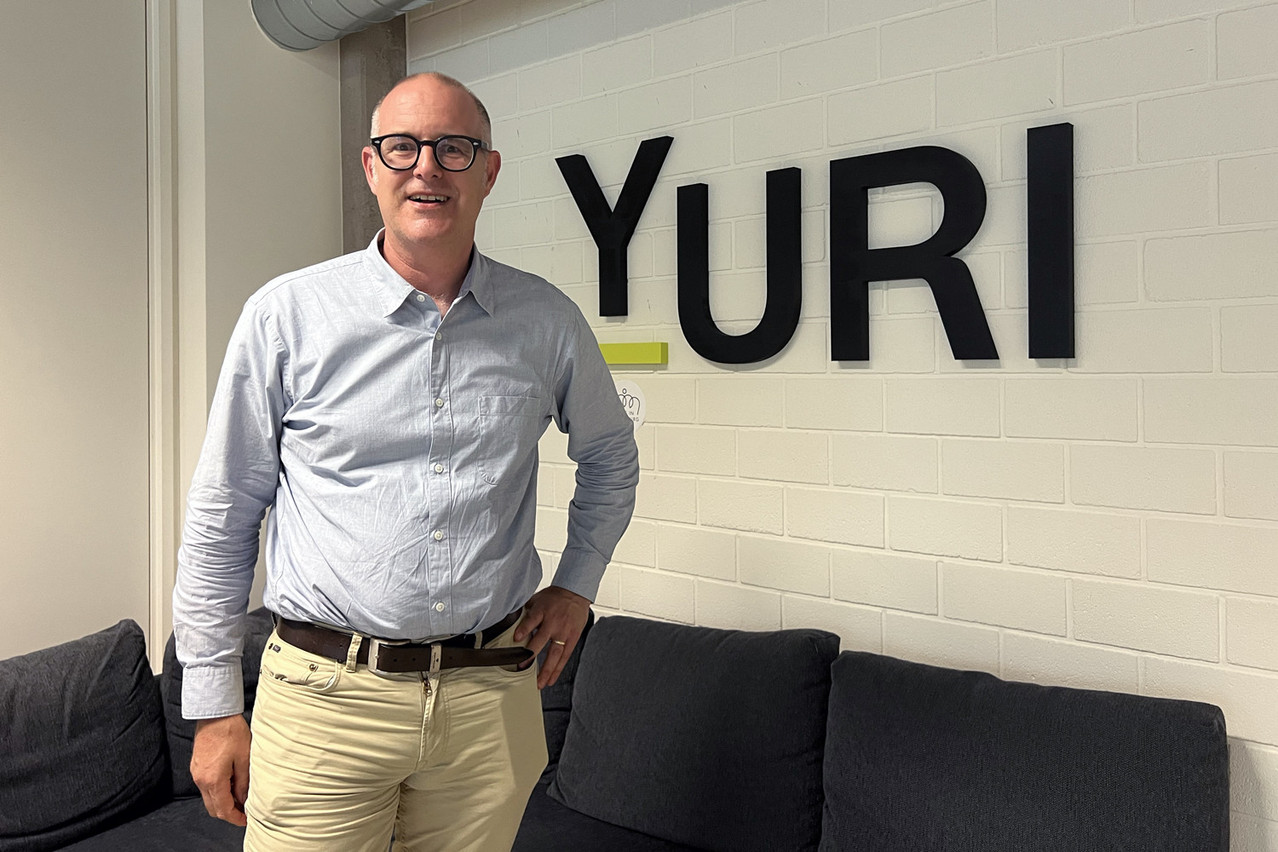
The managing director of Yuri Lux, Stephan Lübcke explains: “Before we established Yuri Lux, we had to rent equipment (experiment platforms) to carry our hardware for missions to the lower earth orbit. Now, we’ve developed and manufactured our own state-of-the-art platforms--made in Luxembourg.”
The choice of Luxembourg was strategic: the country’s high investment-to-population ratio, support from Luximpulse and proximity to the Luxembourg Space Agency (LSA) gave Yuri the perfect launchpad. In 2024, the company also received the “Made in Luxembourg” label, formalising its role as a hardware innovator embedded in the national space ecosystem.

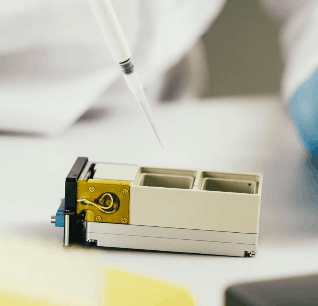
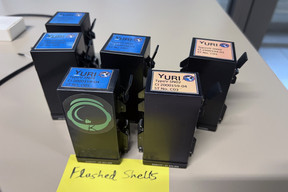
A one-stop shop for scientific payloads
Yuri’s core offer is a full-stack service for scientific payloads. The company miniaturises biological experiments, integrates them into space-ready containers and ensures their safe journey to and from orbit. Its ScienceTaxi platforms are compatible with the International Space Station (ISS), free flyers and even Vast’s upcoming Haven-1 station, where Yuri is a consortial partner.
This sets Yuri apart from brokers, which rely on third-party infrastructure. Yuri’s in-house platforms offer customisation, integration and proprietary operations--making them better suited for high-stakes pharmaceutical R&D.
We do more than just renting space or booking launches. We own and operate the flight hardware. That gives us full control over quality, modularity and scientific integrity.

The client base is growing. On the public side, the European Space Agency, the LSA and the German Aerospace Center (DLR) have trusted Yuri with research missions. The Cellbox mission, run by the DLR, remains the company’s largest project to date. On the private side, Yuri has worked with GSK, Mac and Luxembourg-based Astrobiome, while partnering with Berlin Charité and List on academic research.
In 2024, Yuri Lux posted €2.7m in revenue, and 2024 marked its first profitable year. The company continues to invest in its own intellectual property, with recent patents filed on technical platforms and ongoing work toward biological IP protection.
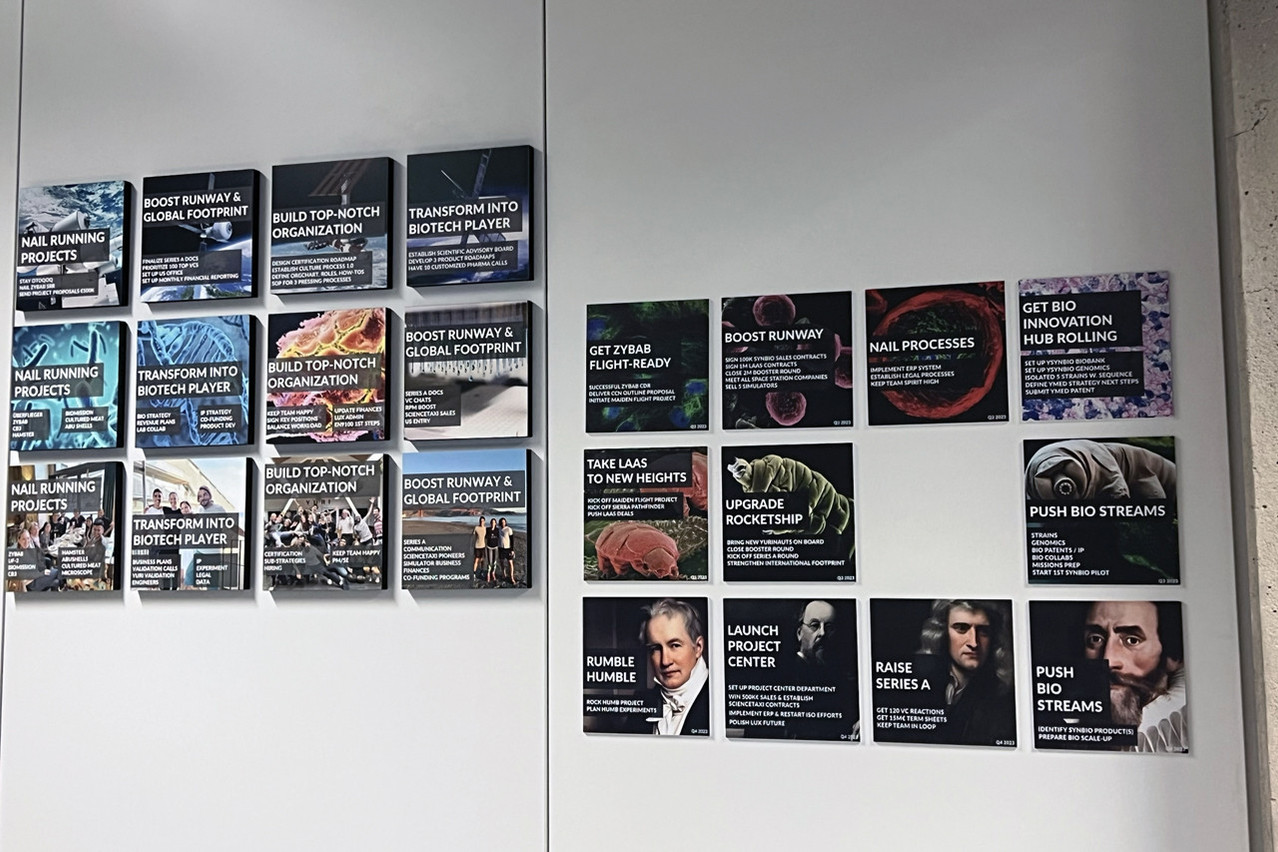
The company’s yearly objectives are posted on the wall of Yuri Lux’s office, located in Belval’s Technopole. Photo: Emilio Naud/Maison Moderne
Vision and challenges ahead
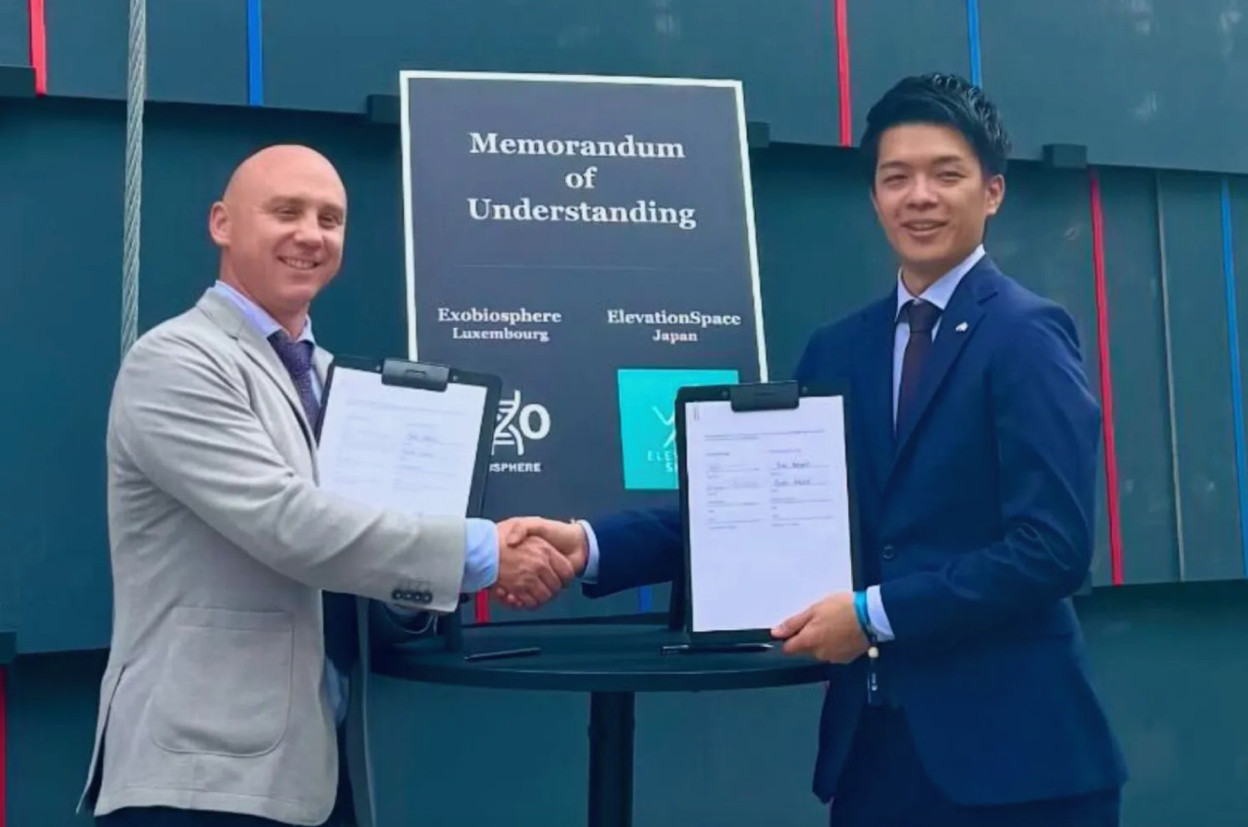
Yuri’s ambitions go far beyond a single mission. The company recently took part in a Luxembourg economic delegation to Osaka, exploring opportunities in oncology, space medicine and pharma partnerships.
“The industry is still hesitant,” says Lübcke. “Our challenge is to close the supply-demand gap and make microgravity services clear and valuable to decision-makers.”
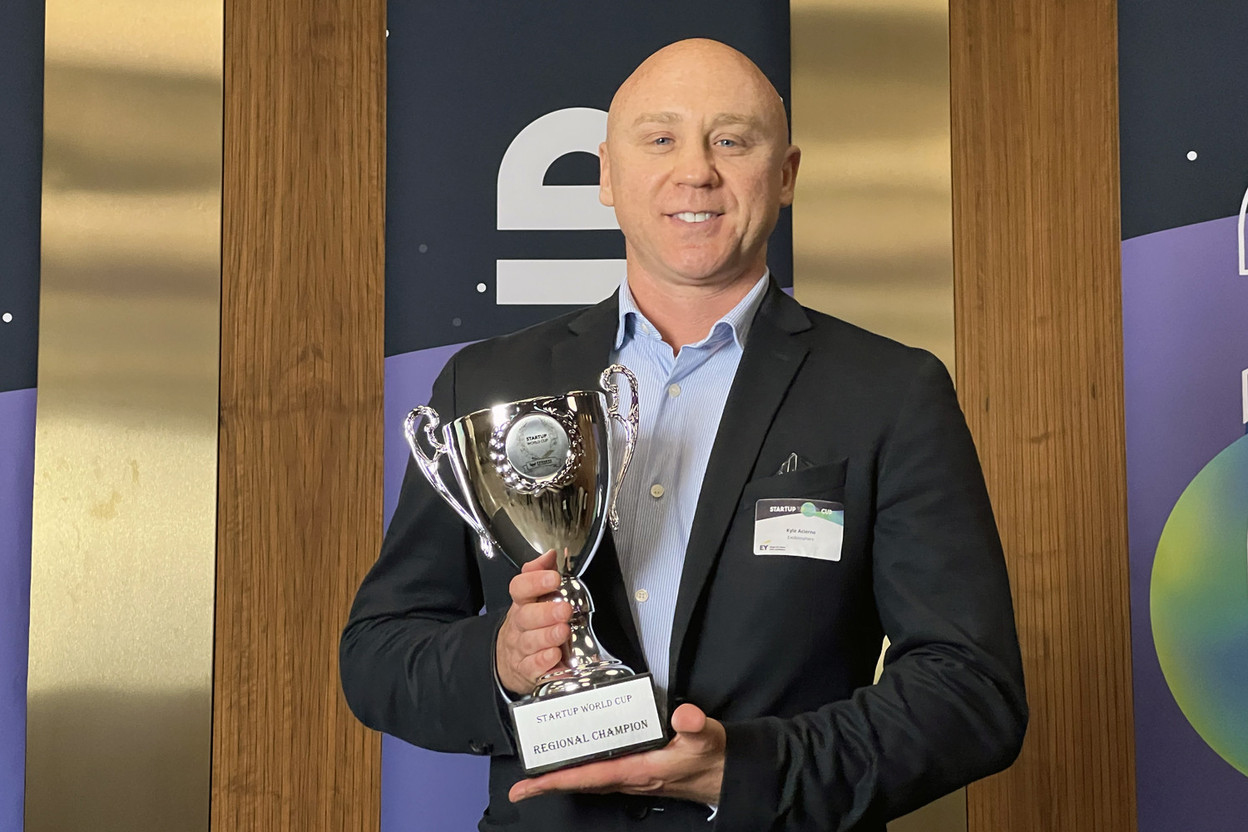
The company was also nominated for the 2024 Startup World Cup, reflecting its growing visibility in Europe and beyond. But commercial success, Yuri says, won’t come from one-off experiments. What they want is repeat clients, sustained results and real-world impact.
“The success factor isn’t just sending one payload. It’s having a champion client who keeps coming back and signals an application case to the industry. That’s what turns an experiment into a business,” the managing director concludes.
As the company eyes new markets, it remains critical of the fragmented state of Europe’s launch sector and calls for more unified action and long-term support from space agencies. Until then, Yuri is betting on the resilience of its model, the strength of its platform and the global need for better science in orbit.