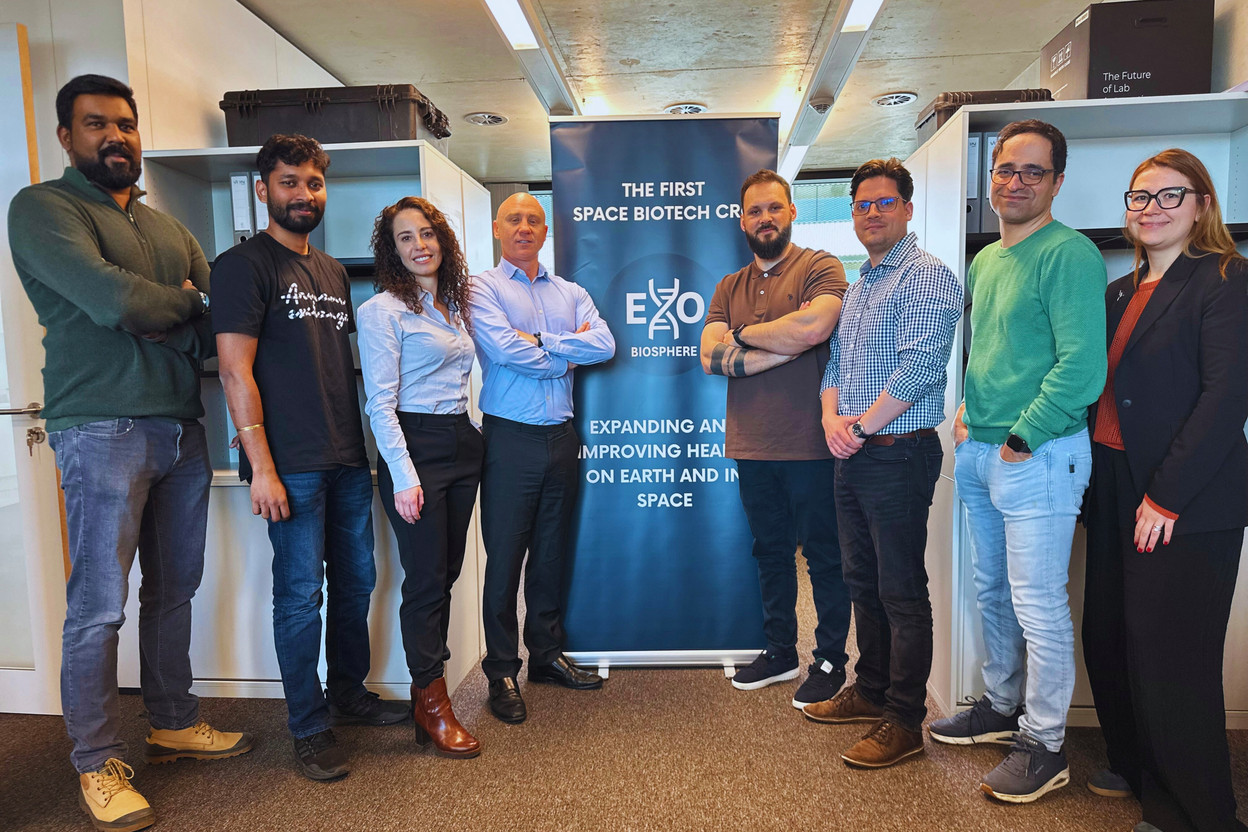
The aim is clear: to accelerate drug discovery by exploiting the unique effects of microgravity on human cells. This space environment promotes cellular ageing and the progression of certain diseases, making it an ideal environment in which to test and model pathologies with unprecedented precision.
But currently, opportunities to return samples from the International Space Station are limited to three or four times a year, putting the brakes on the rapid test cycles needed for pharmaceutical research.
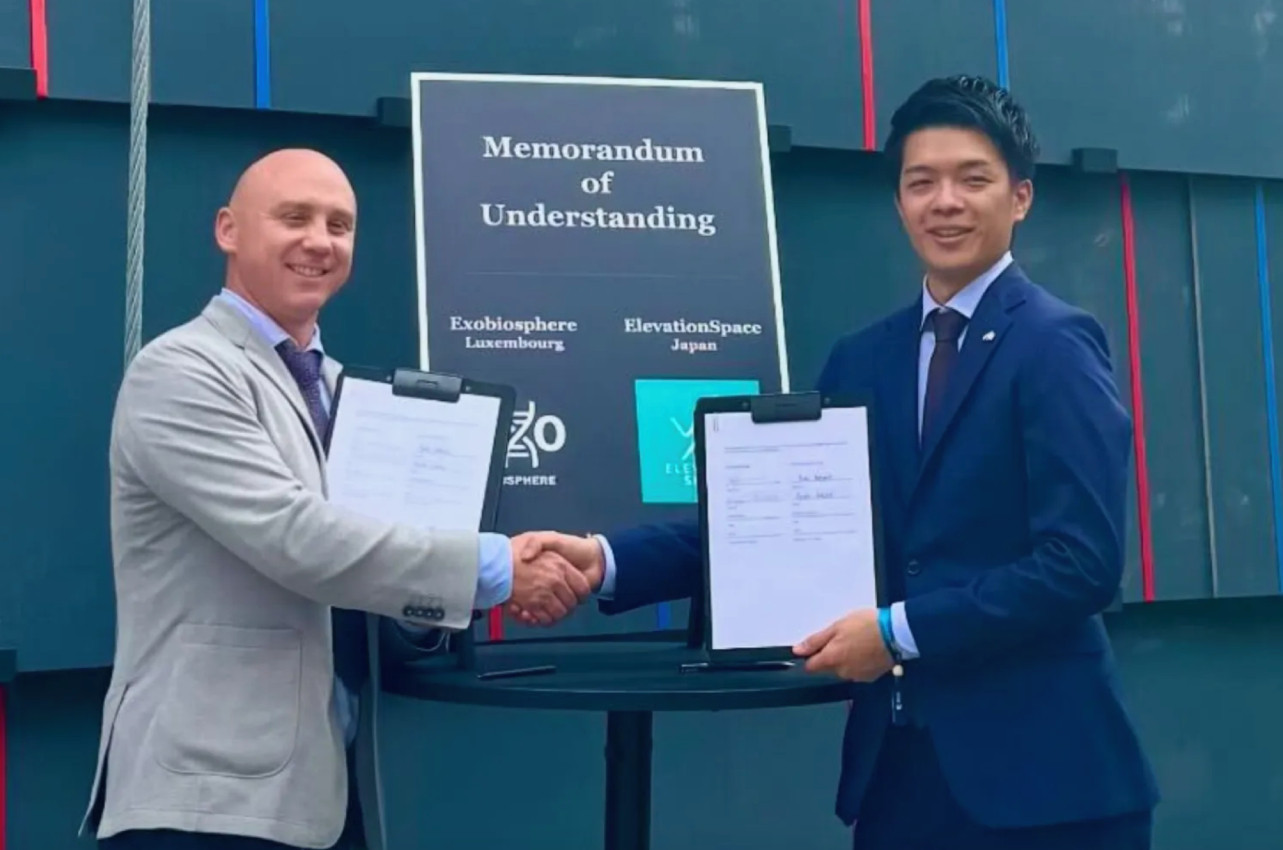
The two companies have agreed to co-develop demonstration missions aboard the International Space Station, future commercial stations or autonomous satellites. They will also work on the technological integration and optimisation of sample recovery logistics chains, while exploring collaborations with the pharmaceutical industries in Europe, the United States and Japan.
The core of the partnership is based on the integration of the OHTS (orbital high-throughput screener) technology developed by Exobiosphere into the fast return space platforms designed by ElevationSpace: ELS-R (free satellite) and ELS-RS (return capsule from a space station).
With ELS-RS, ElevationSpace aims to offer monthly returns, an essential lever for more efficient iterative testing.
“This partnership marks a decisive step in transforming space experiments into concrete applications, particularly in healthcare,” explains ElevationSpace CEO Ryohei Kobayashi. “Thanks to our high-frequency return system, we can give a real boost to biomedical research from space.”
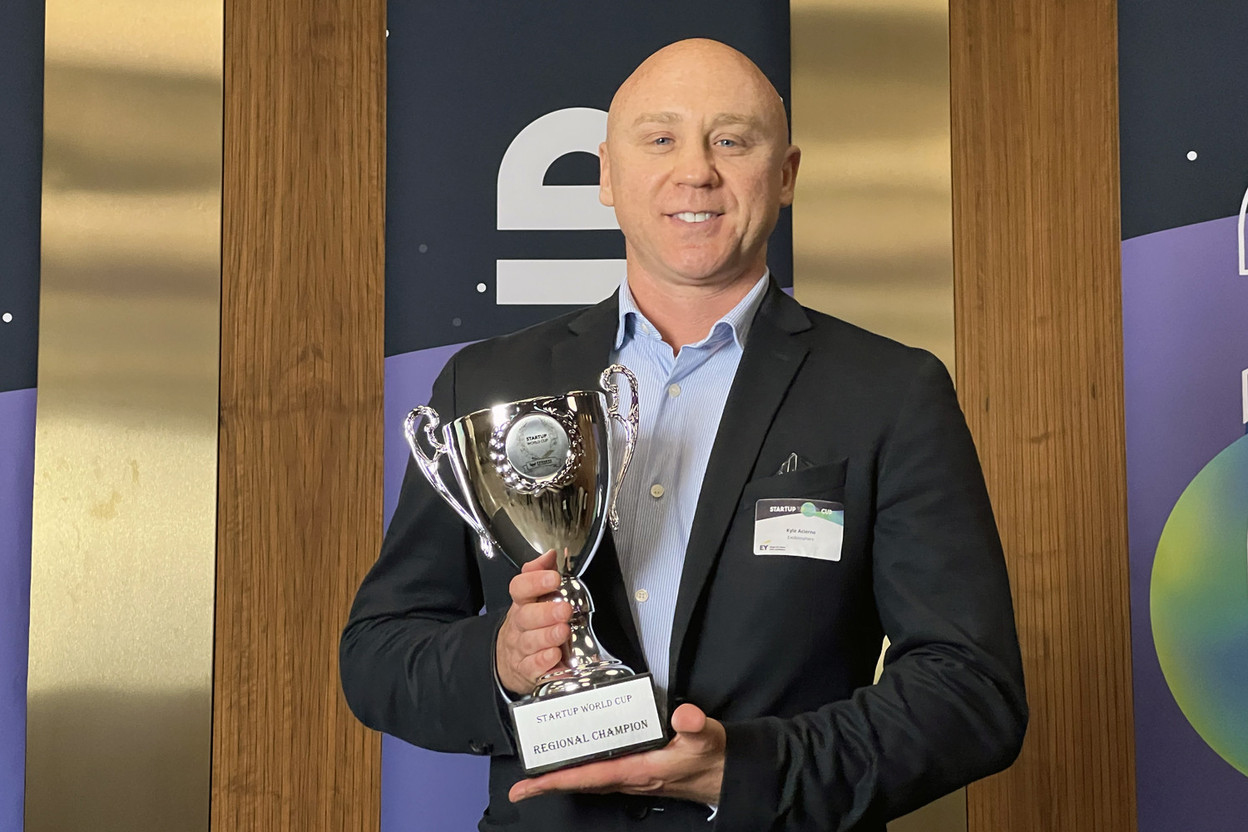
“Our aim is to build a bridge between cutting-edge microgravity research and drug development on Earth,” adds Kyle Acierno, CEO of Exobiosphere.
This article was originally published in French.