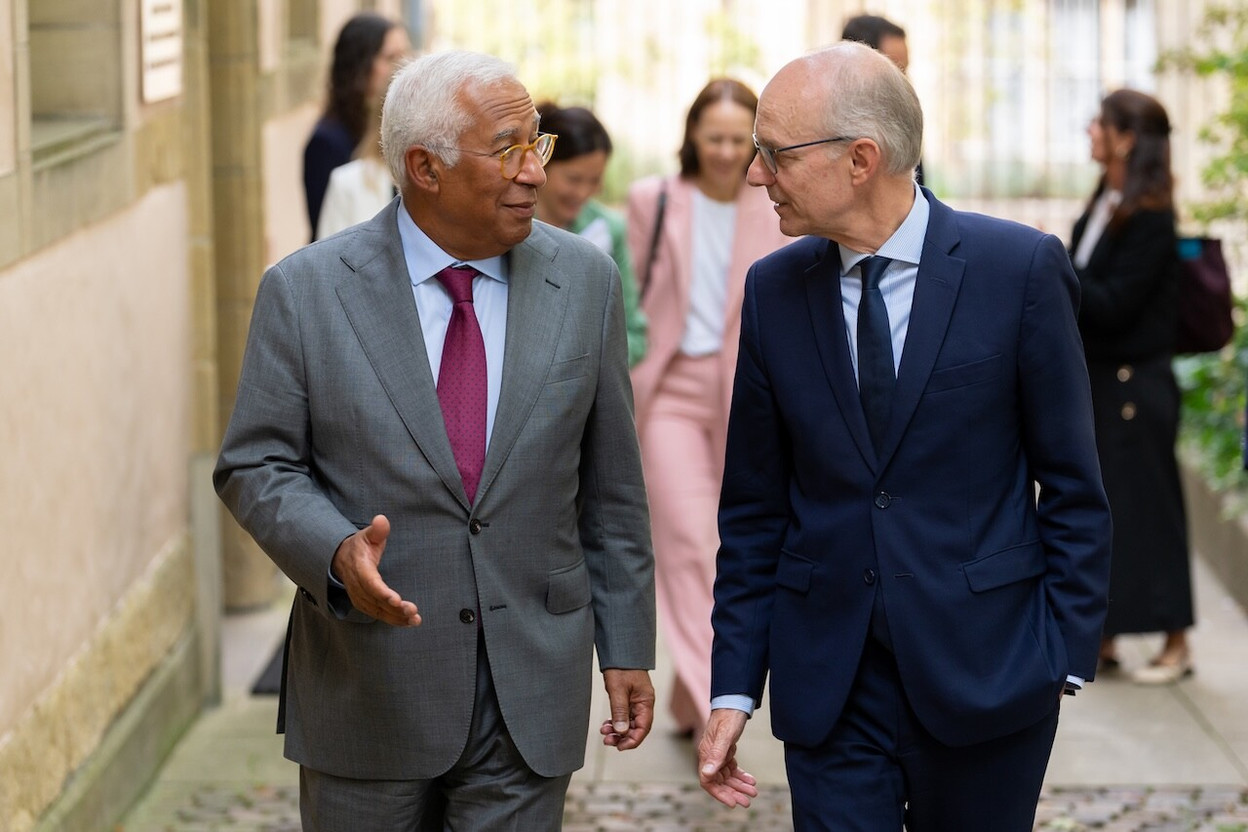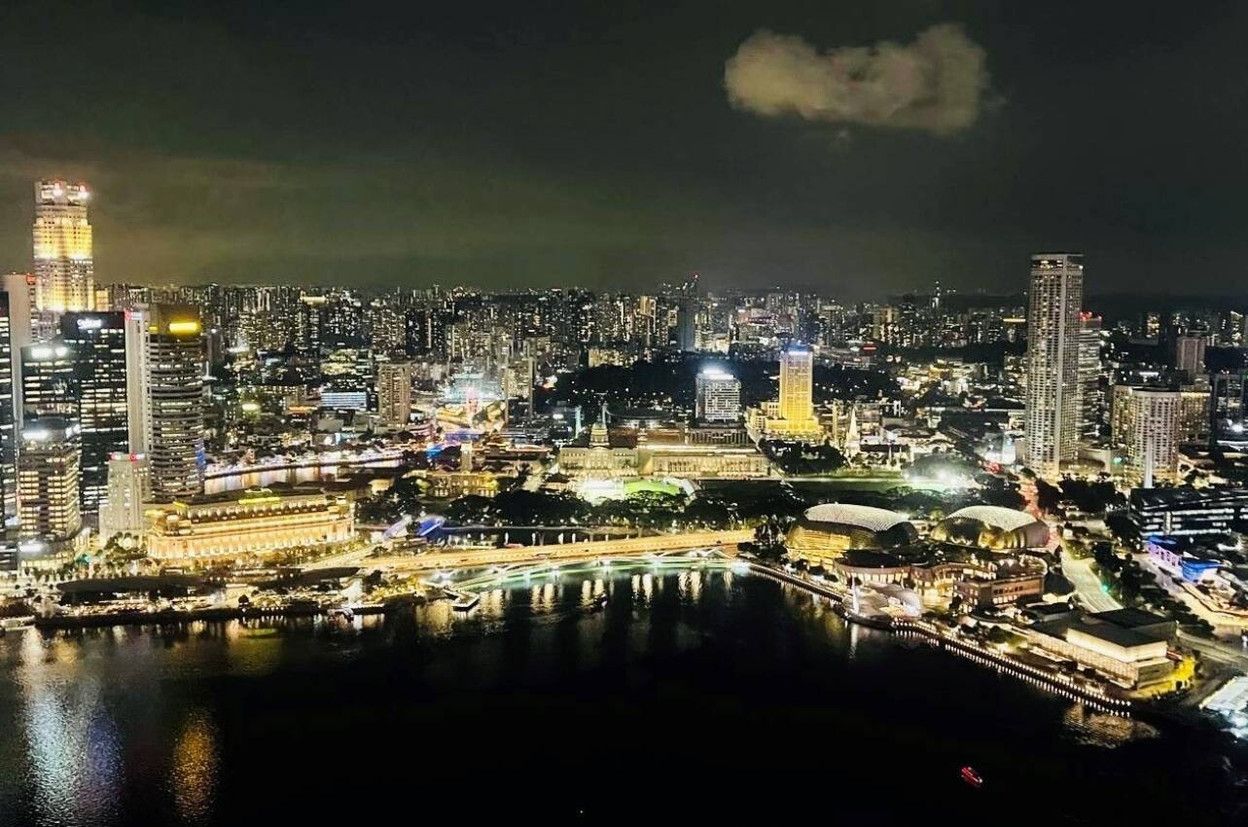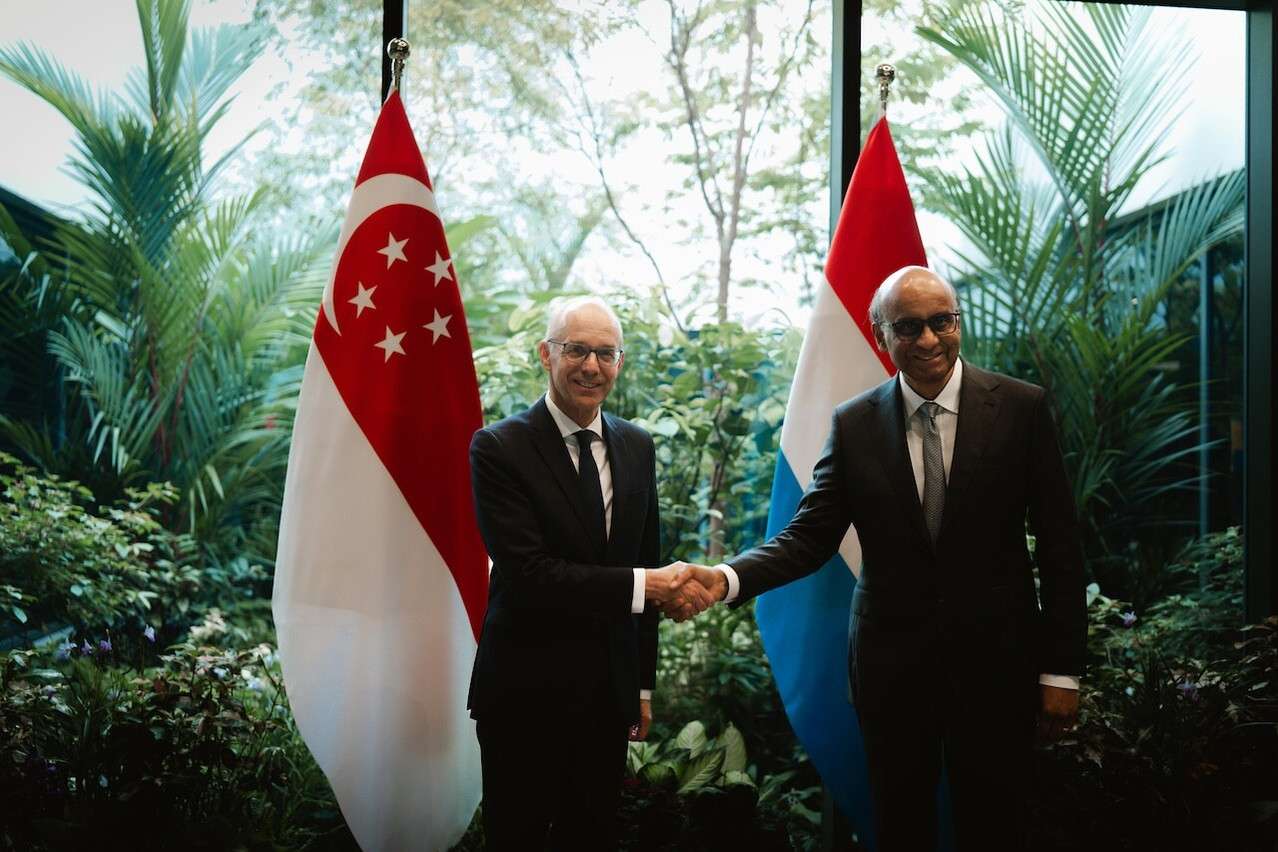
Relations between Singapore and Luxembourg are going well. In March 2025, the President of the Republic of Singapore, Tharman Shanmugaratnam, paid a state visit to Luxembourg to mark 50 years of bilateral diplomatic relations. On 1 December 2025, Luxembourg’s resident embassy in Singapore was officially established. It was inaugurated on 25 July.
On the Prime Minister’s agenda, 
Sovereignty according to Luc Frieden
Luc Frieden also took the opportunity during his visit to deliver a speech at the Iseas – Yusof Ishak Institute, one of Singapore’s leading forums dedicated to major international issues, which regularly hosts prominent leaders – in which he set out his vision for Europe in the face of geopolitical and economic changes. His message is clear: the Old Continent must assert itself without copying other powers, by combining sovereignty with fundamental values.
For Luc Frieden, sovereignty is not synonymous with isolation or protectionist withdrawal. Quite the contrary: it lies in the ability to choose one’s partners – as Singapore has done – and to chart one’s own course. Faced with the decline of multilateralism and the rise of Sino-American rivalries, Europe must aim for “meaningful autonomy”. This concept reconciles the reduction of strategic dependencies with the absolute preservation of the European way of life, based on social justice, the rule of law and freedom.
Defence, energy and AI
How? According to the Prime Minister, three key priorities must guide collective action to achieve this goal. The first is the defence and space sector. Faced with the return of war to Europe, Luc Frieden urges the continent to strengthen its deterrent. This requires greater industrial integration and innovative financing, such as the new Defence, Security and Resilience Bank, launched in partnership with Canada. Furthermore, Europe must urgently deploy its own multi-orbit satellite infrastructure to ensure secure, independent communications.
The second priority is energy. In the Prime Minister’s view, having demonstrated its ability to respond swiftly by rapidly reducing its dependence on Russian gas, Europe must now build its own interconnected energy network. Driven by renewable energy, this integrated network is the key to bringing prices down whilst leaving a healthy environment for future generations, he believes.
Finally, with regard to artificial intelligence, Luc Frieden believes that, if the EU is to remain in control of its technological destiny, AI must be designed “of Europe, by Europe and for Europe”. He goes on to advocate for an ethical innovation ecosystem, supported by researchers, widespread adoption and exclusively European capital.
An ambitious vision for the future of the Old Continent, which requires strong growth to underpin the massive investment needed. In the Prime Minister’s view, Europe must not seek to imitate either America or China. It must find its own place in the world by drawing on boldness, competitiveness and its democratic values.