Labour minister Georges Engel in April said that he wants to commission a survey to examine how feasible it would be to reduce working time in the country down from a 40-hours week. A petition in support of a 35-hour week has collected more than 4,500 signatures, meaning it must be debated in parliament with lawmakers.
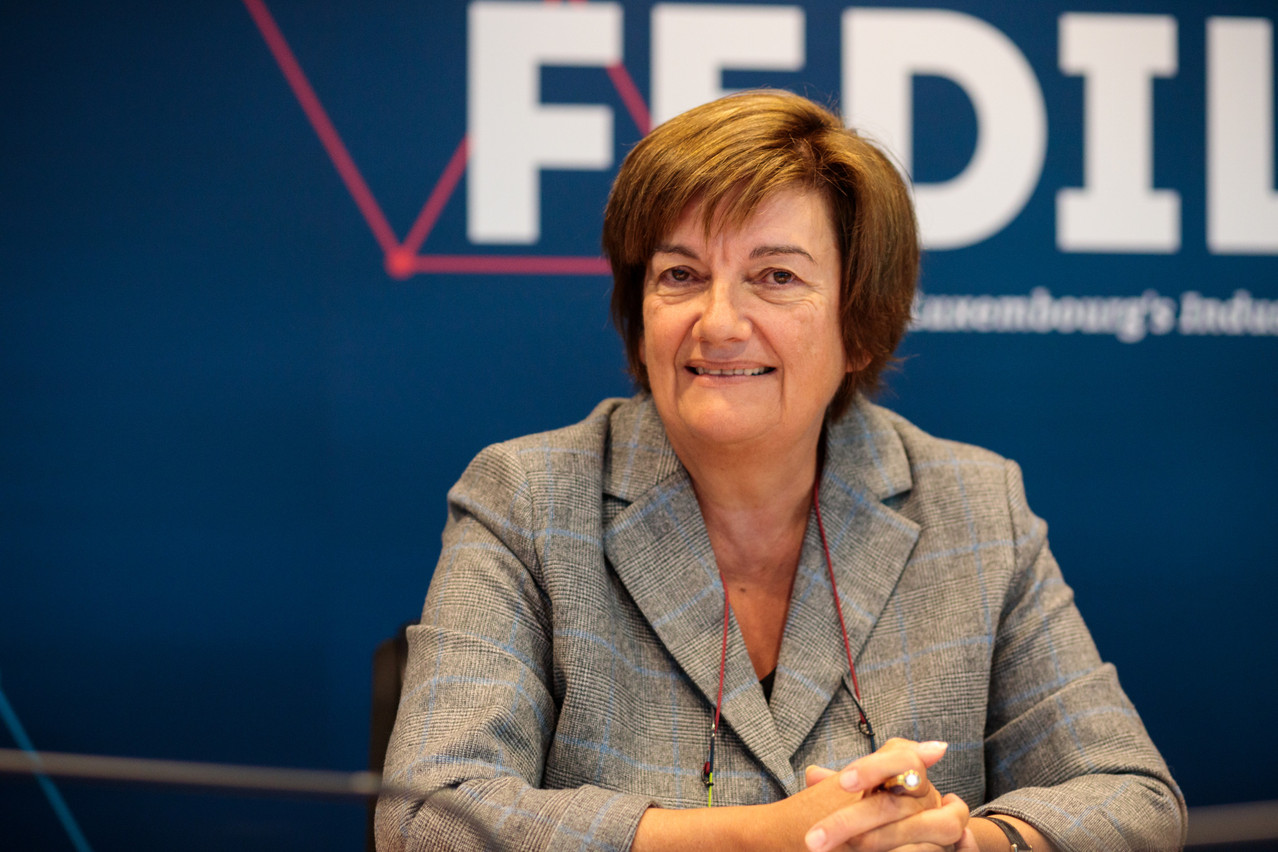
“Business representatives are frightened by political attempts to pull wool of the eyes of voters with the idea of a general reduction in working hours, out of step with the realities of the functioning of the labour market,” said Michèle Detaille, president of Fedil, in a statement on Tuesday.
Fedil met on Monday to discuss hot button issues, such as the rise in energy prices, inflation and the shortage of labour.
The group decided to carry out a “serious and in-depth” survey with its member companies and in potential partnership with other business interest groups in Luxembourg to better understand the phenomenon, Fedil said in a statement.
The issue of a lack of staff extends beyond the private sector, said Detaille, and “risks becoming a real societal problem.”
Already, Luxembourg depends heavily on a foreign workforce. The job market attracts around 200,000 cross-border workers from the greater region. Of the roughly 246,000 resident workers, nearly half are non-nationals.
Attracting and retaining talent was seen as one of the key challenges for Luxembourg in the latest edition of the Global Competitiveness Yearbook, where the grand duchy slipped to 13th place this year, down from 12th position last year and its top 6th rank in 2015.
At the same time, a survey by the Chamber of Employees earlier year showed that a quarter of people are thinking of leaving their job, with dissatisfaction in the workplace growing.