In order to understand the difficulty of finding talent in the building sector, it’s essential to first consider the several revolutions currently underway in that sector. The speed of technological change, the push towards sustainability, the merging of companies, the new methodology of construction, the creation of utterly new professions--all of these factors influence the question of skills on a level that can seem frightfully basic. “What is a skill?” asks Marc Ant, managing director of the Competence Centres of the Luxembourg Crafts Sector (Centres de Compétences de l’Artisanat, or CDC).
Founded in 2015, the CDC brings together trades related to building technologies (electricity, sanitary, heating, ventilation, etc.) and house finishing (floors, roofs, wood, metal, glass, etc.) Since 2016, it has trained over 30,000 people across 7,700 sessions. Taken together with its other activities, which include running a similar facility in Cabo Verde as well as a new academy for educating real estate professionals, the CDC is among the largest training centres in Luxembourg.
The mere process of creating the CDC’s curriculum is complex. “The development of skills is technology-driven,” Ant explains, specifying that they don’t design courses around skills as much as around the technological developments occurring in the sector. “So we have to observe what’s going on in the market.”
To do that, they exchange with the industry itself, which constantly produces new or updated devices; incorporate top-down directives, such as the energy ministry’s focus on decarbonisation; and consider what companies need and want, such as help with digitalisation and regulatory challenges.
The main trend: integration
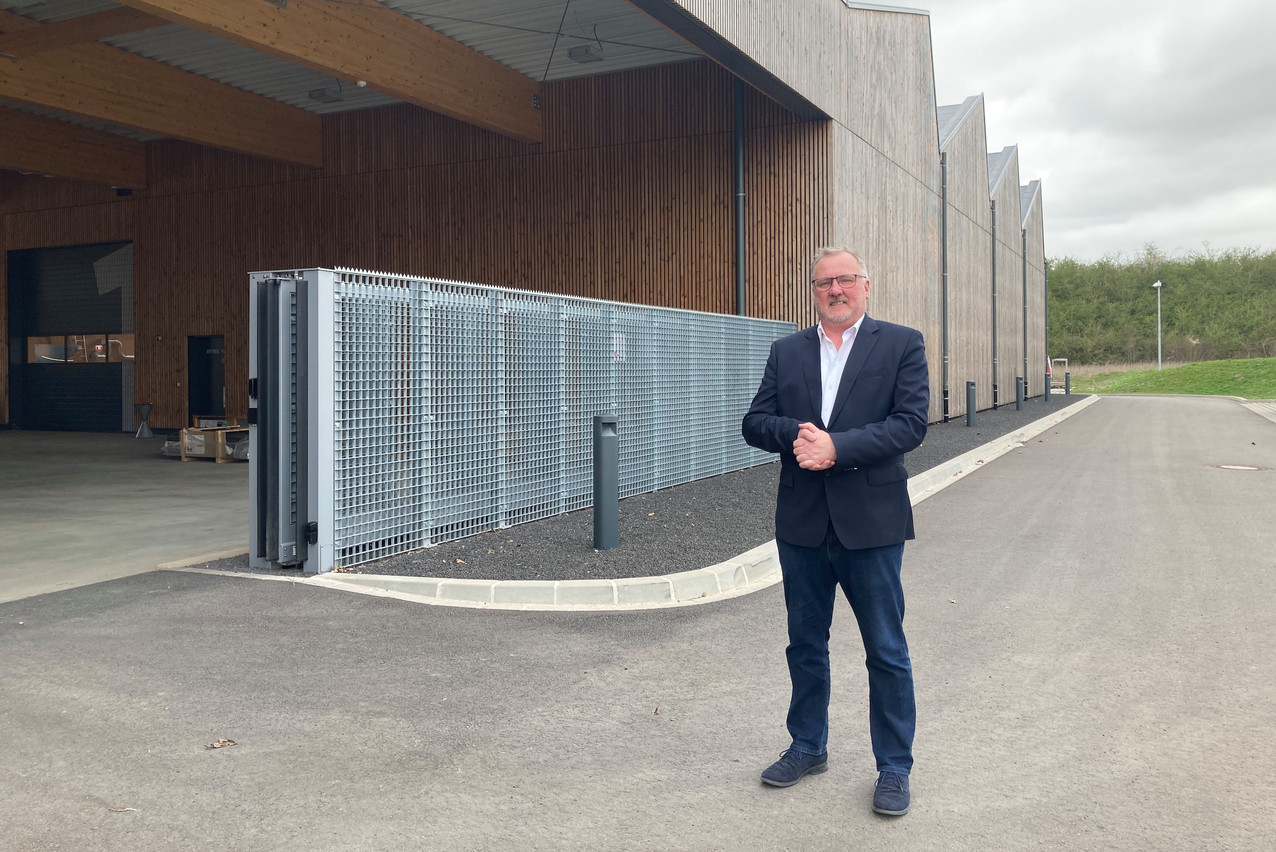
“A building is not built in a linear order anymore,” says Ant. Traditionally, up to 15 separate tradespeople would come to the site in sequence, each one adding a layer to the whole. But this approach doesn’t work anymore. “This is a complex building,” he explains, talking about the CDC’s new facility. “The ventilation has to do with the temperature, the temperature has to do with the solar panels on the roof, and with many other things… we have two big heat pumps--and all this has to be coordinated.”
The result? Integration. Not just of systems, but of professions. Electricians have to know something about ventilation, ventilation experts have to tap into the electricity network, etc. It isn’t enough to remain in your silo anymore, despite the tendency of many professionals to do so anyway. “Young folks have no problem with it,” says Ant, referring to these fundamental changes. “Others do.”
A related trend, he adds, is that companies have begun merging with each other. “The construction sector has more and more companies that have all 15 trades instead of only one.”
New professions
In many cases, the new technology is so unlike the old that the profession itself is effectively novel. Gas heating has been entirely replaced with heat pump technology, for instance, the installation of which is an entirely different task. The CDC runs a training series on how to do it, which lasts for 32 days. “That’s a lot,” comments Ant. “Still, not enough.”
Skills-wise, the model for individuals, he continues, is to have a combination of core skills (social, technical, managerial, organisational, etc.) and peak skills, such as expertise in digitalisation or in security issues.
“You can have somebody who has three peaks. These are the guys that earn a lot of money.”
This article first appeared in the June 2022 HR supplement of Delano magazine.


