On 4 November at 6.30pm, 
The fact that Hansen has reached this stage of the procedure means that the EU parliament’s legal affairs committee, which examines the declarations of interest of the commissioners-designate, has not uncovered any conflicts of interest. The commissioners’ declarations of interest will be made available to the public after the election of the commission at the plenary session of the European Parliament.
100 days
MEPs must assess the competence, independence and European commitment of each candidate before voting on the college as a whole. Hansen will be challenged on “his vision for agriculture and food,” the main focus of his work, according to the terms of his mission statement signed by European Commission president Ursula von der Leyen. On the basis of the conclusions of the strategic dialogue on the future of agriculture, he must draw up the vision for agriculture and food for the commission’s mandate within the first 100 days of its term of office. That means a deadline of mid-March 2025.
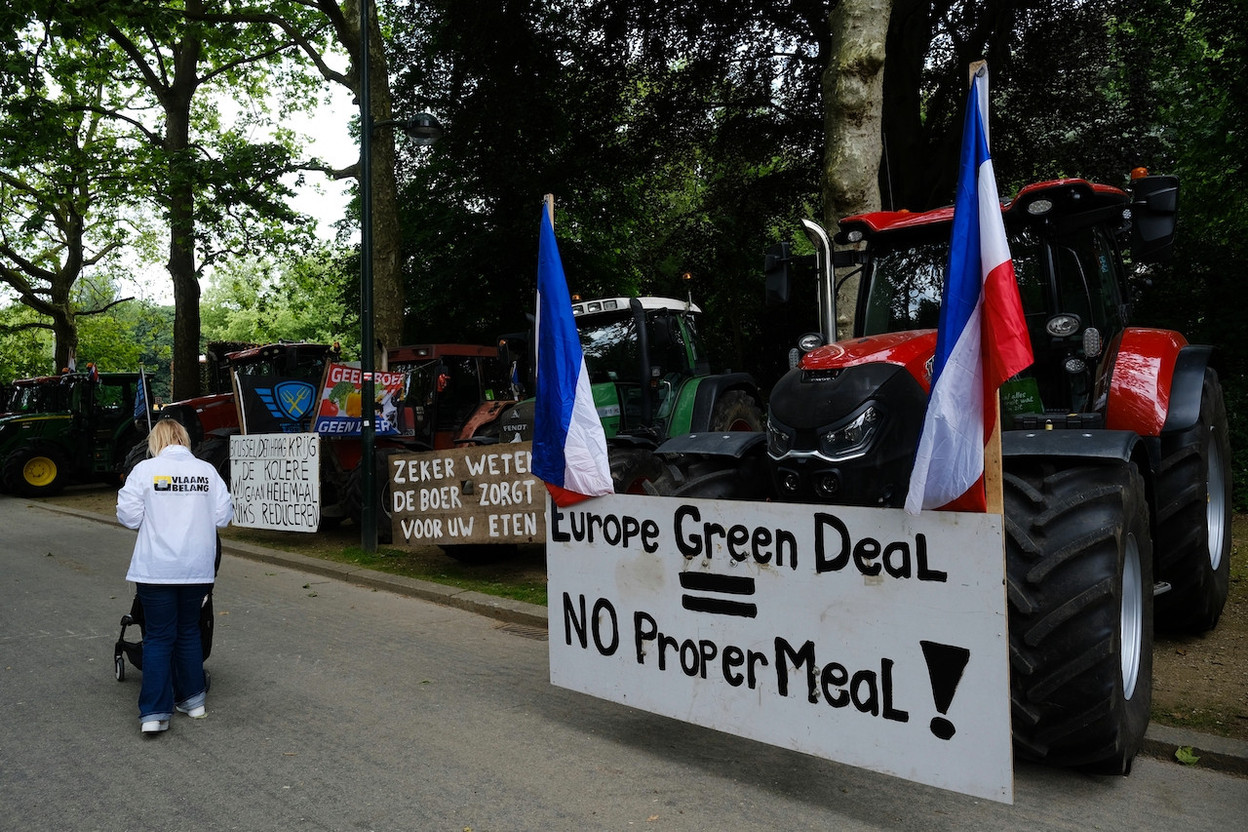
As a reminder, the strategic dialogue on the future of agriculture was the commission’s response to the agricultural crisis at the beginning of the year. The commission invited around thirty organisations, supposedly representing all the players in the agri-food value chain, to sit down around the table. The major consequence so far has been the disappearance from the commission’s agenda of the framework law for sustainable food systems, in other words the ‘farm-to-table’ strategy, the agricultural version of the EU’s Green Deal.
Three hours of hearings
MEPs will want to know how Hansen plans to guarantee a fair income for farmers, improve their position in the food supply chain, increase transparency in price formation and attract young people to the sector. The impact of future enlargements on the Common Agricultural Policy (CAP) and the ongoing renegotiation of the free trade agreement with Ukraine will also be discussed. Questions of resilience and sustainability, and the role of farmers and livestock breeders in achieving the EU’s climate, biodiversity and environmental objectives are also on the agenda.
An extensive programme, considering that the hearing is scheduled to last three hours according to the European Parliament’s timetable.
Once all the confirmation hearings have been completed, the Conference of Committee Chairs will assess their results and forward its conclusions to the Conference of Presidents. The Conference of Presidents will make the final assessment and decide whether to close the hearings. Once the official hearings have been concluded, von der Leyen will present the entire College of Commissioners and its programme to the plenary session. The entire European Commission needs the approval of the European Parliament by a majority of the votes cast in order to be elected. Once elected by the parliament, the European Commission will be officially appointed by the European Council by a qualified majority.
This article was originally published in French.