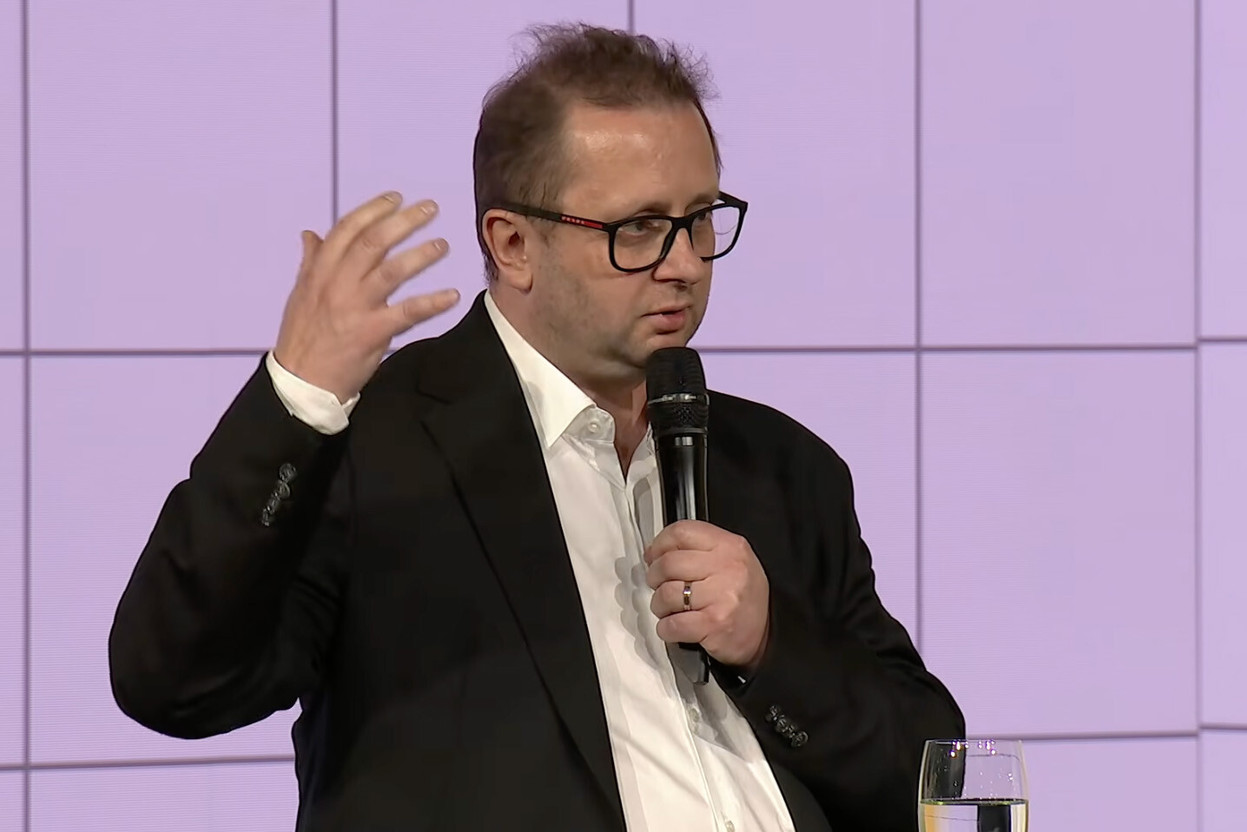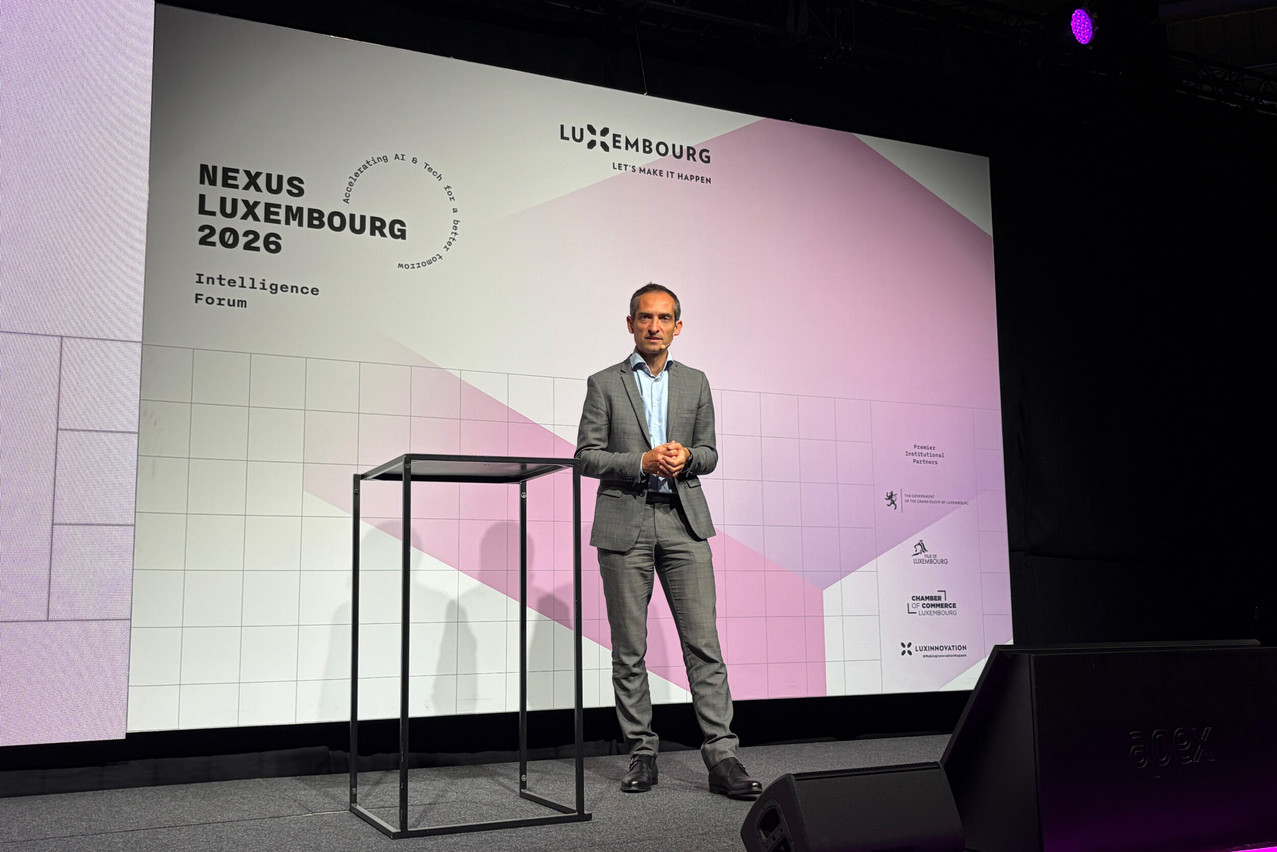
Taking to the stage for a strict fifteen minutes – as dictated by the Nexus format – Guillaume de la Brosse, head of the defence policy and innovation Unit at the EU’s Directorate-General for Defence Industry and Space, did not mince his words. No sooner had he stepped onto the stage than he launched into his speech: “The war in Ukraine demonstrates just how much disruptive technologies have become a major strategic lever. Artificial intelligence, autonomous drones, data analytics and space technologies are now at the heart of military capabilities. What we are seeing every day is the power of deep tech in the defence sector,” he emphasises.
Every year, more than a million graduates complete science and technology courses in Europe…

Ukraine has also radically transformed its procurement methods, notably through digital platforms that enable the armed forces to access market innovations quickly.
“It is a well-established fact: Ukraine has completely changed its approach to public procurement,” notes Guillaume de la Brosse. According to him, the country has simultaneously managed to significantly increase its industrial capacity whilst reducing certain strategic dependencies, particularly in technology supply chains.
Europe has what it takes
In light of these developments, the current speaker emphasises that Europe has no intention of being left behind, arguing that it has strong grounds for this, since ‘every year, more than a million graduates leave European science and technology courses, whilst the continent remains at the forefront in several fields of innovation’.
The main challenge remains to turn these skills into industrial leaders capable of competing on a global scale.

“We have the talent, we have the investment and we have the industrial capacity,” says the European official. The main challenge, however, remains turning these capabilities into industrial champions capable of competing on a global scale. “What we’re lacking is the ability to scale up,” he concludes.
Making defence a driver of innovation
To achieve this, the European Commission intends to foster links between start-ups, investors and defence industry players, whilst simplifying market access and increasing the predictability of orders.
“We need to create opportunities for deep tech and the defence sector to come together,” adds Guillaume de la Brosse.
In his view, investment in defence can now act as a driving force for the entire European technology ecosystem, extending far beyond the military sector alone. “Investment in defence can become a catalyst for the entire European technology ecosystem,” he summarised to the audience present.