Luxembourg’s overhaul of non-profit law is drawing sharper political attention, with the government choosing to engage publicly with concerns about its impact on small associations.
The issue has been building for several months through written parliamentary exchanges and follow-up questions before reaching the chamber floor in late January.
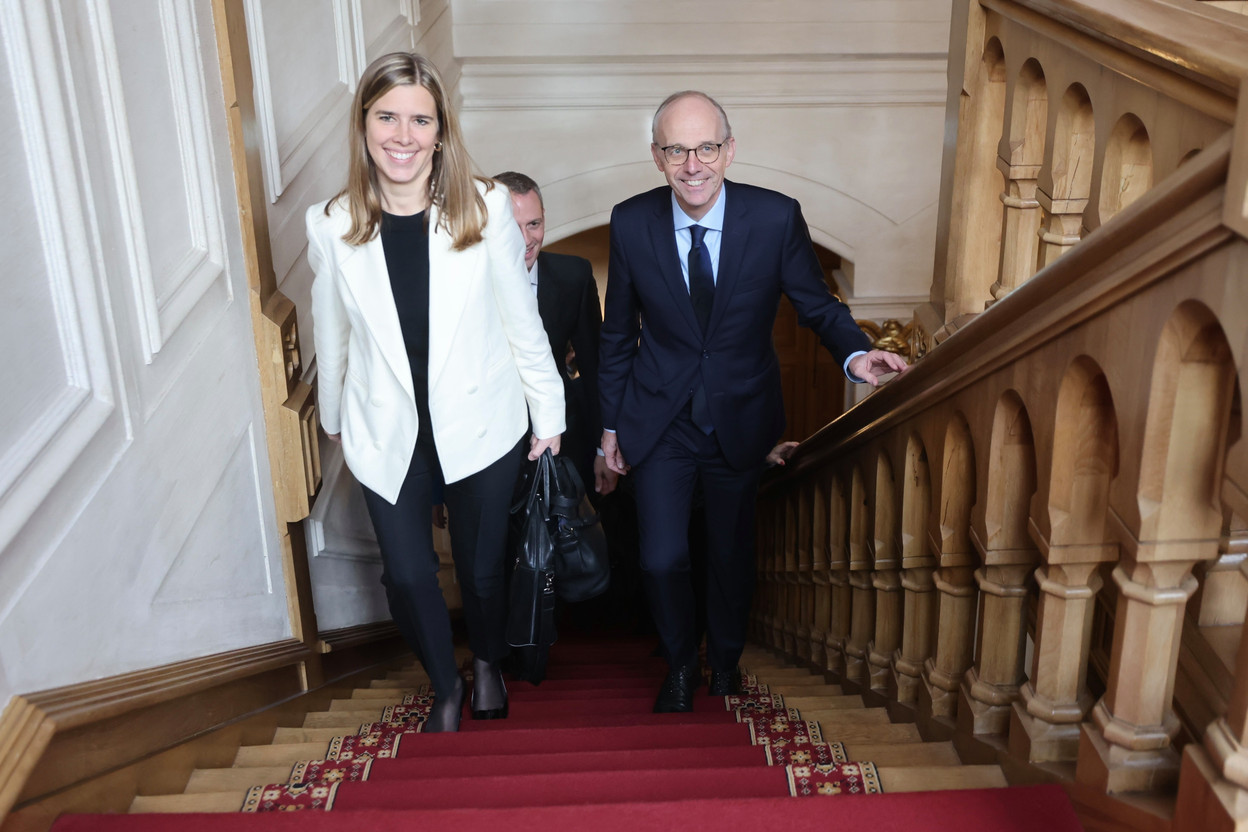
During the session, Laurent Mosar, a deputy for the CSV, argued that administrative complexity is wearing down volunteers who already give significant time to local clubs. “Bureaucracy and overregulation have also reached non-profit organisations in Luxembourg,” he said, warning that volunteers are “getting tired”, to the detriment of social and club life.
Proportionality test
“These are exercises that require a lot of patience and time,” he said, adding that volunteers are often left struggling to understand what is required of them. In some cases, he said, associations no longer know “how to open such a bank account in the first place”.
At stake, Mosar argued, is not resistance to transparency, but whether obligations designed for larger, professionally run bodies are being applied without sufficient regard for scale. He asked whether very small associations with limited activity could be relieved of certain requirements and whether the law itself should be revisited.
Government defence
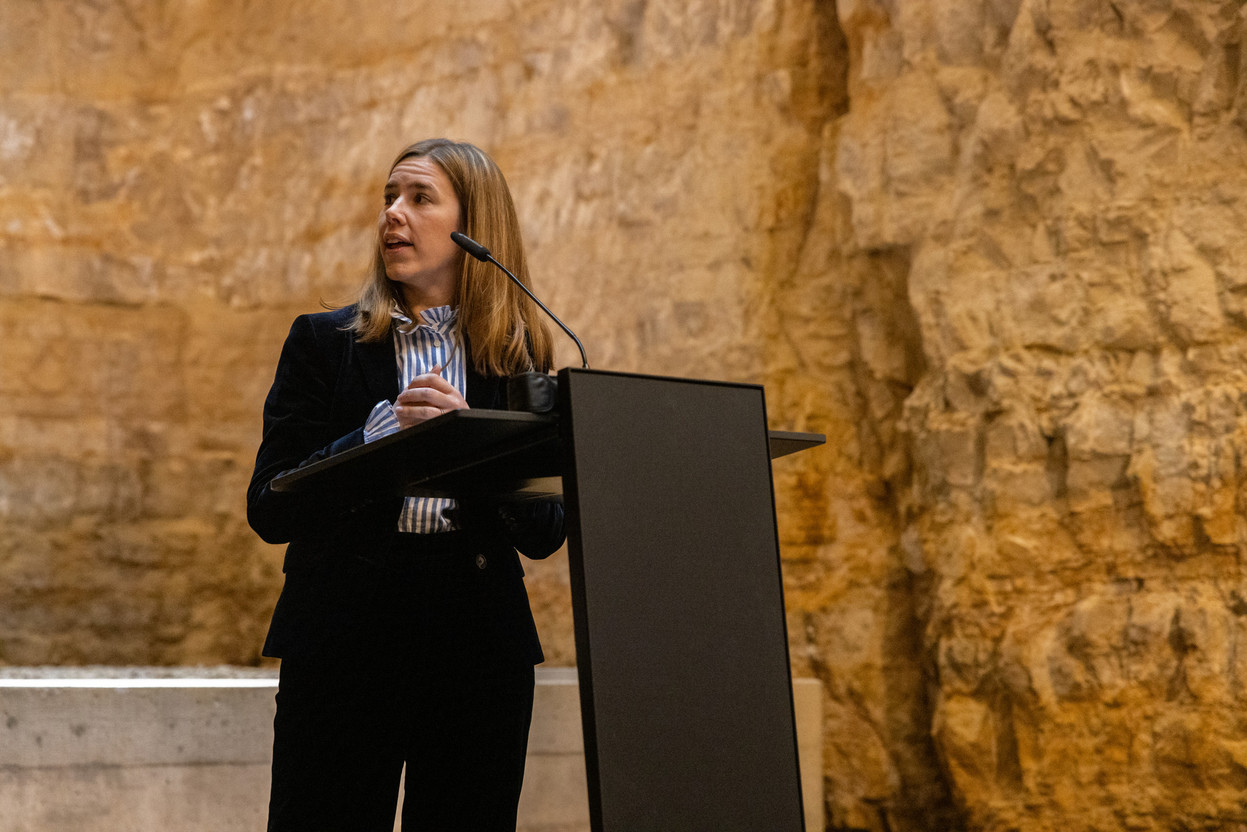
Elisabeth Margue, minister of justice for the CSV-led government, responded in open session, acknowledging the strain on volunteer-run organisations while defending the direction of the 2023 reform.
“It is important that volunteers are not demotivated by the many administrative hurdles,” she said, while adding that “it is of course also important that there are rules” governing how non-profit organisations function and where responsibilities lie.
Margue said the law of 7 August 2023 was a necessary modernisation of a framework dating back to 1928, bringing non-profit governance into line with contemporary standards and international transparency requirements. She acknowledged, however, that the transition year had been demanding, with multiple reforms landing at once.
By early December, she said, around 60% of associations had not yet adapted their statutes to the new law, despite a formal deadline in September. She stressed that non-compliant provisions are treated as legally “unwritten”, adding that this was “not a disaster”, even if it complicates day-to-day functioning.
Adjustment, not retreat
Margue also stressed the need to distinguish between different types of non-profit organisations. “I think it’s very important that we don’t lump all non-profit organisations in one pot,” she said.
She linked that position to the fallout from the Caritas affair, arguing that calls for stricter governance following the scandal should not result in the same obligations being imposed on small local clubs. Large organisations receiving public funding or operating under agreements with the state, she said, face different responsibilities from volunteer-run associations with limited activity.
The minister pointed to support measures put in place by Luxembourg Business Registers, including a redesigned online portal, guidance material and a dedicated helpdesk for associations. She also outlined work on technical solutions intended to reduce repetitive reporting, including closer links between corporate and beneficial ownership registers.
Margue ruled out exempting associations entirely from anti-money laundering rules, but said simplification was possible. If feedback from the sector supports it, she said, targeted amendments to the non-profit law could be considered to provide “more flexibility and also simplification, especially for the small” organisations.
The exchange underlined a broader fault line in the reform’s application. The debate is no longer about whether non-profit organisations should be regulated, but about how far a single legal architecture can stretch without eroding the volunteer base on which much of the sector depends.