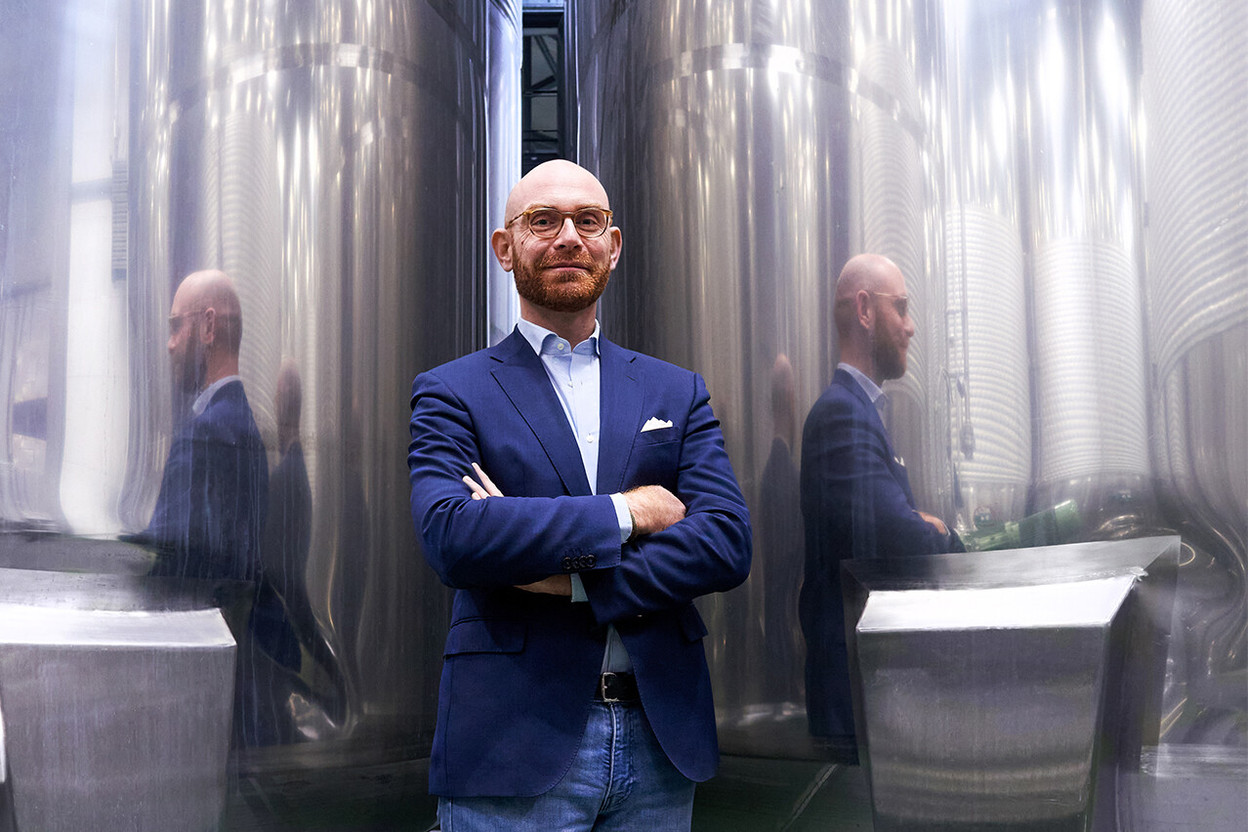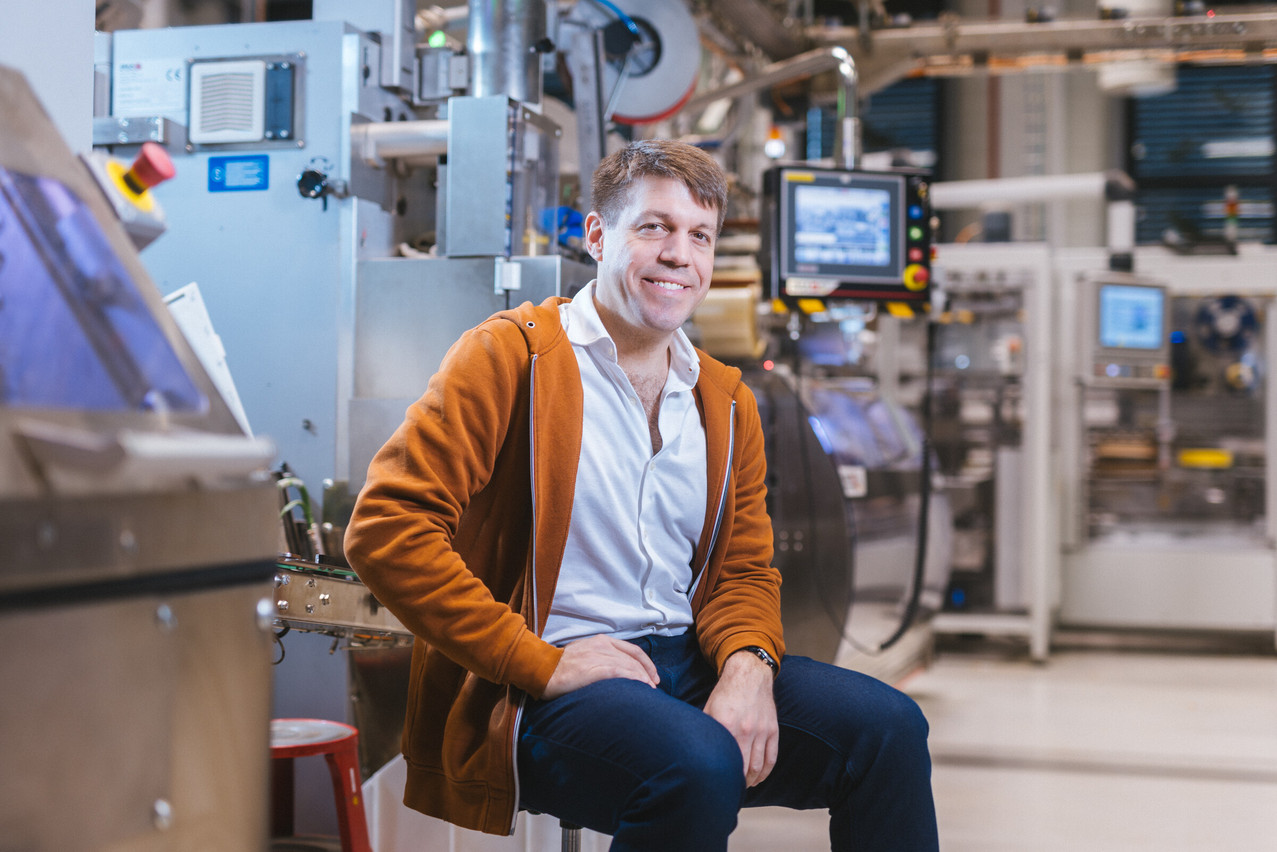
The story began in 1947, when Jean-Pierre Heintz opened a tobacco factory and a shop in Luxembourg; from the outset, the company took the name Heintz van Landewyck, combining it with that of his wife, Josephine Van Landewyck. Under the leadership of his son Joseph, who took over the business at the age of 22, the company grew rapidly and became one of the country’s leading tobacco manufacturers.
The opening of a new factory in Hollerich in 1897 marked a key milestone, followed by the takeover of the company in 1912 by Victor Heintz, who continued to modernise it whilst maintaining its family roots. Expansion continued with the establishment of a presence in Germany from 1925, then in Belgium in 1951, despite the disruptions caused by the war.
Over the decades, the company has expanded its production and launched new brands, including Ducal in 1967. Since the 2000s, it has continued to grow with new product ranges and an increased presence in France and Belgium. Today, Heintz van Landewyck maintains a governance structure combining family members and an extended management team.
In your view, what is the main lesson you have learnt from your experience with succession planning and engaging the next generation within your company?

How do you manage to balance the family’s expectations with the company’s economic and strategic imperatives?
“We have always taken a very respectful approach to the company’s long-term legacy: the future of the family-owned group in Luxembourg has always been the priority, not the distribution of short-term dividends. The family is there to serve the business, not the other way round. Often, no dividends were paid out for many years in order to repay loans or finance major investments.
Which decisions or developments in governance or the professionalisation of management have had the most significant impact on your company?
“Our group has always ensured it has a professional management team, bringing in external CEOs where necessary. Our supervisory board is also predominantly made up of external members – not just ‘old school friends’, but professionals who ask the tough questions whilst respecting our family values and our industrial vision for Luxembourg.
How does your company balance the need to honour its heritage with the need to innovate or transform itself in order to remain competitive?
“We’re competing in a global league against unscrupulous international players. For 180 years, we’ve been battling with our limited resources against publicly listed groups with virtually unlimited budgets. It is a sensible and pragmatic blend of creativity, street smarts, speed of execution and the stability of our partners that enables us to survive and often outperform the big players. And we are very proud of that.
What were the most decisive choices made regarding the financing of growth?
“Banks based solely in Luxembourg or Germany have always supported us, whereas the major French and Dutch banking groups have turned their backs on the tobacco industry and closed our accounts, as this industry no longer operates in France or the Netherlands and is therefore of no strategic interest to them. A solid cash flow combined with long-term financial support from banks forms the backbone of our economy, driving our growth. But this is becoming increasingly difficult, as bankers with the authority to make decisions are becoming scarce.
What tax or legal issues have proved to be the most critical for your family business?
“The tobacco industry is caught between the hammer of prohibitive regulation and the anvil of the excise duty that governments rely on. It is this Kafkaesque paradox that defines our existence and our raison d’être. This acute fiscal and legal schizophrenia is a play in which we are sometimes actors, fortunately, and sometimes spectators, unfortunately. We are therefore well accustomed to this utterly subversive environment. It is, in a way, our lifeblood. At the same time, it protects us from potential new entrants.
What strategies have been most effective in developing your product or service offering whilst remaining true to the company’s core values?
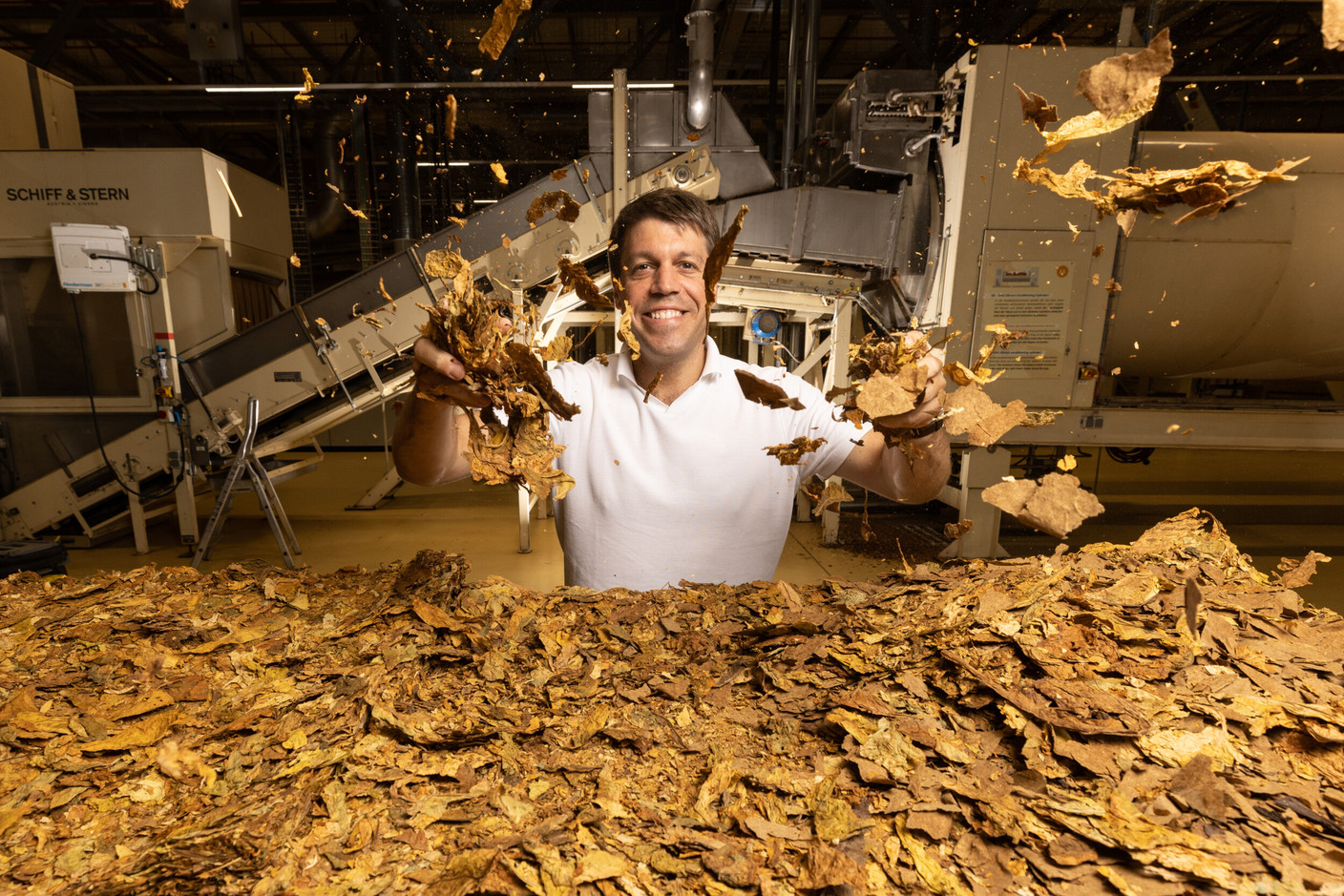
“We challenge ourselves every day across all our markets. Each of our 600 products across our 50 markets is analysed for performance and replaced or discontinued if necessary. It is this rigorous approach, combined with the constant renewal of our product portfolio, that enables us to survive. At the same time, we are investing in new segments and markets, knowing that we will probably only become profitable after ten years of financial ‘death valley’. This long-term vision is our strength.
The survivorship bias perpetuated by LinkedIn leads us to believe that everyone else is constantly progressing or succeeding. It is always when we try to copy or imitate a competitor that we end up falling flat on our faces.
At what point did you feel it was necessary to accelerate the company’s growth?
“Above all, you mustn’t rush things just for the sake of it. The survivorship bias perpetuated by LinkedIn leads us to believe that everyone else is constantly progressing or succeeding. Few people boast about their failures or bankruptcies. It is always when we try to copy or imitate a competitor that we end up falling flat on our faces. It is human nature to look at the neighbour and want to do the same. However, it is when growth stems from internal ideas or market opportunities – acquisitions, etc. – that sustainable value is created. The real challenge then lies in getting these projects off the ground with the teams, who are often already stretched to the limit. The real risk – or rather, potential – lies in execution.
What were the main drivers – and the main challenges – of your internationalisation strategy?
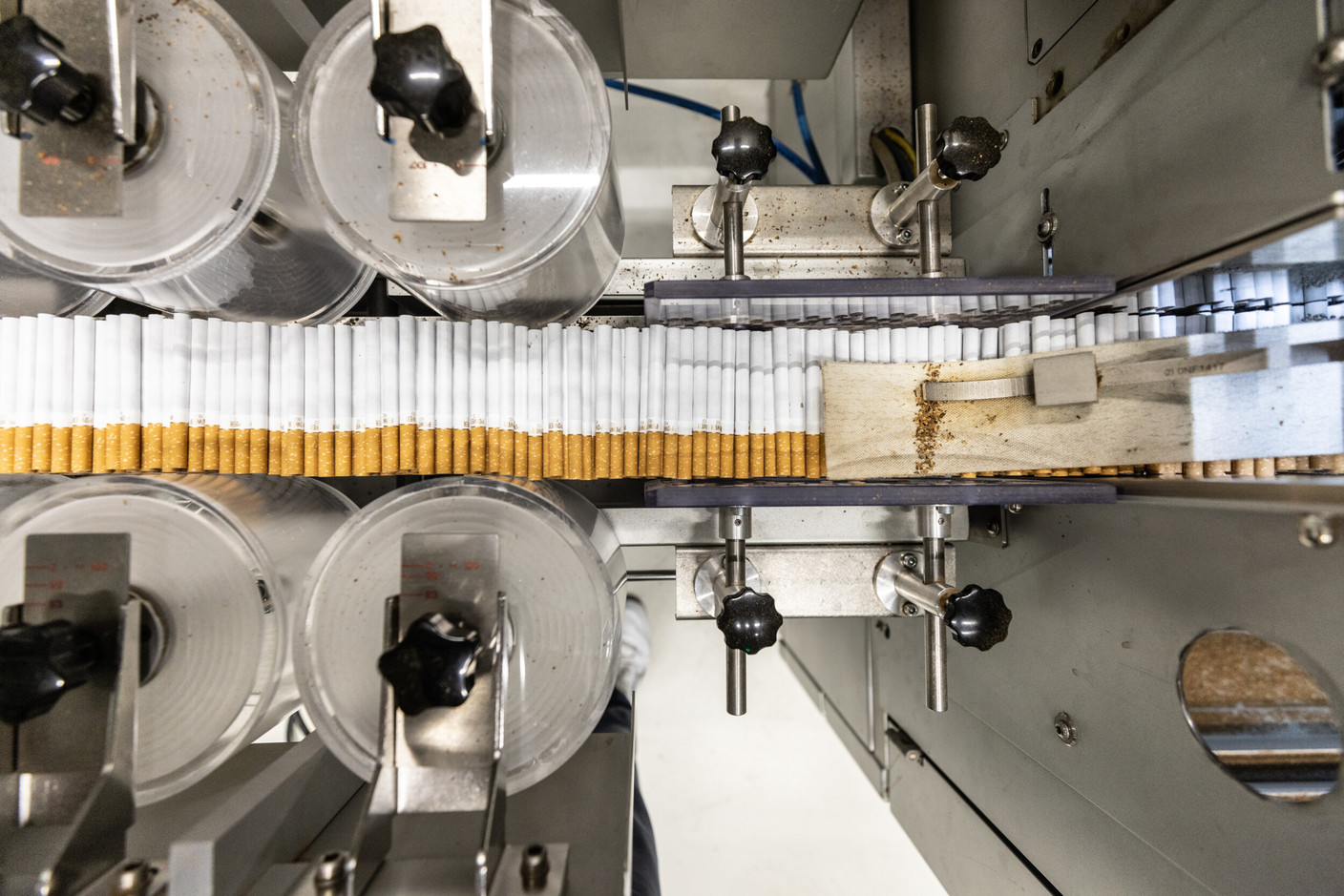
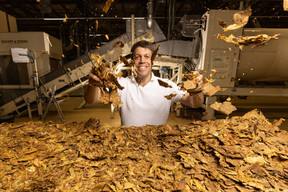
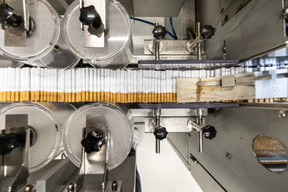
“The production machinery in our industry is too large for the size of the Luxembourg market. In 30 minutes, we have manufactured enough products to supply the entire Grand Duchy. A Luxembourg manufacturer can only survive by exporting; otherwise, fixed costs will put them out of business. We have therefore been exporting for over 100 years. Cigarettes are a perfect product for export: light, small, with no limited shelf life and high added value. It is, of course, less glamorous than AI or investment funds, but more sustainable in our humble opinion.
The DNA of family-run businesses is the polar opposite of listed companies, where 200 committees grind every idea down and kill it off, and where product launches often respond to a shareholder narrative rife with potential nonsense rather than genuine consumer demand.
How can a family business attract and retain key talent in an increasingly competitive environment?
“Every person we recruit dreams of making a difference, of doing something meaningful and of feeling ‘like part of a family’. This is indeed the DNA of family businesses, in stark contrast to listed groups where 200 committees grind down and kill every idea, where product launches often respond to a shareholder narrative with a high potential for bullshit rather than to genuine consumer demand, and where employees are mere variables to be adjusted, like disposable assets, rather than the cornerstones of a genuine business venture.
How has increased international competition in your domestic market changed your positioning, organisation or strategy?
“In the 1950s and 1960s, Landewyck had a 75% market share in Luxembourg, then Marlboro arrived. Today, we have a steady 10% market share, which is growing slightly, and we’re doing better than before because we’ve woken up. We’ve reviewed our portfolio and our structures, and we’ve taken on Marlboro in many other countries. Today, we are a respected player in around ten European countries. If your product is unknown or little known in Trier, Arlon or Metz, you need to wake up asap, because the enemy is at the gates.”
This article was written for the June 2026 issue of Paperjam magazine, published on 20 May. The content is produced exclusively for the magazine. It is published on the website to contribute to Paperjam’s comprehensive archive. Click on this link to subscribe to the magazine.
Is your company a member of the Paperjam Club? You can request a subscription in your name. Please let us know via club@paperjam.lu