The rule is now clear. The revised European directive requires energy consumption in the residential building stock to be reduced by 16% by 2030, and then by 20 to 22% by 2035, with efforts focused on the least energy-efficient buildings. However, many homes in Luxembourg date from the 1950s to the 1980s, when insulation was not a priority. The gap between the target and the reality on the ground is considerable.
The Klimabonus provides direct subsidies for insulation work, VAT on renovation is reduced to 3%, and subsidised loans round off the scheme. Rarely has a homeowner received such support for renovation, so the bottleneck lies elsewhere.
The real bottleneck is delivery capacity. The rate of energy-efficiency refurbishment is plateauing at around 1% per year across Europe, and Luxembourg faces an additional challenge of its own: a labour market that is among the tightest and most expensive on the continent. Simply declaring a wave of refurbishment is not enough if the skills to carry it out are lacking, and specialist trades – particularly those involving work at height and rope access – rely on qualifications and training that cannot be improvised.
It all comes down to the building envelope. Insulating façades and roofs accounts for the lion’s share of the savings, but also presents the greatest challenges in terms of implementation: work must be carried out on occupied buildings in dense urban areas without disrupting residents’ daily lives. And the order of operations matters: insulation must be fitted before the heating system is replaced, otherwise the system risks being oversized, negating the savings. A poorly sequenced renovation costs more and delivers poorer results.
Waterproofing is the other prerequisite, one that is all too often overlooked. In Luxembourg, this is a particularly pressing issue: in a damp climate where it rains for much of the year, even the slightest flaw is put to the test. A façade or roof that lets water in ruins the newly installed insulation, as damp degrades the materials, encourages mould and negates the energy-saving benefits. Dealing with water ingress and leaks before insulating is essential for a renovation that will stand the test of time.
In block-of-flats, there is an additional governance constraint. Work on the building envelope requires a decision by the general meeting: at a time when the requirements are becoming stricter, the most vulnerable buildings are subject to the slowest decision-making process. Anticipating needs, planning in stages and voting early are becoming strategic advantages.
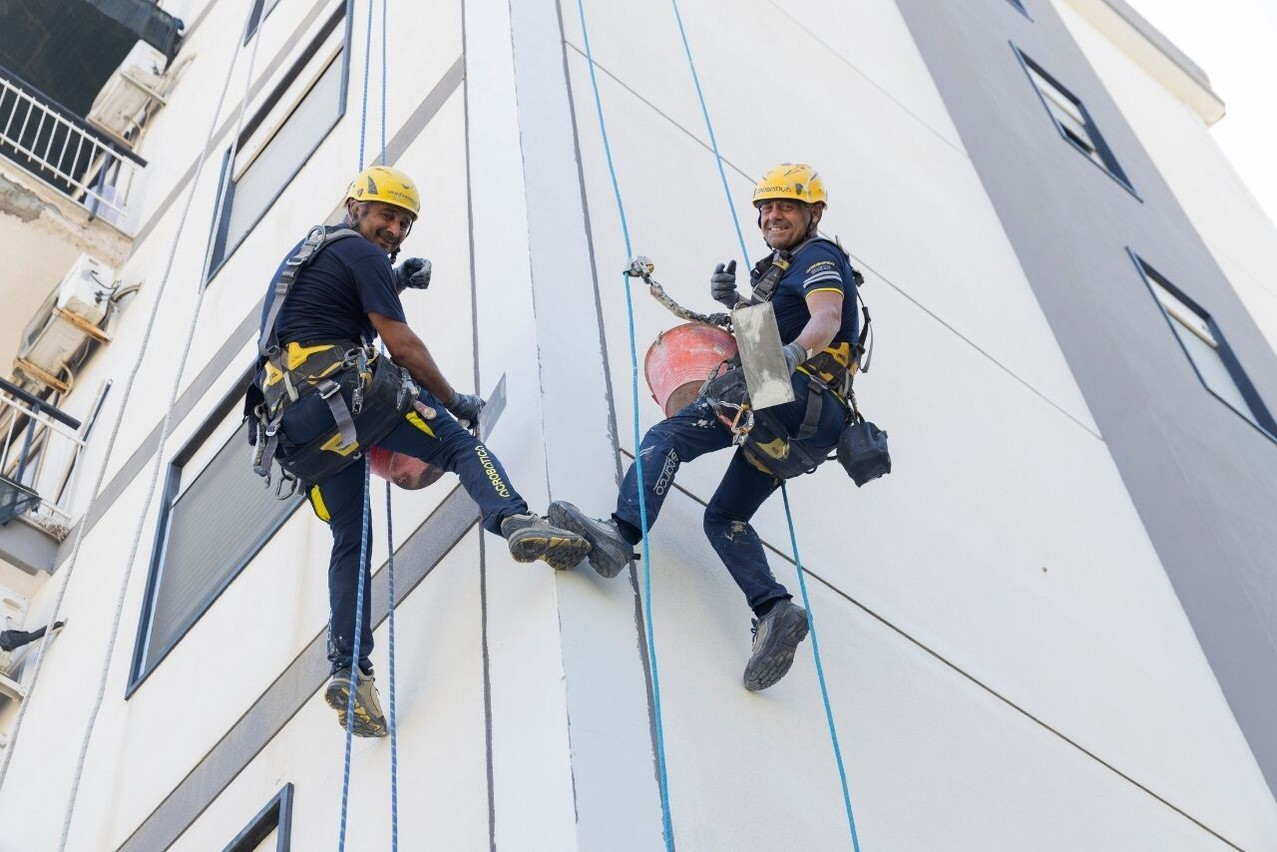
Luxembourg will lack neither the legal framework nor the financial resources to carry out renovation work. In the coming years, everything will hinge on its ability to turn a regulatory obligation into actual building projects. And it is companies such as Acrobatica, which specialise in building envelope work using rope access techniques, that will make the difference on the ground. Renovation is no longer a matter of intention, but of execution.
This promotional article was written by Arim Holdings as part of the company's membership with the Paperjam Club. If you would like to become a member of the Club, please contact us at club@paperjam.lu.