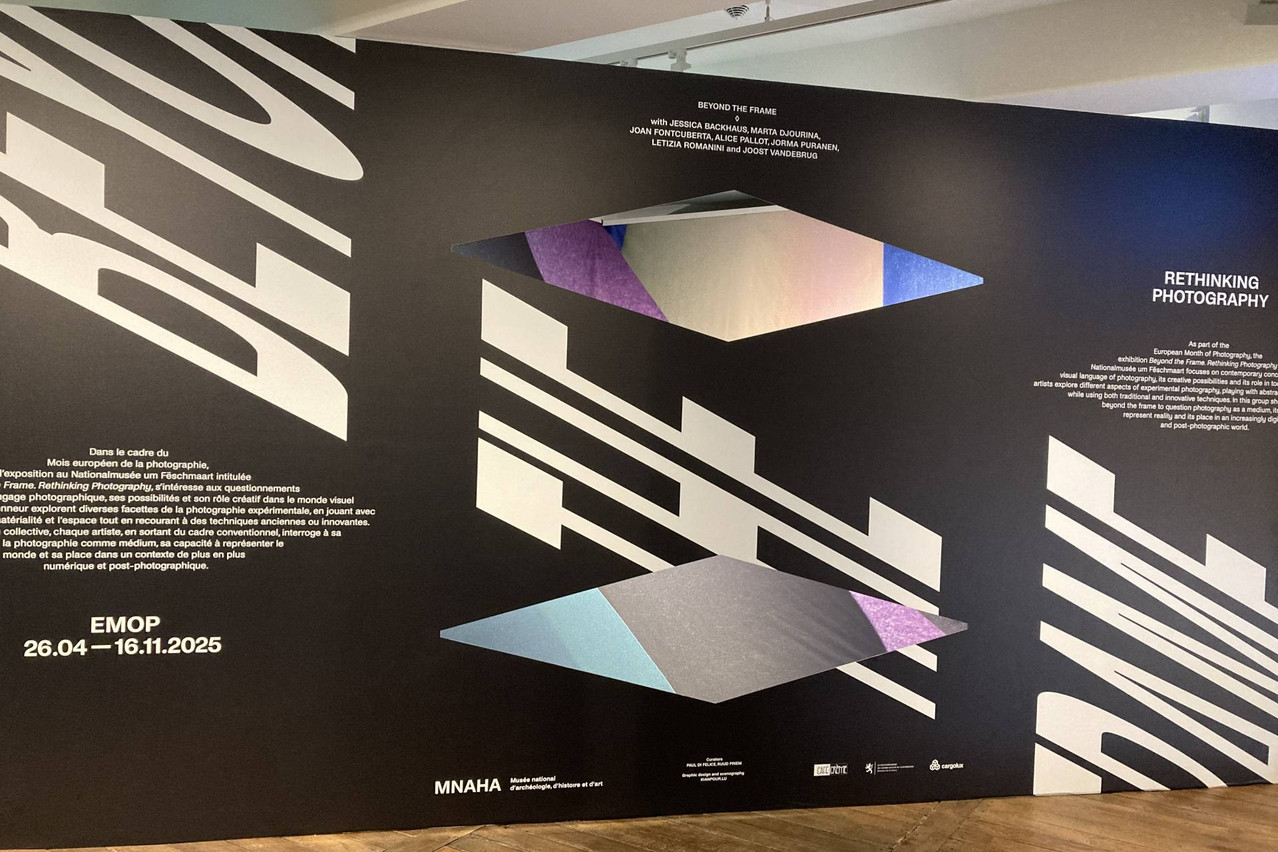
No fewer than 28 exhibitions are being organised as part of the European Month of Photography in Luxembourg (EMOP), an event that has been run for 20 years by the Café-Crème association, initiated by Pierre Stiwer and Paul di Felice. The theme chosen to link the exhibitions in this 2025 edition is “Rethinking Photography.” It follows on from “Rethinking Nature” and “Rethinking Identity,” which were featured in previous editions. To mark the 10th edition of EMOP, the Nationalmusée is hosting “Beyond the Frame,” an exhibition that looks at contemporary questions about photographic language, its possibilities and its creative role in today;s visual world.
Between abstraction and three-dimensionality
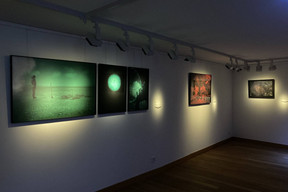
“Two themes are mainly developed in this exhibition: abstraction and the three-dimensionality of photography,” explains Paul di Felice, curator of the exhibition with Ruud Priem, curator at the Nationalmusée. “We have chosen to devote one room per artist and to move from colour and light towards darker works.”
Many of the works presented here question the photographic medium itself. Visitors are encouraged to ask questions about the images they are shown. Is it really photography, or is it painting or watercolour? “There are also questions about photographic techniques,” says di Felice. “Some artists have chosen to return to traditional, artisanal methods, whilst others are fully embracing the new opportunities offered by artificial intelligence. Still others are mixing the two approaches.”
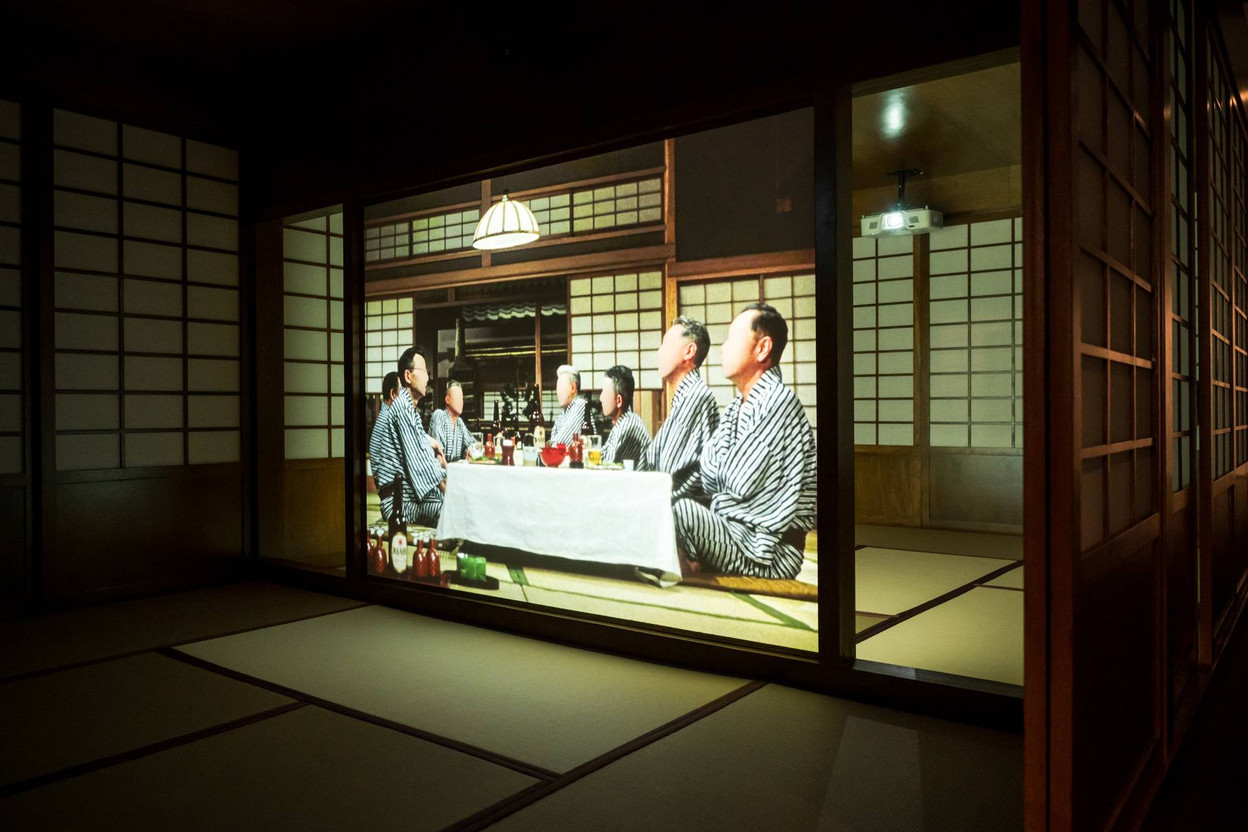
The exhibition opens with works by Marta Djourina, who creates impressive photograms. We are familiar with Man Ray’s work using this technique, but it was in small format. Djourina, on the other hand, deploys her luminous gestures in a completely different dimension--much larger, sometimes even going beyond the surface of the wall to the floor.
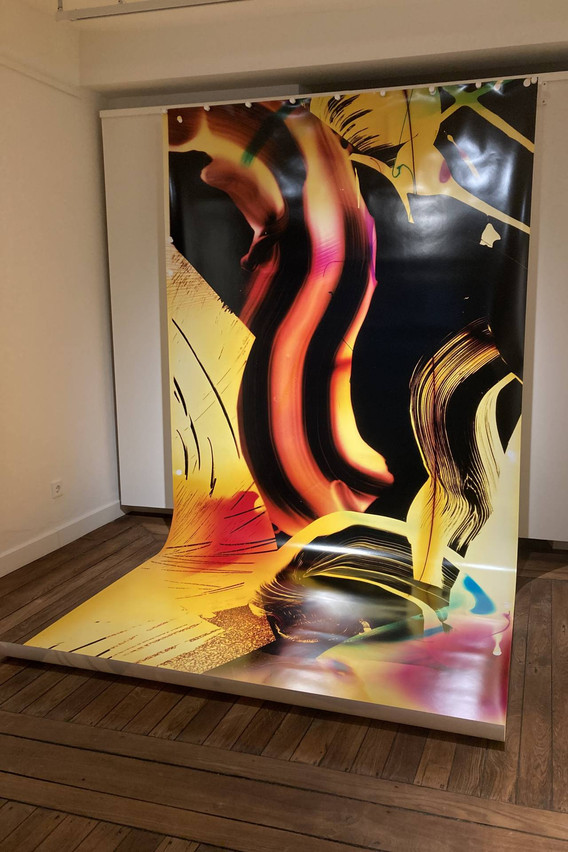
A view of one of Marta Djourina’s works Photo: Céline Coubray/Maison Moderne
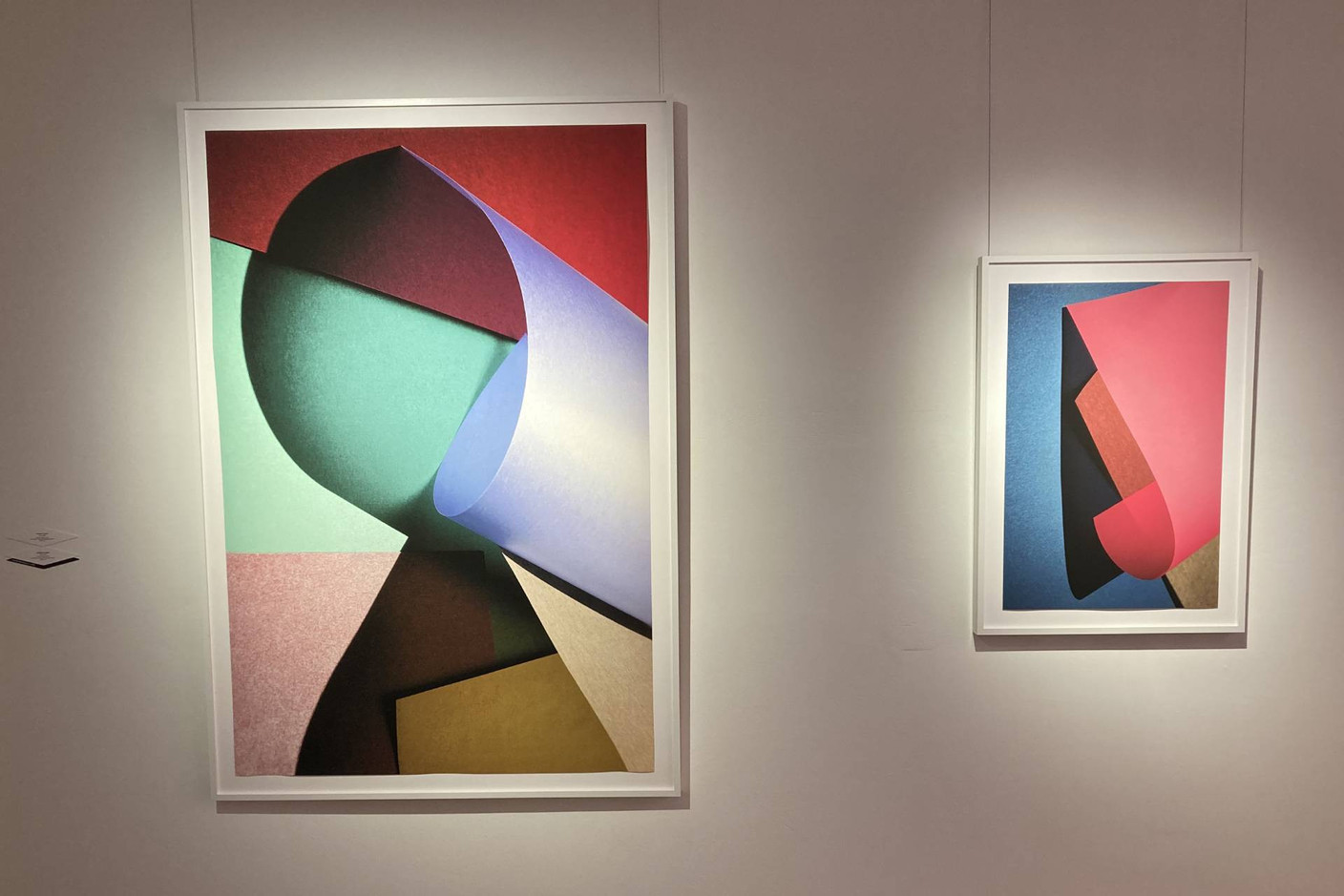
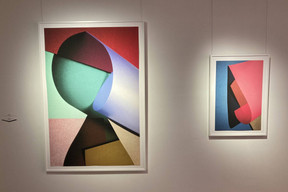
We are also delighted to see Jessica Backhaus’s colourful abstract “tableaux,” which we had the chance to see in a previous exhibition at Arendt House, where di Felice is also curator. Backhaus works with coloured paper that she arranges into minimalist assemblages, then subjects to intense heat, causing deformation. The resulting photographs produce a result that becomes painterly.
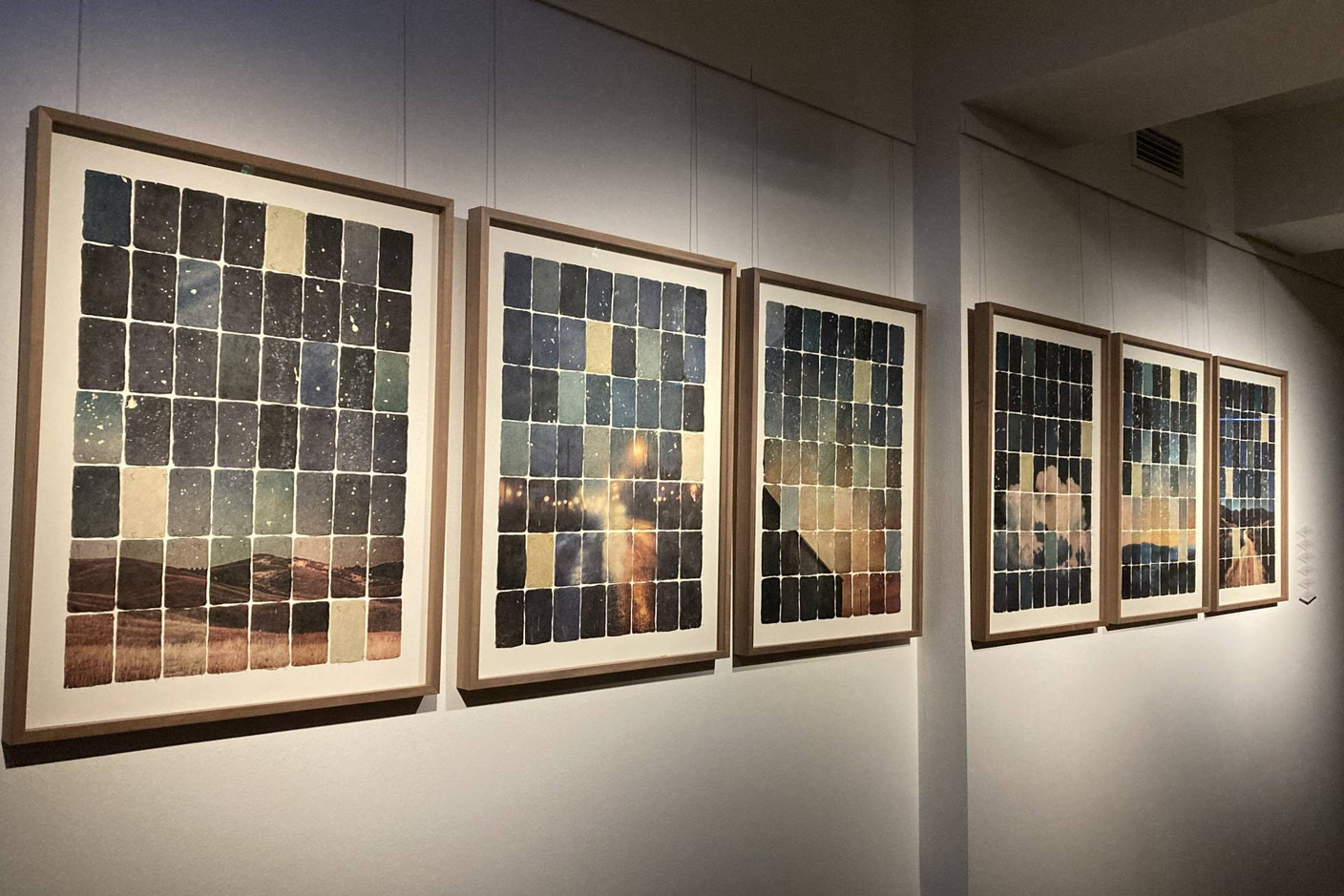
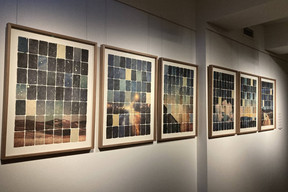
The exhibition continues with Joost Vanderburg, who presents fragmented images of landscapes. He uses various printing techniques such as pigment transfer or silver gelatin prints on Washi paper. The photographic images that serve as a starting point are fragmented and transposed onto these small pieces of paper to be recomposed, pinned together and, through the accumulation of fragments, reformed into a whole. The result is an image that navigates between photo and watercolour print, with great sensitivity and restrained poetry.
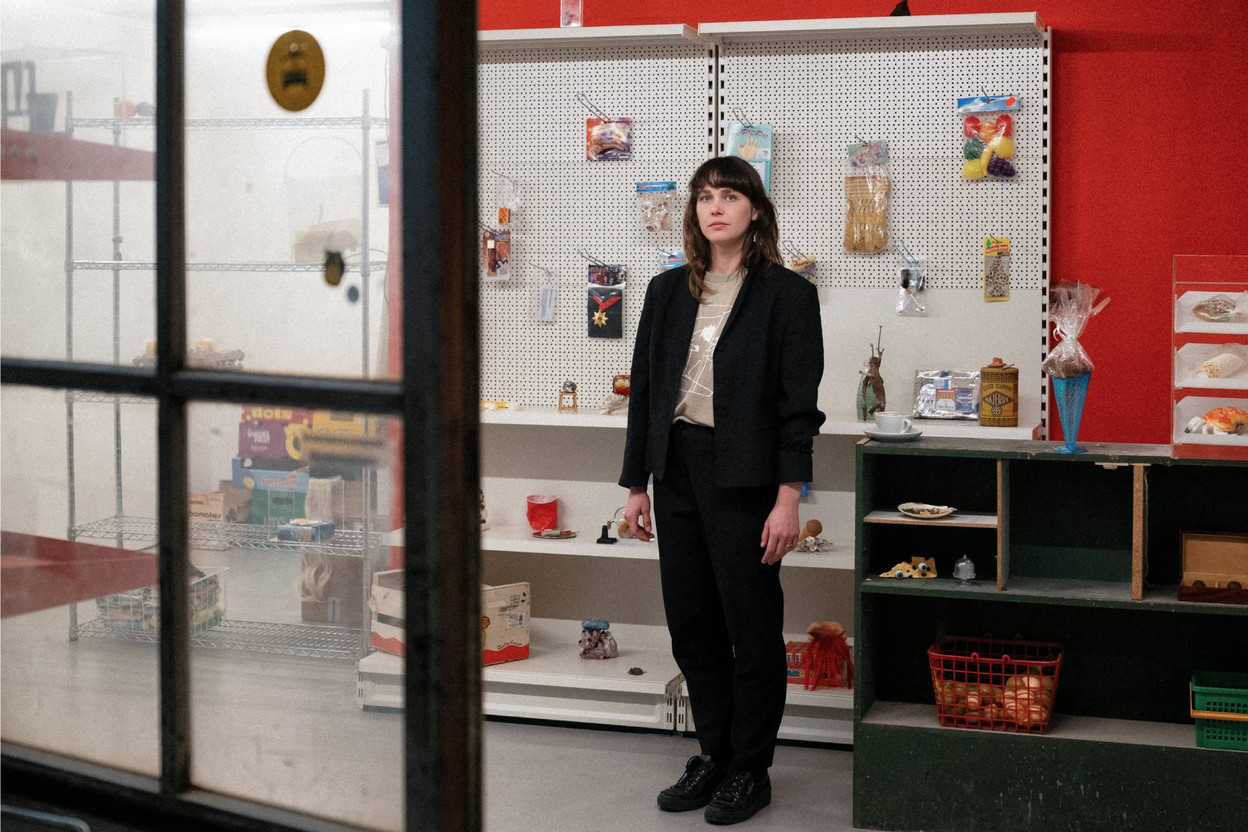
One of the most exciting discoveries in this exhibition is the work of Alice Pallot, who uses ecological subjects--such as the proliferation of green algae on the Breton coast--to address social issues linked to the Anthropocene and to rethink photographic methods. For example, she uses baths of polluted water to make her photographic prints and alters her silver prints with algae. In this way, Pallot’s work oscillates between a documentary approach accompanied by scientists and research of great strength and coherence.
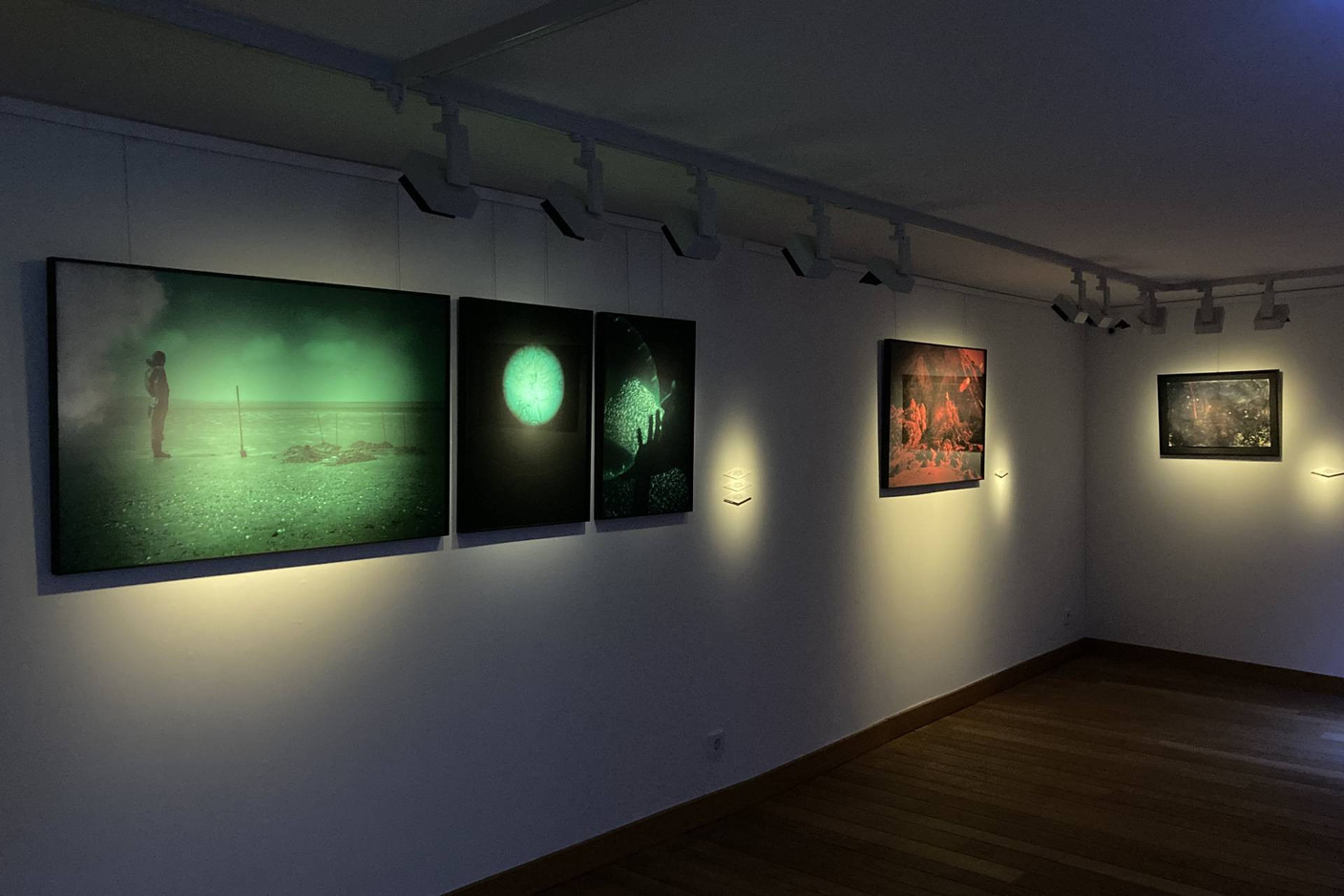
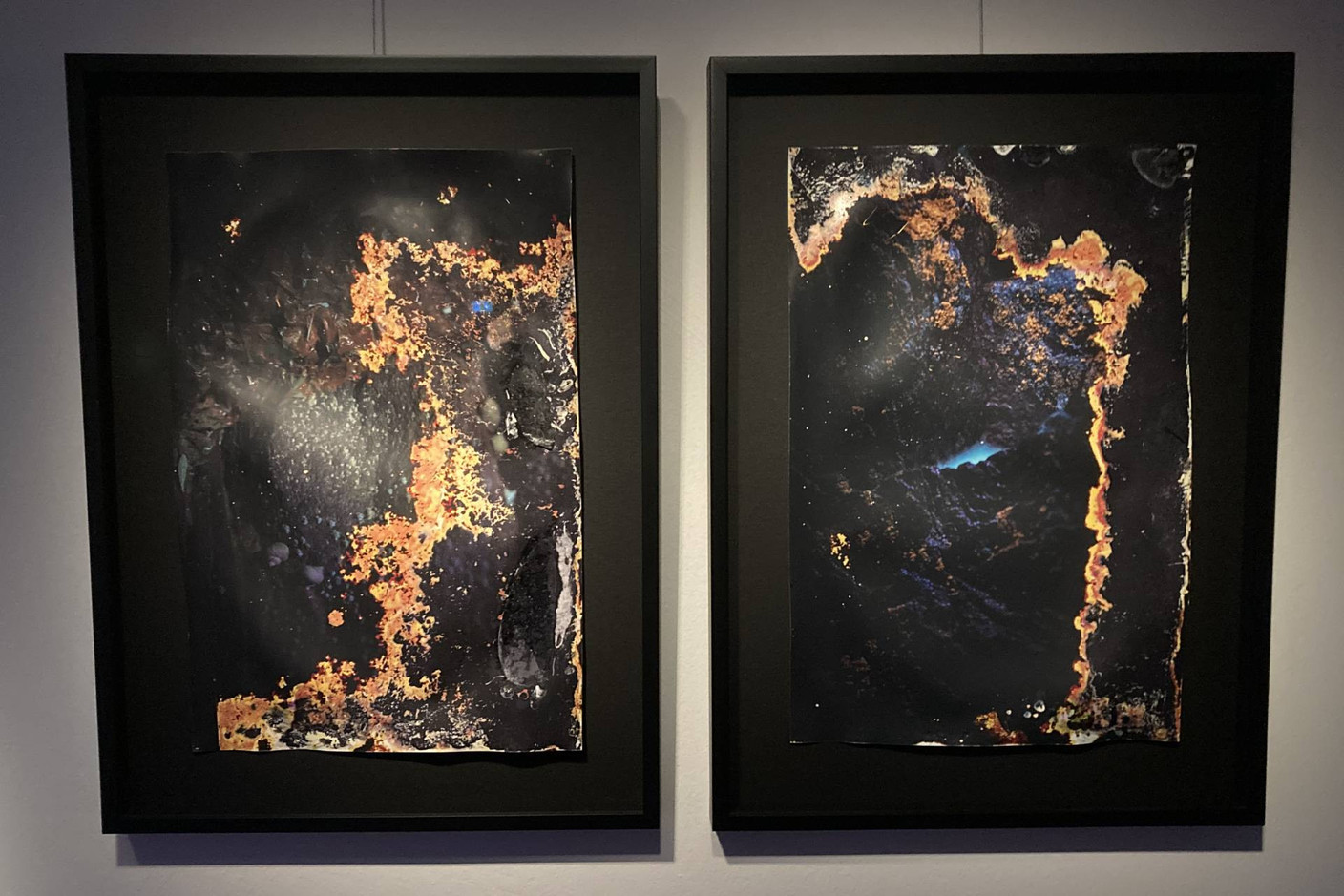
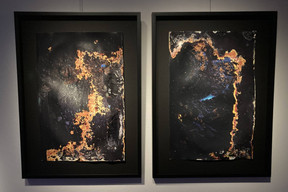
The next room presents three works by Jorma Puranen, father of the Helsinki School. In two of the works presented, sensory experience supplants representation: the Nordic landscapes he seeks to capture dissolve in the reflection of lacquered plates, sublimating reality and tipping it over into a powerful pictoriality. The third work questions more directly the question of the archive, a subject that has a strong resonance today in many artists’ work.
At the end of the tour, we discover silkscreens by Letizia Romanini that are representations of Italian caves referring to her family origins, or rock formations that she captured during her tour of Luxembourg in 2021. In this way, she addresses questions of identity, memory, but also mutation, temporality and spatiality.
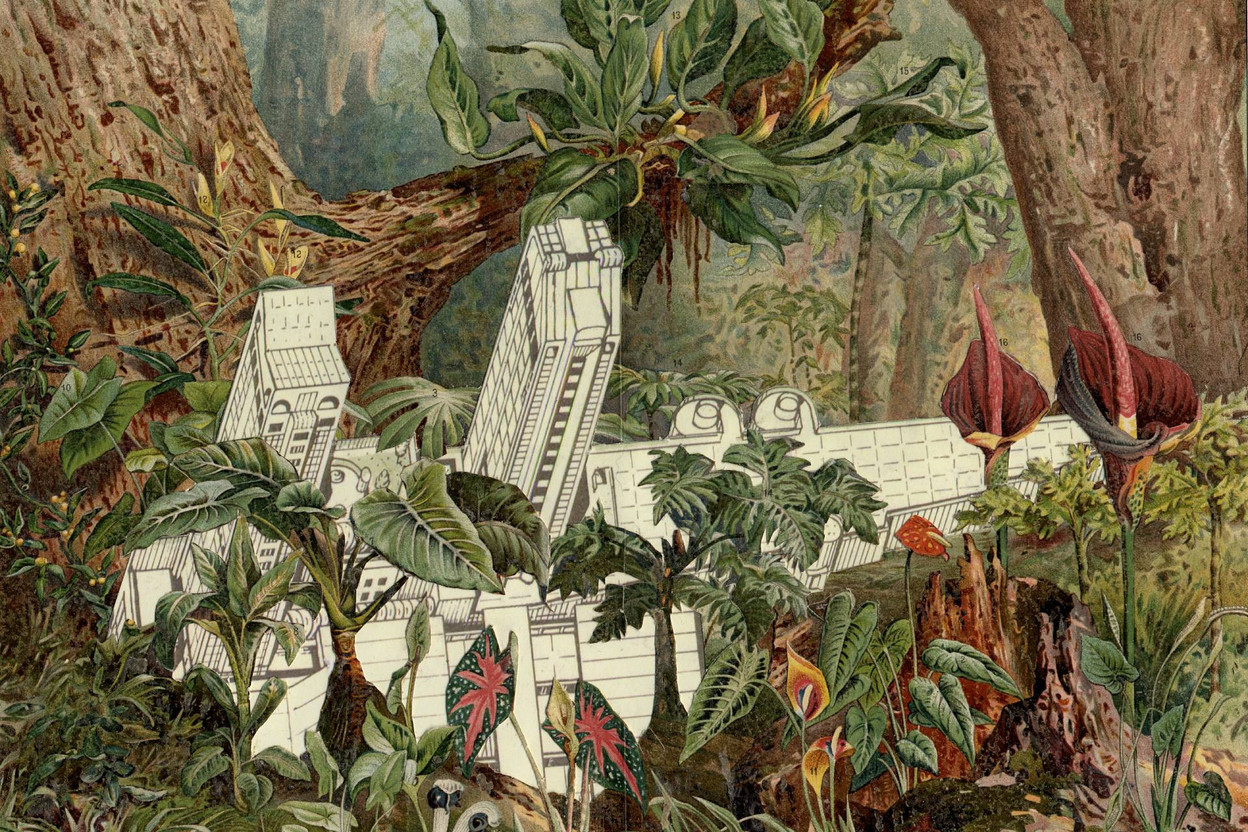
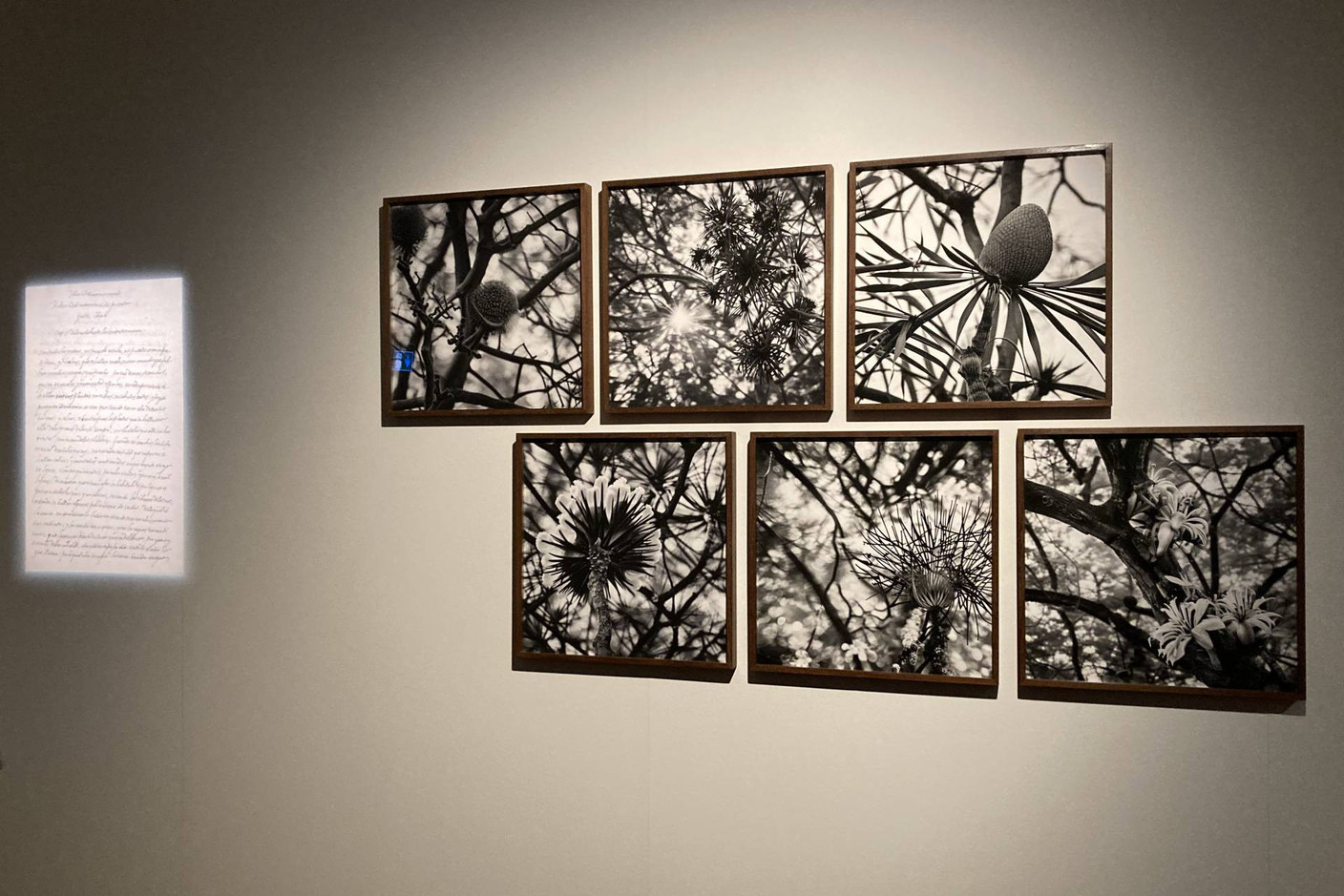
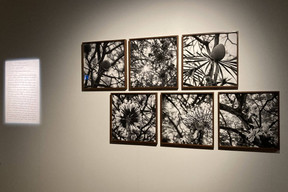
The final room is devoted to the work of Joan Fontcuberta. Continuing his research into what is true and what is false, he once again questions reality and fiction, taking as his starting point a letter from an evangelising father in the 16th century in which various exotic plants are described. The artist gave these descriptions to an AI system, which generated a series of images representing these plants. The result, materialised in photographic prints, is highly disturbing, completely realistic yet totally artificial. This final room definitively raises the question of the veracity of images and the vigilance to which we must devote ourselves more than ever, whilst continuing to develop our critical faculties.
The exhibition’s scenography and visual identity are by Reza Kiampour.
“Beyond the Frame: Rethinking Photography” opens Saturday 26 April at 11am and will be on display until 11 November.
This article was originally published in French.