One agreement, two interpretations. According to the Finance Minister, 
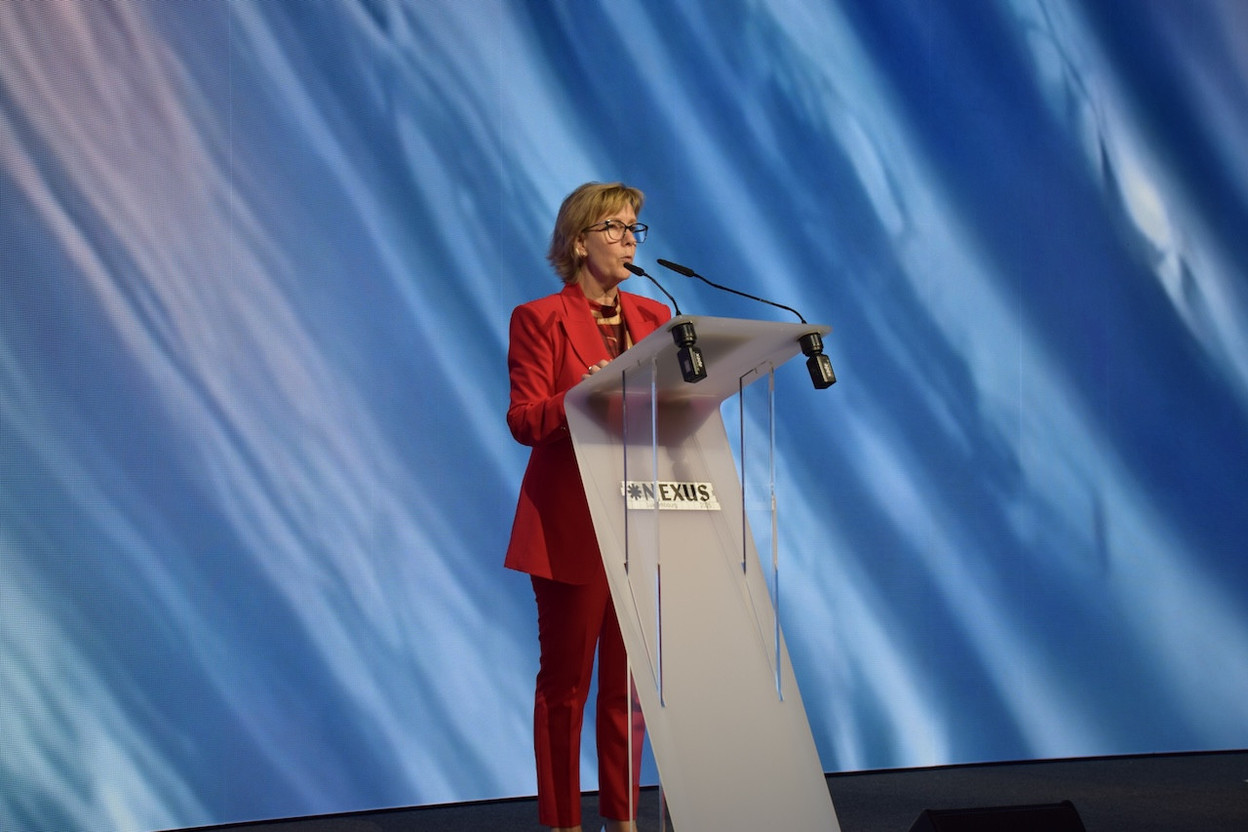
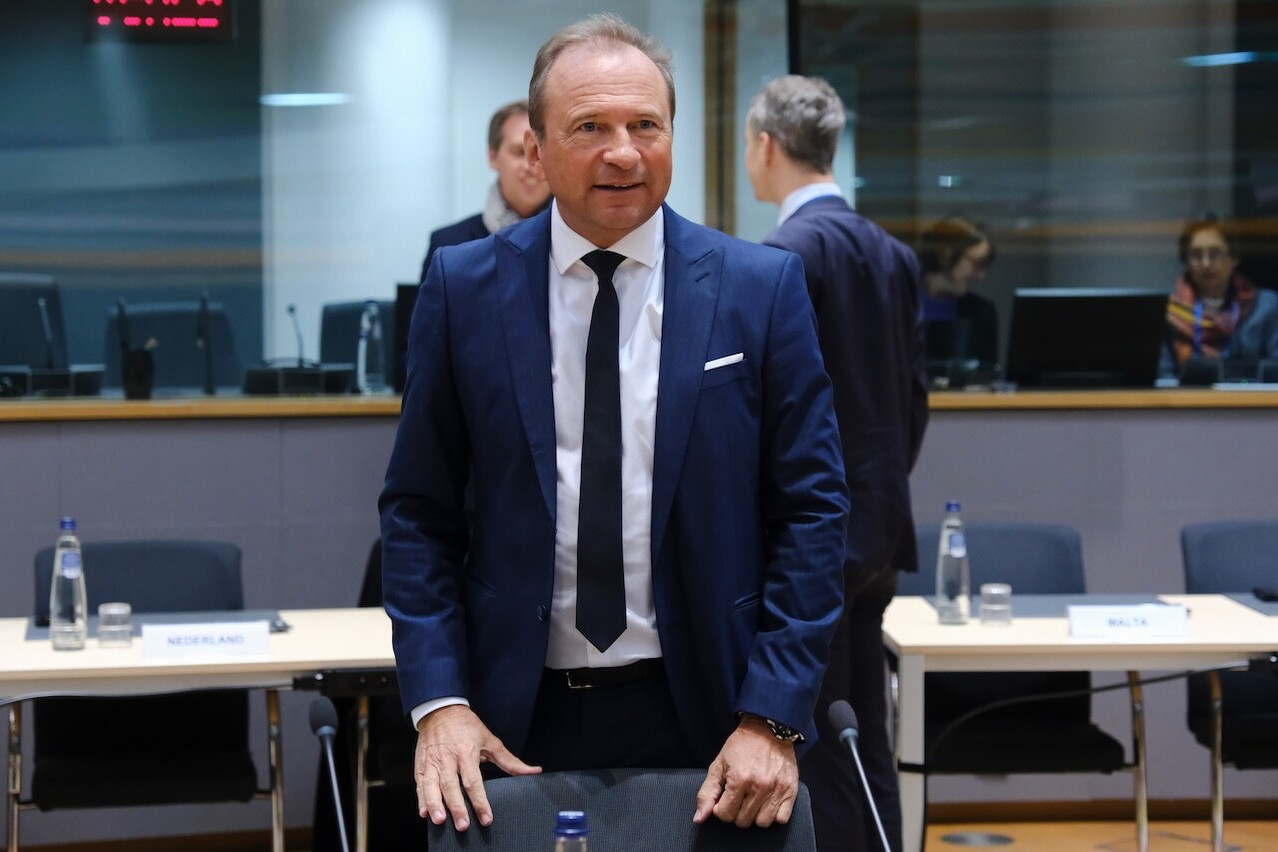
“It is a win-win compromise. We have succeeded in preserving the competitiveness, agility and distinctive characteristics of the European financial markets, whilst strengthening the integration of these markets,” said the Luxembourg Minister for Finance in a statement on Friday evening. This satisfaction reflects the balance championed by Luxembourg: promoting the free movement of capital and the financing of businesses, whilst preserving the strengths of its financial centre. “Luxembourg and Europe need more investment, innovation and growth. This agreement enables us to move forward together. In everyone’s interest,” continued Gilles Roth.
A structured transfer of powers
What does the agreement contain? The package on market integration and supervision, known by the acronym MISP, provides for the European Securities and Markets Authority (Esma) to be given Esma, with direct supervision of the main cross-border trading platforms and the most important post-trade infrastructures, notably clearing houses and central securities depositories. The aim is to reduce the fragmentation of European markets, supervisory divergences and the costs borne by market participants operating in several countries. However, the Council has narrowed the scope of this centralisation.
As regards crypto-asset service providers, only the largest cross-border operators would be immediately affected, whereas the Commission had proposed a general transfer of their supervision to Esma. The criteria applicable to trading platforms have also been revised.
According to the Financial Times, the exemption secured by Berlin for Deutsche Börse – which will remain under national supervision – has raised objections in Luxembourg and Belgium. This asymmetry highlights another key issue in the debate: the conditions under which the various financial centres would transition to European supervision.
National oversight continues to play a role
The compromise also ensures that national authorities retain a long-term role. A new Esma Executive Board would take individual decisions concerning directly supervised market operators. However, a separate Board of Supervisors would retain responsibility for regulatory decisions, strategy, the budget and the convergence of practices.
As far as the CSSF is concerned, the plan therefore provides for continued participation in the European scheme. During a two-year transition period, teams comprising European and national experts would prepare for the handover of responsibilities. Permanent arrangements for cooperation would then take over.
However, this involvement does not mean that national authorities would retain the final say over the entities transferred. Esma would remain responsible for assessments and final decisions concerning operators under its direct supervision.
A custodial passport, as chosen by the States
Another provision of particular significance to the fund industry is the creation of a European custodian passport. This would allow a fund to choose a custodian established in a Member State other than the one in which it is domiciled.
This move is intended to broaden choice and strengthen competition. The Council wishes, however, to make this scheme optional for Member States. It thus retains scope for national decision-making on a measure that could alter the organisation of fund services.
The package also includes measures to streamline procedures for asset managers operating in several European countries and an extension of the pilot scheme for distributed ledger technologies.
These provisions give substance to the compromise praised by Gilles Roth. However, his statement does not set out either Luxembourg’s initial demands or the concessions he is said to have secured personally. Nor does it specify which entities based in the Grand Duchy would come under European supervision.
The European Commission criticises the scaled-back ambition
In Brussels, reservations have been raised regarding the scope of supervision and the governance arrangements adopted. The Commissioner for Financial Services, Maria Luís Albuquerque, believes that the compromise undermines the reform’s ambition. Christine Lagarde has also expressed her concerns.
The disagreement goes to the very heart of the project: how can European supervision be made more effective whilst maintaining a significant level of national involvement? Whilst Gilles Roth sees this as a way of preserving agility and competitiveness, critics fear it will result in a more complex structure.
The economic stakes, however, go beyond the mere distribution of powers amongst supervisory authorities. According to the Council, €10,000bn of European households’ savings are held in low-yield bank deposits. The Savings and Investment Union aims to channel these resources more effectively towards businesses and the real economy.
The compromise reached on 9 October remains a step along the way. It covers the main elements of the Council’s position, which has yet to be finalised and formally adopted. Negotiations with the European Parliament will follow once the Parliament has adopted its position. The balance welcomed by Luxembourg may therefore still change.