Active exchange-traded funds (ETFs), private markets and pension savings offer growth opportunities for European asset managers, but capturing them will require new capabilities and distribution strategies, industry leaders said.
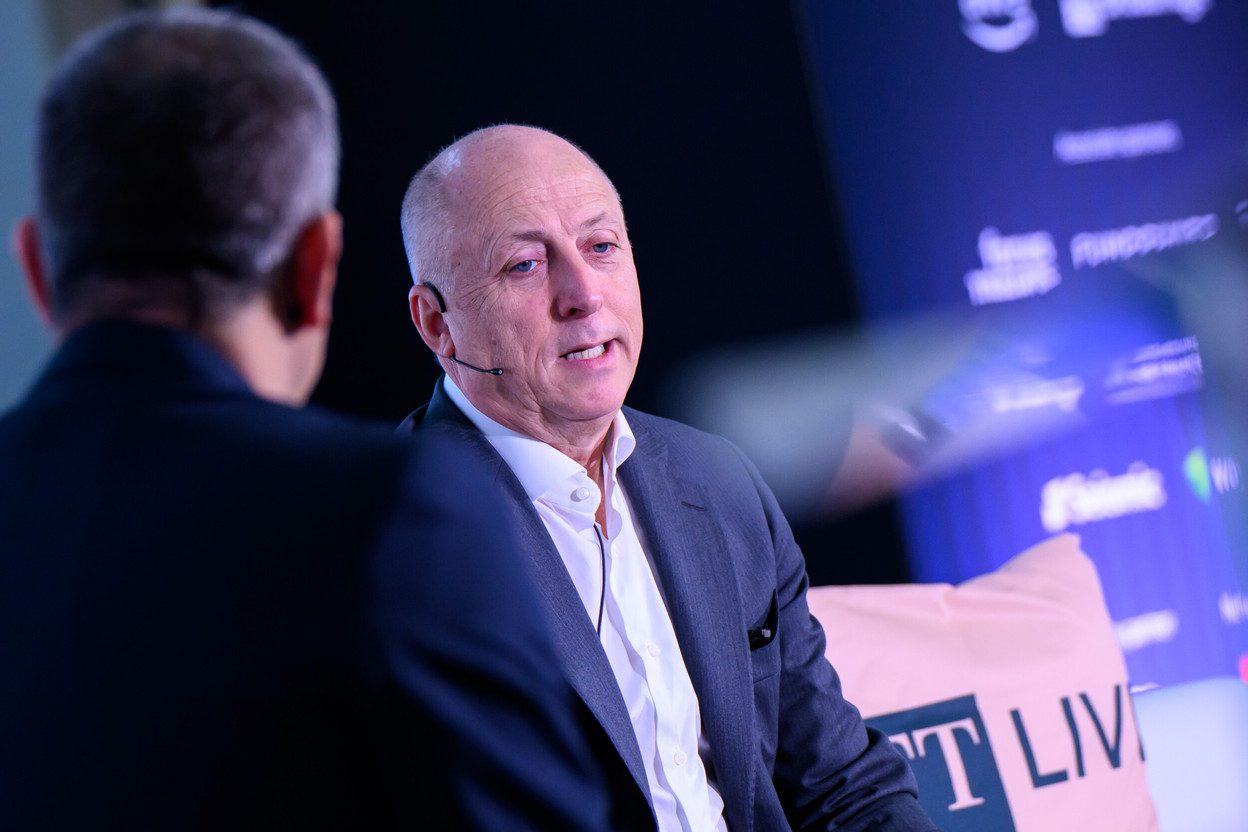
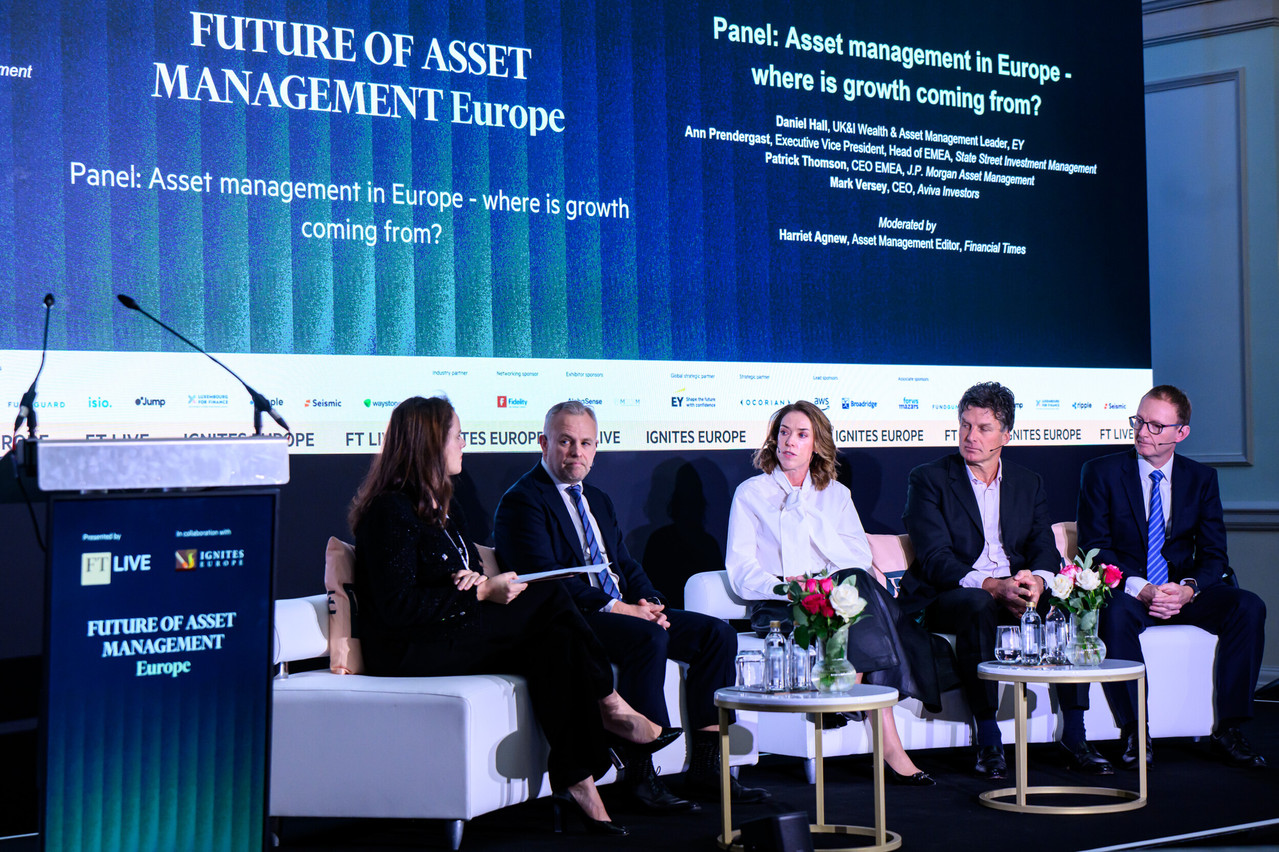
Speaking on the livestreamed panel “Asset management in Europe – where is growth coming from?” at the Future of Asset Management Europe Conference organised by FT Live on 24 November 2026, panellists discussed changing investor demands, strategic partnerships and the potential impact of tokenisation and autonomous AI agents.
Institutional investors are consolidating relationships with fewer managers as they seek resilience and efficiency, said Ann Prendergast, executive vice president and head of EMEA at State Street Investment Management. At the same time, expanding wealth and defined contribution pensions are creating opportunities to attract assets.
The rapid rise of active exchange-traded funds
Active ETFs accounted for 13% of US ETF assets, compared with 3.4% in Europe, according to figures cited by Prendergast.
Demand is also expected to increase. Nearly 70% of European wealth managers surveyed by State Street anticipated increasing their active ETF allocations over the next three to five years.
“Many active ETFs are shy active,” said Mark Versey, CEO of Aviva Investors. He suggested that strategies taking more pronounced active positions could offer a greater opportunity.
Panellists highlighted active fixed income ETFs as a way to avoid the concentration in heavily indebted issuers found in debt-weighted indices.
Private assets eye a bigger share of investor portfolios
Private assets offer significant growth potential, with European volumes expected to double over the next five years, according to Daniel Hall, UK&I wealth and asset management leader at EY, commenting on a study by his firm.
Sovereign wealth funds have increased their allocations to private assets from 25% in 2020 to 29% today, while 57% of insurers and DC pension funds plan further increases, according to surveys by SSIM and Aviva, respectively.
Capital is concentrating in infrastructure equity, debt and corporate loans, fuelled by digital and energy shifts. The EU Commission estimates €600bn in annual investment is needed over 15 years to bridge grid gaps, noted Versey.
However, widening access to private markets will require investor education and transparent disclosures, panellists said.
Strategic partnerships versus in-house scale
Managers seeking to expand into private markets face a choice between building capabilities, acquiring specialist firms and forming partnerships.
Established specialists bring expertise and track records that can be costly and difficult to replicate, Hall said. Acquisitions and partnerships can combine those capabilities with asset managers’ client relationships and distribution networks.
Integration remains a challenge. Patrick Thomson, chief executive for EMEA at J.P. Morgan Asset Management, said compensation structures, culture and values at private asset firms do not always align with those of public market businesses. The asset manager favours developing private market capabilities in-house, Thomson said.
State Street Investment Management, meanwhile, provides ETF-as-a-service infrastructure to third parties, illustrating how managers can use partnerships to extend their offerings.
Versey said Aviva was deploying part of its pension premium inflows (over £1bn monthly) into private asset co-investments.
AI and tokenisation reshape distribution
Technology could create opportunities for smaller managers with strong data architecture to compete with larger firms, Hall said.
Versey discussed how tokenisation, digital wallets and autonomous AI agents could change the way investors access funds. He suggested that agents could eventually evaluate products and execute transactions for retail investors, making machine-readable product information increasingly important.
Aviva Investors has also announced a partnership with Ripple to explore tokenising traditional fund structures.
“We’re looking to rethink the manufacturing, the distribution and the settlement of all fund structures in our systems,” Versey said.
Thomson highlighted that marketing teams must engage younger audiences on the importance of saving and investing, using gamification and other interactive techniques to spark interest and encourage them to put money aside for the future.
Turning savings into investment
European household savings and UK pensions represent further opportunities for asset managers, panellists said.
Prendergast cited roughly €13trn held in European cash deposits, describing the challenge as encouraging investment rather than saving. She noted that regular savings accounts reached 15m in Germany, proving fractional investing fosters investment habits.
Panellists discussed German pension reforms influenced by Sweden’s approach. They called for predictable government policy, greater tax certainty and simpler infrastructure permitting to help translate available savings into investment.