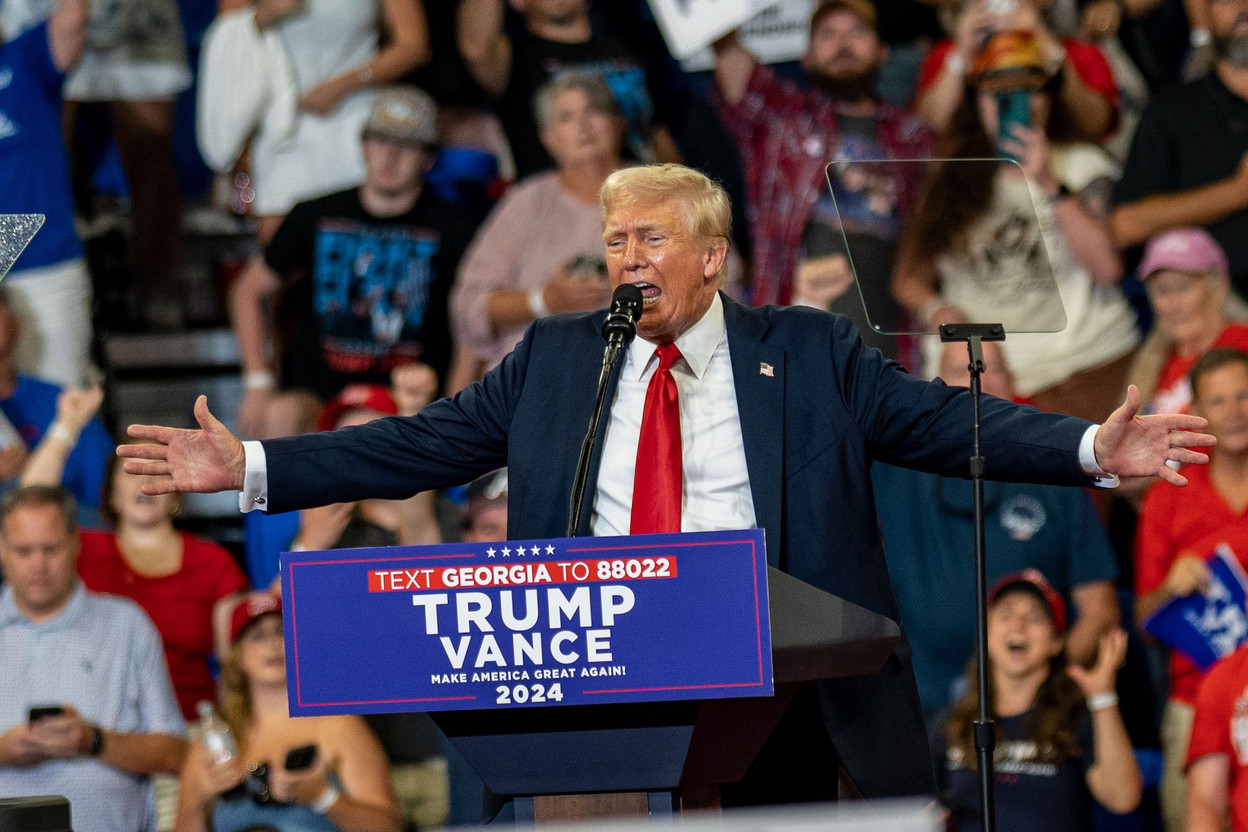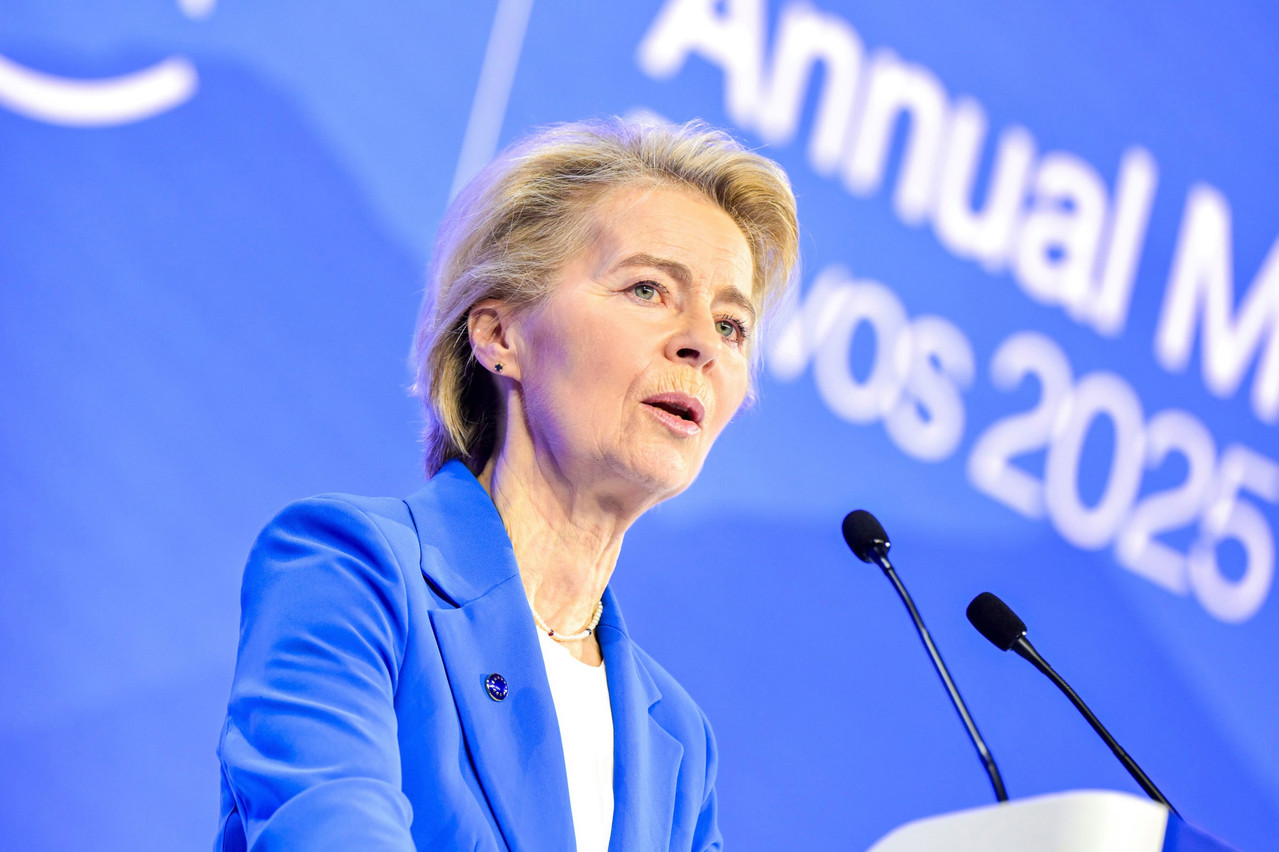
On his first day, on Monday 20 January 2025, as the 47th president of the United States, Donald Trump signed ‘America First’ trade policy executive order and continued his tariff rhetoric, threatening to impose tariffs of up to 25 per cent on imports from Canada and Mexico, effective as early as 1 February. The next day, in a special address at the World Economic Forum, European Commission president Ursula von der Leyen warned that, with “global trade barriers tripling in value” in 2024, “we have [now] entered a new era of harsh geostrategic competition.”
She further stated, “In the last 25 years, Europe has relied on the rising tide of global trade to drive its growth. It has relied on cheap energy from Russia. And Europe has too often outsourced its own security. But those days are gone.”
Von der Leyen’s remarks come at a time when global relations are being reshaped by increasing protectionism, as countries strive to assert dominance in key sectors like technology, clean energy, and artificial intelligence. Her speech emphasised that Europe must recalibrate its approach to global affairs, shifting from dependence on others to a focus on self-reliance, resilience and innovation. As international relations are increasingly defined by trade tariffs and geopolitical power struggles, Europe finds itself at a crossroads, needing to adapt to the evolving landscape of global trade while safeguarding its values and economic interests.
China
One of the most significant points von der Leyen made was the rise of non-market economies, particularly China’s state-supported overcapacity, which is disrupting global trade flows. In response, Europe has been implementing defensive trade measures, including adjustments in sectors like electric cars, where market distortions are particularly apparent. She stressed the need for a balance between economic protectionism and global collaboration, particularly in areas such as clean tech, digital infrastructure, and the fight against climate change. “It is in no one’s interest to break the bonds in the global economy,” von der Leyen remarked. “Rather, we need to modernise the rules to sustain our ability to produce mutual gain for our citizens.”
India
A key point of von der Leyen’s address was Europe’s strategic shift toward forging stronger partnerships with emerging economies, particularly in the Asia-Pacific region. Her announcement that her first trip as commission president would be to India highlights Europe’s commitment to strengthening ties with the world’s largest democracy. “Together with [India’s] prime minister [Narendra] Modi, we want to upgrade the strategic partnership with the largest country and democracy in the world,” she said, underscoring India’s importance as a vital partner for Europe’s future. This move reflects commission’s broader strategy to cultivate diverse global partnerships, reducing dependence on a select few and fostering cooperation based on mutual benefit--especially in sectors like cleantech and digital infrastructure.
However, von der Leyen made it clear that Europe is ready to continue engaging with China, despite the challenges posed by the country’s economic imbalances. “We are ready to continue our discussions,” she said, emphasising that Europe’s approach remains one of cooperation, not confrontation, while insisting on fair and reciprocal trade relationships. She reminded though, “With Europe, what you see is what you get. We play by the rules. Our deals have no hidden strings attached.”
Europe’s economic future
“We have everything it takes to succeed,” von der Leyen asserted. “We have a top-class workforce, a huge single market of 450m people and a long tradition of innovation.” The European Commission is set to unveil a roadmap next week, focusing on boosting productivity, fostering decarbonisation, overcoming skills and labour shortages, and reducing red tape. These efforts are part of a broader strategy to ensure that Europe remains competitive in the global economy while prioritising sustainability and fairness.
The commission’s push to update its economic policies also includes the creation of a European savings and investments union, designed to better mobilise capital for innovation and the clean-tech sector. “We do not lack capital. We lack an efficient capital market that turns savings into investments,” von der Leyen explained, stressing the importance of streamlining Europe’s financial systems to support technological innovation and economic growth.
As global trade barriers rise and geopolitical tensions intensify, the European Commission is recalibrating its approach. By prioritising innovation and energy independence, Europe is gradually shifting its focus towards emerging markets, especially in Asia, positioning these regions to benefit as Europe redefines its global strategy and moves beyond traditional alliances.