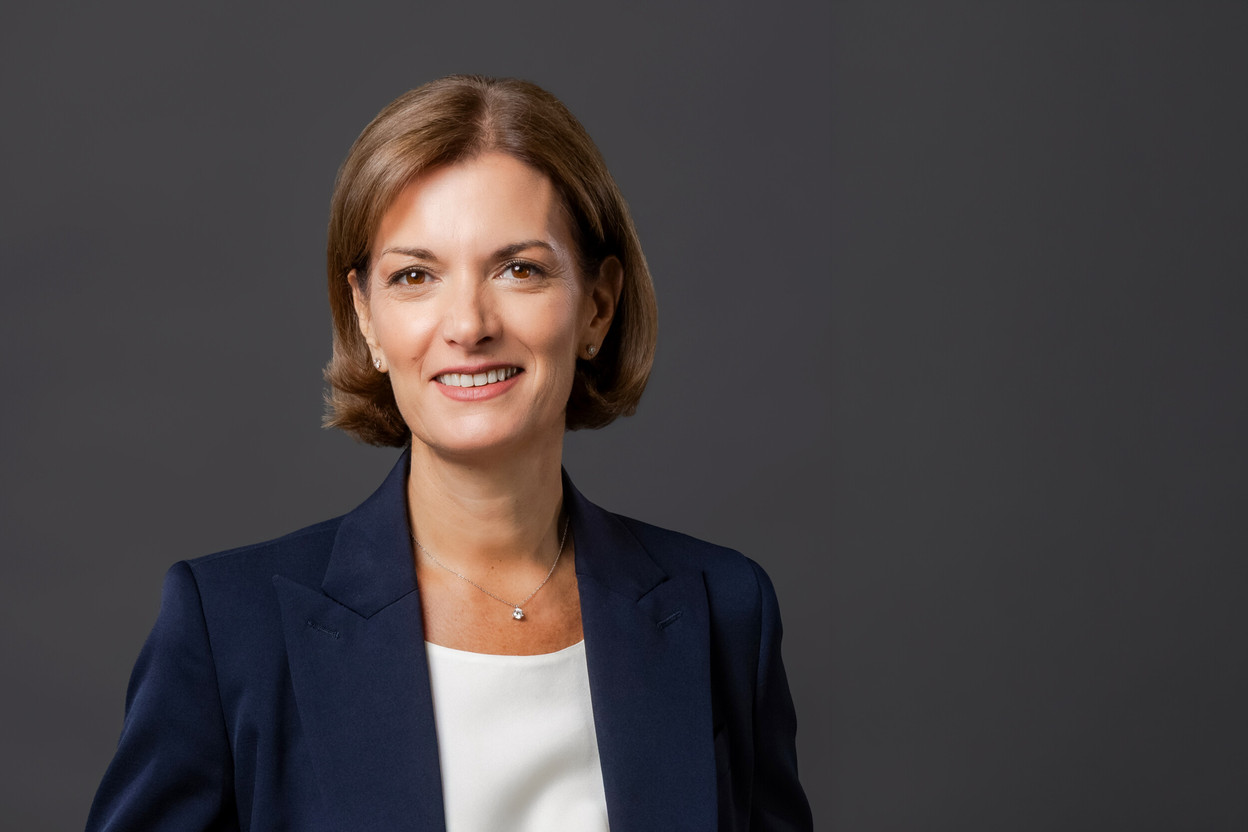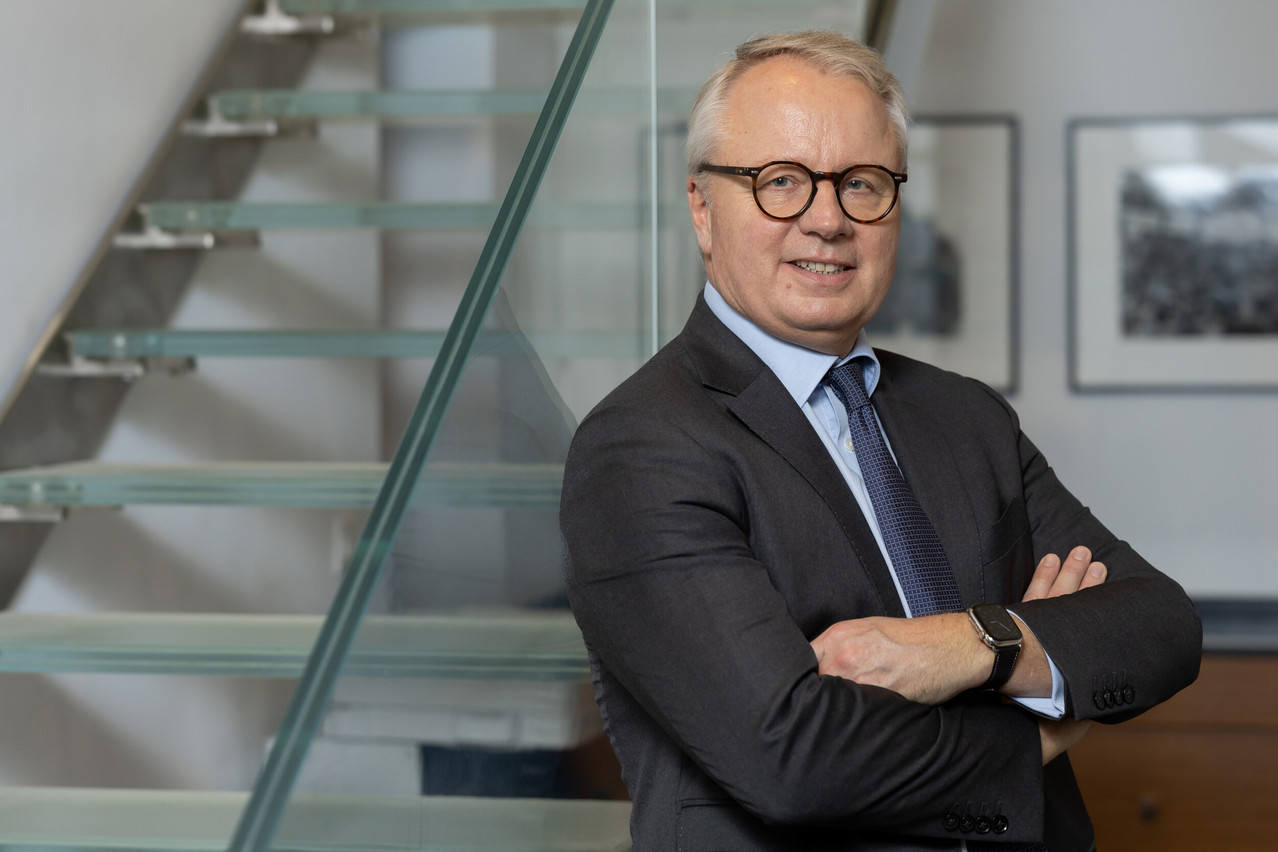
Europe’s private equity market may be entering a more favourable investment cycle, but one structural challenge continues to weigh on the industry: the lack of liquidity. For Edouard Boscher, head of private equity at Carmignac, the issue is not necessarily the financial health of portfolio companies. Rather, it is the growing amount of time required to generate returns and return capital to investors.
“Before the rise in interest rates, companies were typically held in private equity portfolios for around four years. Today, we are looking at six to seven years,” he explains. The shift reflects the consequences of higher financing costs since 2022, following a period during which many companies were acquired at elevated valuations.
As a result, fund managers need more time to create sufficient value before exiting their investments. According to figures cited by Edouard Boscher, annual distributions by private equity funds averaged between 20% and 30% of invested assets between 2011 and 2021. Since 2022, that proportion has fallen to approximately 10% to 15%.
This decline has significant implications for an industry whose fundraising model has historically taken into account limited partners using distributions from existing fund commitments to recommit to successor funds.
Fundraising reaches a breaking point
For institutional investors, private equity has traditionally operated through closed-ended funds. Investors commit capital, which managers progressively call as investment opportunities arise. Proceeds from exits are subsequently distributed and can be reinvested in new funds. But this mechanism is becoming increasingly strained.
Institutional investors have generally reached their target allocations to private equity, Edouard Boscher observes. Without distributions from existing portfolios, their ability to commit fresh capital is limited. “If there are no distributions, there will be no new investments,” he says. The pressure is particularly acute for managers attempting to raise successive fund vintages without having returned sufficient capital from previous ones.
Edouard Boscher describes situations in which managers have returned only around 30% to 35% of capital from an earlier fund generation, nothing from the following generation, and are already seeking commitments for a third.”That can work once, but it won’t work twice,” he warns.
The consequences could be significant for smaller managers, particularly in a fundraising environment increasingly concentrated around larger and more established platforms. Strong reported performance alone may no longer be enough to convince investors. “It’s not just about paper performance. Managers need to have actually returned money to their investors.”
For Edouard Boscher, this marks a fundamental change in the industry’s balance of power. The ability to generate cash distributions, measured through the distribution to paid-in capital ratio (DPI), is becoming an increasingly important indicator of a manager’s financial credibility.
Secondaries benefit from the liquidity squeeze
While the slowdown in distributions creates difficulties for traditional private equity funds, it also generates opportunities for investors specialising in secondary transactions. Rather than investing in newly established funds, secondary investors acquire existing fund interests or portfolios from investors seeking liquidity. Carmignac has made this segment a central pillar of its private equity strategy, working with specialist partner Clipway.
The rationale is straightforward: as institutional investors rebalance their portfolios or seek to recover capital or crystalise returns, secondary buyers can acquire established portfolios, sometimes at discounts to their reported net asset value. These transactions also offer greater visibility over the underlying investments compared with committing capital to a new fund.
Edouard Boscher believes the current environment remains particularly favourable for secondary investors. “We are buying assets at discounts today, and there is no reason for that to stop, given the pressure to sell – it is still very much a buyers’ market.”
He also points to the use of deferred payments, which allow buyers to agree on a transaction price while settling part of the payment at a later date. Such arrangements can serve to reduce the bid-ask spread, helping the buyer and seller agree on an agreed price, although they require careful management of future cash obligations.
According to Edouard Boscher, the secondary market currently represents only around 2.5% of the private equity market, leaving considerable scope for further development as the overall asset class continues to mature and expand.
Carmignac’s own experience illustrates the importance of portfolio diversity and maturity. Its first evergreen private equity strategy, launched approximately two and a half years ago, provides exposure to more than 1,200 underlying companies.
Edouard Boscher says the strategy has received distributions equivalent to just under 30% of the capital invested since inception, significantly above the current market average of 10–15% cited earlier. He considers this a sign that the portfolio is sufficiently mature to generate cash flows despite the broader slowdown in distributions.
Evergreen funds confront the liquidity paradox
The growing popularity of evergreen structures is also changing how private equity is distributed. Unlike traditional closed-ended vehicles, evergreen funds generally allow subscriptions on an ongoing basis and provide periodic redemption opportunities, subject to the fund’s liquidity arrangements. For asset managers, these structures represent a way to reach private investors who have historically had limited access and exposure to private equity.
Edouard Boscher estimates that private clients currently allocate around 1% of their portfolios to the asset class, compared with significantly higher allocations among institutional investors. But the expansion of evergreen funds introduces a fundamental challenge: reconciling the long-term nature of private equity investments with investors’ expectations of periodic liquidity.
Edouard Boscher stresses that greater flexibility does not change the underlying investment horizon. “We are not turning a long-term asset into a short-term asset.” Carmignac addresses this challenge partly through portfolio construction. Boscher describes an allocation comprising approximately 75% LP-led secondary investments, complemented by around 15% in direct co-investments and GP-led transactions.
The remaining liquidity buffer is designed to help meet redemption requests. He explains that the strategy is structured around a quarterly liquidity mechanism which guarantees at least 5% of the fund, in the worst-case scenario where the gates are activated, while maintaining a cash allocation of approximately 10%.
However, the sustainability of this model depends on the ability of the underlying portfolio to continue generating distributions. “If you have 10% in cash, you can cover two quarters should the gates be activated. But if the portfolio doesn’t generate liquidity afterwards, you might have to resort to selling assets.”
This is why Carmignac favours relatively mature secondary portfolios, which are expected to generate distributions sooner than newly acquired companies. The distinction remains essential for retail investors: redemption windows provide a degree of flexibility, but they do not eliminate the risks associated with illiquid assets.
Eltif rules raise questions over diversification
Edouard Boscher is broadly supportive of the European Union’s efforts to expand retail access to private markets through the revised European Long-Term Investment Fund framework, known as Eltif 2.0. However, he questions whether some of the restrictions applicable to Carmignac’s retail strategy achieve their intended objective.
According to Edouard Boscher, the European investment constraints applied to the strategy reduce the universe of eligible secondary transactions, making it more difficult to build a portfolio as geographically diversified as the group’s professional-investor offering. This is particularly challenging for secondary investors because portfolios frequently contain companies across several jurisdictions. For him, the resulting concentration raises questions about investor protection.
“Ultimately, a product designed for retail investors could end up riskier than the one we offer to more sophisticated clients.” He argues that greater flexibility would help address this issue, suggesting that an evergreen Eltif could be permitted to allocate up to 20% of its assets outside Europe. In his view, this would preserve the European focus of the investment strategy while allowing a more diversified portfolio.
His comments highlight a broader debate surrounding the democratisation of private markets: expanding access to an illiquid asset class requires not only suitable distribution vehicles, but also careful consideration of diversification, valuation and redemption risks.
Luxembourg’s role in a fragmented European market
For Luxembourg, the development of evergreen funds and ELTIF structures could reinforce its position as a European centre for private asset management and cross-border fund distribution. Edouard Boscher nevertheless identifies persistent regulatory and tax fragmentation as an obstacle to the emergence of a genuinely integrated European investment market.
Although investment funds can benefit from European passporting arrangements, national rules and market-specific requirements continue to complicate distribution. He cites the French life insurance market and the tax treatment of investment vehicles in Spain as examples of national constraints that can influence the choice of fund domicile.
Such differences can oblige asset managers to establish separate structures for individual markets rather than relying on a single European vehicle. He hopes that greater regulatory convergence will eventually simplify cross-border distribution. For Luxembourg, this could strengthen the appeal of fund structures designed to serve investors across multiple European jurisdictions.
Europe retains an opportunity
Despite the industry’s liquidity challenges, Edouard Boscher remains optimistic about European private equity. Carmignac’s analysis with Clipway suggests that European portfolio companies have continued to deliver solid operating performance, with Ebitda growth of around 10% and margins close to 20%, broadly comparable to or slightly above those observed in the United States.
For him, this indicates that the slowdown in exits should not be confused with a deterioration in the underlying businesses. He also believes that the exceptional performance of listed equities in recent years has made private equity relatively less attractive to some investors, despite its potential role in long-term portfolio diversification.
The opportunity, he argues, lies in combining disciplined valuations with a long-term investment horizon and an ability to provide liquidity when other market participants need it. As private equity managers face growing demands for cash distributions, the industry may increasingly distinguish between those able to demonstrate realised returns and those still relying indefinitely on unrealised paper valuations. For secondary investors, this structural shift could create opportunities well beyond the current cycle.