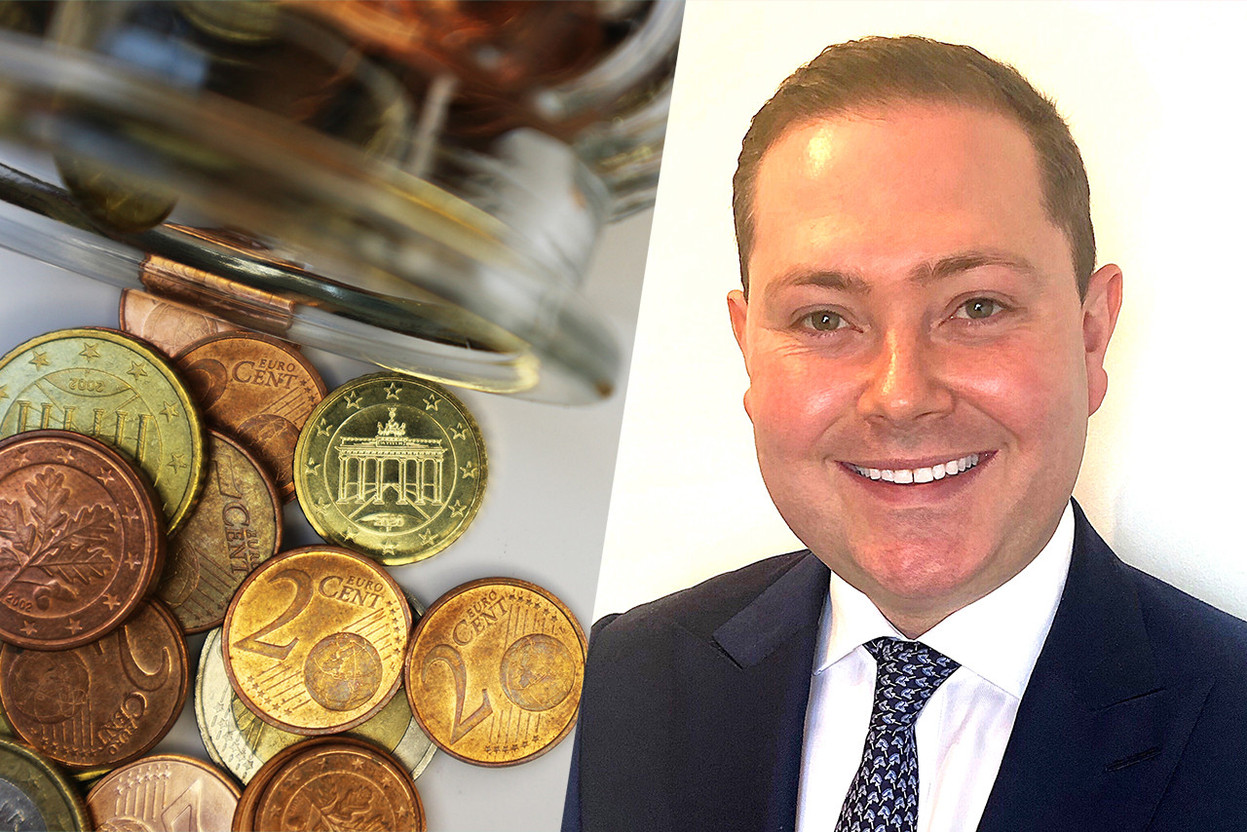
After 2008 and the Lehmann Brothers crisis, the markets changed, said Pascal Gilbert, senior fund manager at DNCA Finance, during a presentation on 1 February 2024 in Luxembourg. On a macro level, people were losing their jobs, consumer demand dropped, central banks cut interest rates to help the economy, and--thanks to globalisation--there was an “excess in offer.”
There was the impression that natural resources were inexhaustible (the Americans had dug around and were exploiting “pétrole de schist,” or tight oil), labour and primary materials were readily attainable, and “power was on the side of the side of businesses.”
The covid-19 pandemic accelerated a “big change,” said Gilbert. There was no longer enough labour--qualified and unqualified--and a phenomenon of “deglobalisation” appeared, with countries wishing to bring the production of essential supplies (like medications or batteries) closer to home or to secure their energy supply. Now, argued Gilbert, the situation in the bond market has returned to a more “normal” state of affairs.
“Sluggish” recovery
The firm, in its presentation, said that its main scenario for the year is a “sluggish and constrained recovery” marked by the continuation of labour shortages in G7 countries. It expects factors like deglobalisation, protectionism and an aging population to slow down growth, and noted that replacing fossil fuels--to tackle climate change--can be difficult and expensive.
Banks are being more “cautious” when granting loans, while “financial markets have already factored in potential rate cuts.”
For Gilbert, the European Central Bank will decrease interest rates by 100 basis points--the ECB’s main refinancing operations rate currently stands at 4.5%--then stop and re-evaluate the situation. “They want to know, to understand how the economy is after 100bp of cuts,” he said.
Real estate market
“There is a lack of housing everywhere in the developed world,” continued Gilbert. “There’s an accumulation of demand. It’s not like in 2008, where there was a lot of real estate available to sell. Now, there’s nothing. It’s too expensive.” The context is different, he said. “We have a supply shock.”
In Luxembourg, housing and real estate issues are well-known, with high prices for land and lodging, strict lending conditions and a construction sector officially in a state of crisis.
Read also
A slowdown in construction and the difficulties faced by the real estate market were therefore additional factors expected to weigh on growth, which Gilbert anticipated would be “small.” DNCA noted in its presentation that it expected growth of 0.8% in Europe in 2024.
Risks to watch: social unrest and climate change
DNCA also stated in its presentation that the extension of armed conflicts, uncertainty in American politics, and social and environmental risks pose challenges and “risks of rupture.”
Gilbert highlighted two that he considered to be “main risks”: social unrest and climate change. But these are also linked to inflation, he argued. If “you have a problem with climate risk, you have inflation. You have war--it’s inflationist.”
Risks of “higher and more unstable inflation remain in the medium/long term,” said DNCA.