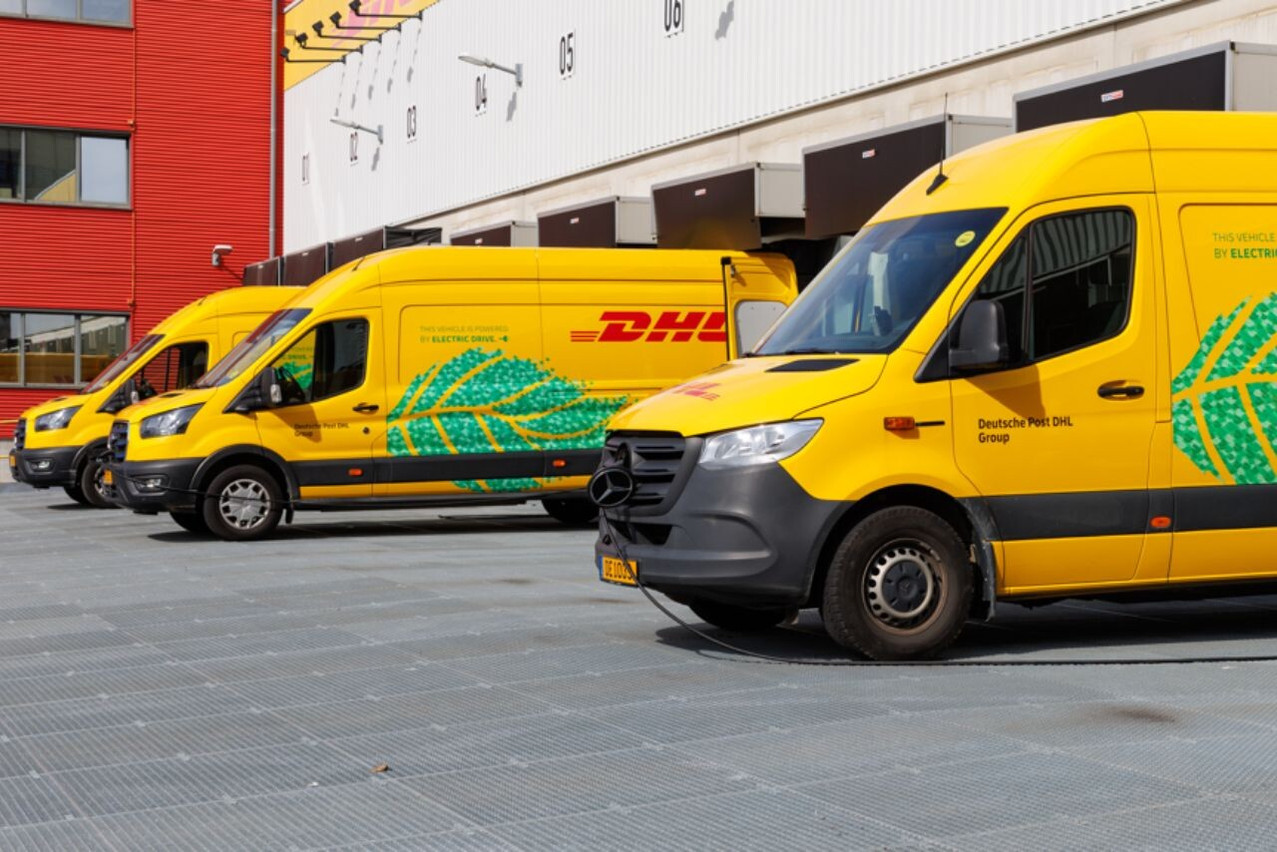
Contern, Luxembourg, 28 September 2026: DHL Express, the world leader in international express delivery services, has announced a price adjustment with effect from 1 January 2027. In Luxembourg, the average increase will be 4,9%.
“International trade continues to offer new opportunities for businesses, whilst supply chains are becoming increasingly interconnected and complex,” says François Remogna, Country Manager, DHL Express Luxembourg. “We remain committed to supporting our customers in this constantly evolving environment by investing in our global network, our digital capabilities, our security infrastructure and our sustainable logistics solutions. This annual adjustment enables us to maintain the level of service and reliability our customers expect, whilst strengthening the resilience of our operations.”
DHL Express adjusts its rates annually to take account of inflation, currency fluctuations and changes in industry costs. Operating in more than 220 countries and territories, the company is also affected by developments in global markets, energy costs, regulatory requirements and pressures on labour markets.
DHL Express continues to invest in its infrastructure, the modernisation of its fleet, its digital capabilities and the resilience of its operations. Recent achievements include the completion of deliveries of its fleet of 28 Boeing 777 freighters, the introduction of more fuel-efficient aircraft and the modernisation of its infrastructure worldwide.
Security also remains a priority, with more than 500 TAPA-certified sites worldwide by 2026. At the same time, DHL Express is strengthening its IT technologies and infrastructure to improve cyber security, shipment visibility and operational efficiency. Digital solutions, particularly features incorporating artificial intelligence and the roll-out of the MyExpress platform, are helping to simplify international shipments.
Sustainability remains at the heart of DHL Express’s investments, particularly through the development of Sustainable Aviation Fuel (SAF), electric vehicles, a more fuel-efficient fleet and carbon-neutral infrastructure.