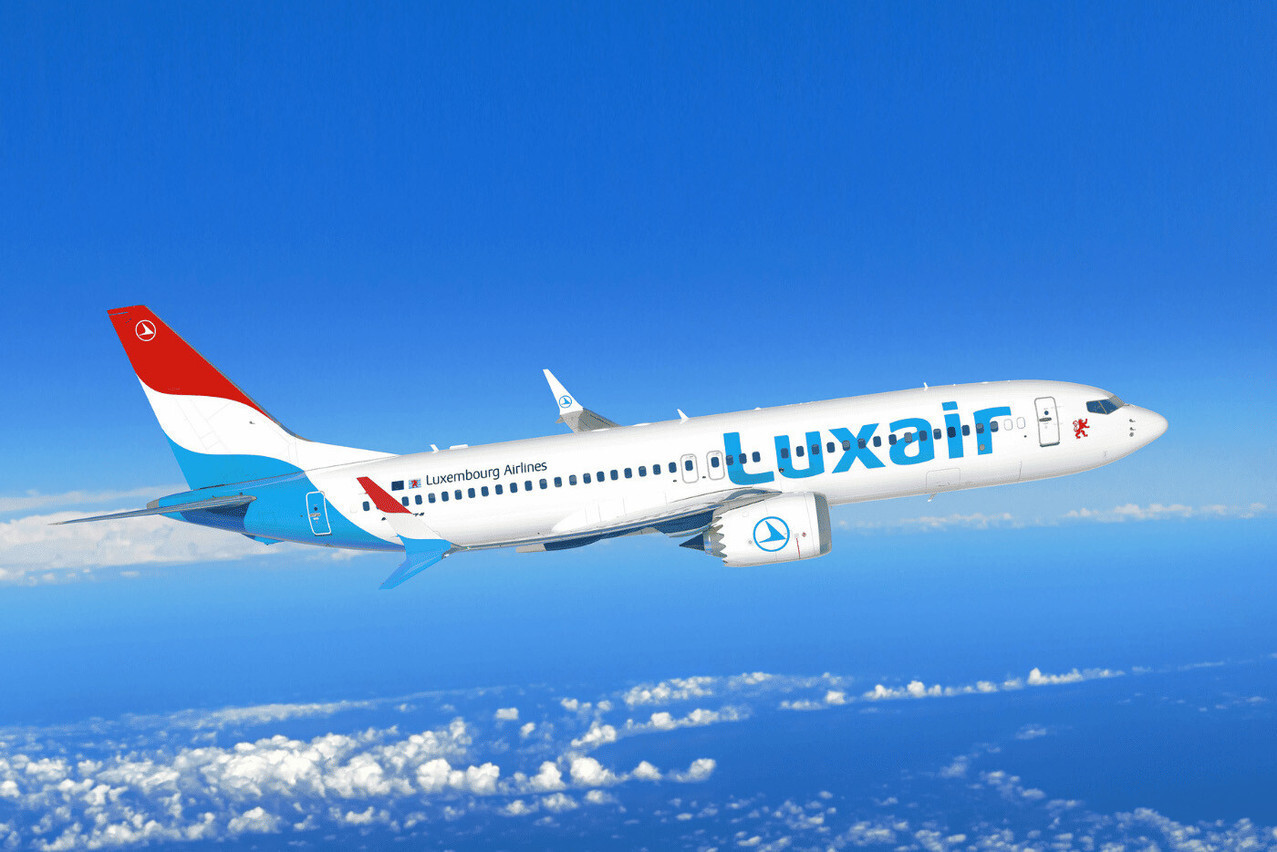
For several months now, Luxair’s delays, cancellations and operational incidents have been a hot topic of discussion among travellers and in the media. In a parliamentary question addressed to the minister for Mobility and Public Works, the CSV MP 


According to figures released by Luxair, the situation has actually improved. Between November 2025 and April 2026, the airline cancelled 154 flights out of more than 13,100 operated, representing a rate of 1.17%, compared with 1.26% a year earlier. However, relative to the number of passengers carried, the proportion of passengers affected rose to 1.44%, compared with 0.94% in the previous period.
The airline acknowledges, however, that disruptions do occur and that they are particularly noticeable in a market where punctuality is a key criterion. Luxair attributes these difficulties to a combination of factors: European air traffic control constraints, weather conditions, strikes, geopolitical restrictions, as well as occasional technical issues. The airline points out that Luxembourg operates at the heart of one of Europe’s most congested airspaces, which automatically increases its exposure to the vagaries of continental traffic.
The impact on reputation
In response to the criticism, Luxair has outlined a series of measures designed to improve its operational performance. The airline states that it has increased its reserve capacity, optimised its crew schedules, modernised its maintenance processes and reviewed the organisation of its rotations to prevent delays from spreading throughout the day. The gradual arrival of Boeing 737-8 and Embraer E2 is also presented as a key factor in reducing technical incidents and improving the reliability of the flight programme.
When it comes to the customer experience, the airline ensures that it continuously monitors satisfaction indicators relating to in-flight service, check-in, boarding and baggage handling. Passengers affected by cancellations are now automatically notified by text message or email and can be rebooked onto other flights or, in some cases, receive personalised support.
Beyond operational indicators, the parliamentary question touches on a more sensitive issue: the potential impact of Luxair’s difficulties on Luxembourg’s reputation. Stéphanie Weydert points out that the airline has long been one of the country’s main ambassadors and questions the consequences of repeated incidents for business travellers, tourism and the Grand Duchy’s financial appeal.
On this point, Yuriko Backes rejects any alarmist interpretation. The minister points out that the problems faced by Luxair are comparable to those faced by many European airlines. Above all, she emphasises the investments that have been made, both in renewing the fleet and in developing Findel Airport. The master plan presented recently includes, in particular, the expansion of the terminals, a new control tower and improved infrastructure for freight and business travel.


