In general, Europeans thought that defence and security was at the forefront of items the EU should work on. For Luxembourg--which strongly depends on the energy import--dealing with this issue came first, as 34% of participants agreed. Defence came second (33%) for Luxembourg residents, followed by climate change and environmental issues (26%).
Luxembourgers tended to agree that the EU needed a common defence and security policy--86% were in favour compared to 81% Europeans. While members of the grand duchy also agreed a stronger cooperation in defence matters should be encouraged (89% against 85% on an EU level), they were also less keen to spend more money on defence in the EU.
The country spends only around 0.6% of GDP on defence, well below a 2% pledge made by Nato countries in 2014, though the government announced it was looking to increase its military spending.
Economic impact, nuclear attacks and climate change
The biggest fear Luxembourgers have regarding the war is that it would spread to other countries in Europe (50%) or that it could result in the use of nuclear weapons (39%). They were also more worried than the average European when it came to the supply of energy and goods (19%), which aligns with the country’s wish to push energy independence to the front of the agenda.
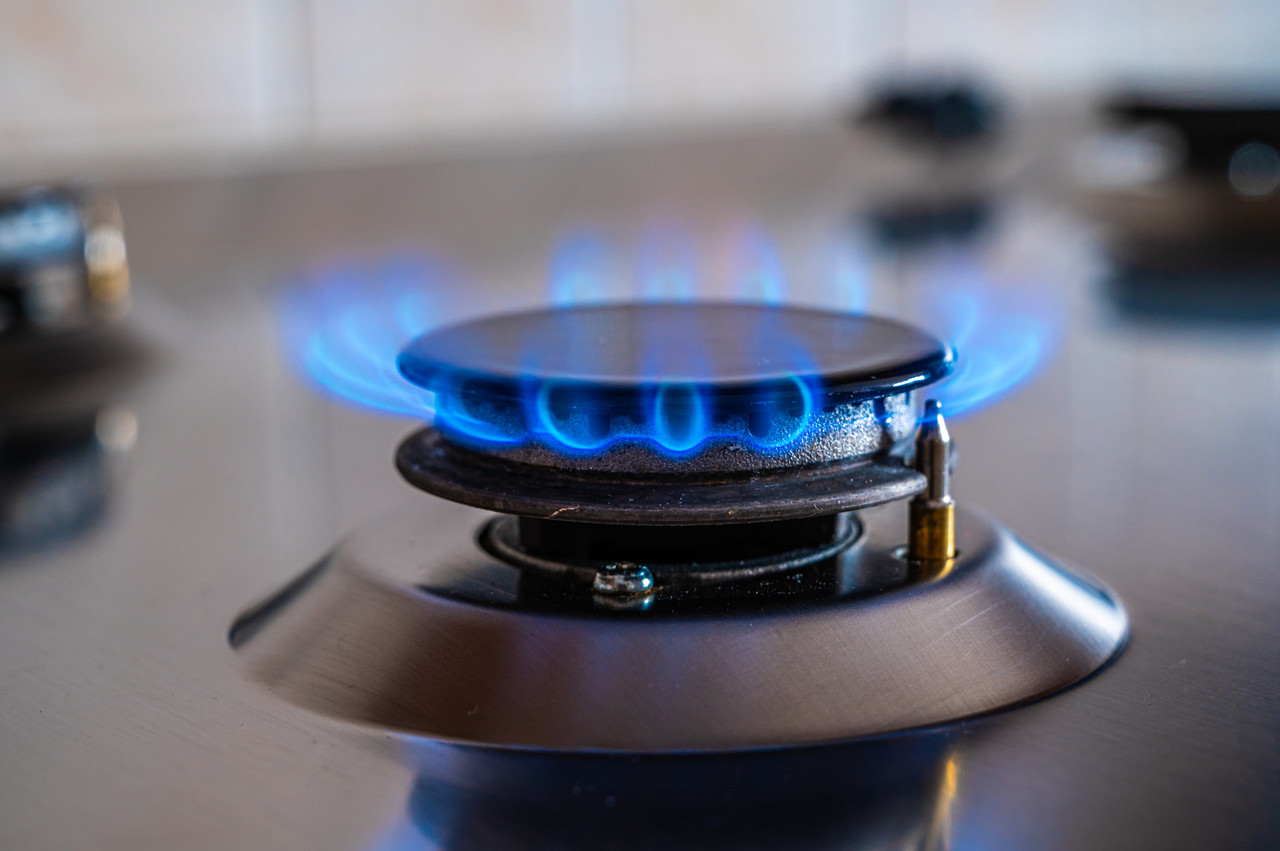
In fact, 91% of Luxembourg nationals agreed that the EU should reduce its dependency on Russian energy sources, a judgement that remained in the 80-90% range regardless of age, education and financial comfort.
Climate change and its impacts also weigh on the mind of participants, with 51% of Luxembourgers recognizing that climate change could harm the economy. 88% believe that tackling climate change would improve the health of residents, and that taking action would improve future chances (86%). Some 90% even agreed that climate action could create new job, investment and innovation opportunities.
The EU should therefore “massively invest” in renewable energies and energy efficient infrastructures--a claim that most local participants supported.